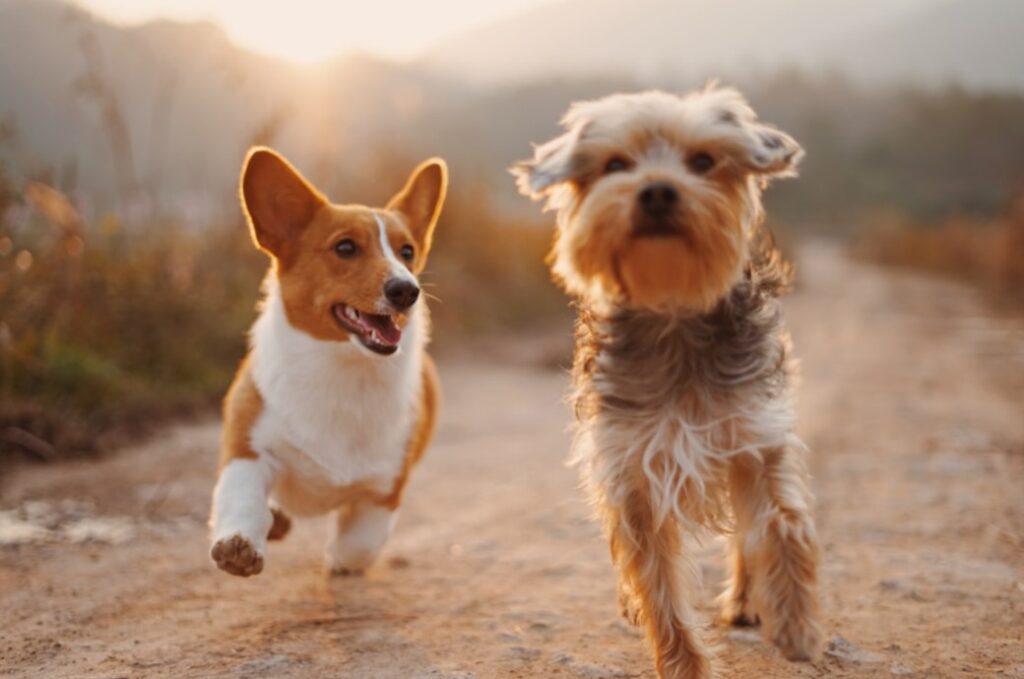
If you’ve ever watched a hyper dog zoom around the house like a furry tornado — or you’ve felt guilty watching your pup stare longingly at the window while the wind blows sideways — you’re not alone.
Dogs have energy, enthusiasm, and often nowhere productive to put it.
That’s exactly where an indoor dog obstacle course transforms from a fun idea into a game-changing tool for mental and physical exercise.
But let me be clear: we’re not talking about a chaotic jumble of boxes. We’re talking purposeful design + smart training + joyful engagement. Done right, an indoor obstacle course can:
- Sharpen focus
- Boost confidence
- Strengthen coordination
- Reduce boredom behaviors
- Enhance the bond between you and your dog
Let’s walk through how to do it — in a way that’s practical, safe, and actually fun for both of you.
What Makes a Great Obstacle Course for Dogs?
A good indoor course isn’t just random things scattered on the floor. It’s a thoughtfully designed layout of challenges that are stimulating but achievable. Think of it like a kiddie playground calibrated for paws, not feet.
A well-balanced course includes:
- Jumps (low, adjustable)
- Tunnels
- Weave poles or markers
- Platforms or balance objects
- Pause stations
Each element targets a different skill: jumping builds body awareness, tunnels enhance confidence, weaves improve coordination, and platforms boost patience and focus.
And the best part? Most of these can be crafted from household items — no expensive gear required.

Essential Equipment You Can Use (or Build)
Here’s how to create the core pieces without blowing your budget:
1. DIY Jumps
- Use broomsticks or PVC pipe set on stacks of sturdy books
- Adjust height as your dog improves
- Never exceed safe jump limits based on size/age
2. Tunnels
- Kids’ play tunnels work great
- A row of chairs with a blanket draped over can be a fun makeshift tunnel
- The goal is a safe enclosed path, not intimidation
3. Weave Poles
- Use tall items like cones, soda bottles weighted with sand, or PVC
- Line them up and guide your dog through — one pole at a time
4. Balance & Pause Platforms
- Large cushions, ottomans, low stools (stable!)
- Teach “sit” or “stand” and maintain position before continuing
5. Target Stations
- Use a mat, rug, or towel as a target for sit/down
- This introduces precision and teaches impulse control
Training Tips That Make Course Success
Start with the Basics
Before anything else, reinforce:
- Sit
- Down
- Stay
- Come
These simple cues build the language your dog will use in the course. You’re not just building a course — you’re building communication.
Keep Sessions Short and Positive
Avoid fatigue or frustration. Ideal sessions are:
- 5–10 minutes
- Happy and upbeat
- Reward-rich
Dogs learn fastest when they want to participate.
Master Each Obstacle Before Adding More
Don’t rush. Let your dog master one element before adding another. Confidence grows in steps:
Progression looks like:
- Introduce obstacle
- Reward engagement
- Add a cue word
- Gradually increase difficulty
- Combine elements
Use Treats and Praise Strategically
Keep a stash of tiny, high-value treats. Reward:
- Correct action
- Effort
- Calm behavior
Remember — the goal isn’t perfection on day one. It’s positive association with the task.

Safety First
Indoor training comes with hazards if you’re not careful:
- Clear floor space — remove rugs that slide, cables, fragile objects
- Non-slip surfaces — slippery floors = skids = injuries
- Age/Ability-appropriate obstacles — puppies & seniors jump lower
- Supervision always — never leave your dog unsupervised in a course
If your dog has joint issues, talk with your vet before introducing jumps or balance obstacles.
Progression: From Course to Confidence
As your dog masters the basics, you can:
- Time the course and celebrate improvements
- Add more complex sequences
- Introduce hand cues or verbal rhythm patterns
- Invite another dog for friendly competition
The key isn’t complexity for intensity’s sake — it’s meaningful mental and physical engagement.
Why This Matters (Beyond Fun)
Indoor agility isn’t a gimmick. It’s a behavioral strategy that:
- Redirects excess energy
- Reduces stress and boredom
- Strengthens the human-dog bond
- Adds structure and routine
For busy owners, retirees, apartment dwellers, or anyone facing weather hurdles — this is a powerful tool.
Final Thoughts: Your Dog Will Thank You
Creating an indoor obstacle course isn’t about turning your house into a canine CrossFit gym. It’s about:
- Giving your dog a job
- Making learning a game
- Turning downtime into deliberate fun
Your dog may not say “thank you” in words, but you’ll see it in the dance of the tail, the sparkle of the eyes, and the eagerness to participate.
So go ahead — clear a hallway, grab a broomstick, stack some cushions, and watch your dog discover that play can be purposeful.