
Taking care of a pet is one of the most rewarding experiences a person can have — but it also comes with serious responsibility. From nutritious food and quality veterinary care to playtime and emotional support, responsible pet ownership means thinking ahead. One of the most important decisions you can make early in your pet’s life is to have them spayed or neutered — and the benefits go far beyond preventing unwanted puppies or kittens.
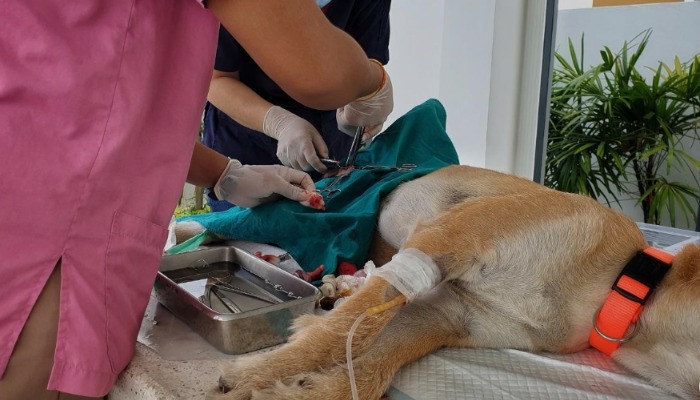
Spaying (removal of the ovaries and usually the uterus in females) and neutering (removal of the testes in males) are surgical procedures that stop pets from reproducing. While it may seem daunting, these common and safe procedures offer a wide range of advantages — for your pet’s health, behavior, and even the community at large.
Health Benefits: More Than Just Preventing Litters
One of the key reasons veterinarians recommend spaying or neutering pets is the positive impact on long-term health. For female dogs and cats, spaying dramatically reduces the risk of life-threatening reproductive diseases. It eliminates the possibility of uterine and ovarian cancers and significantly lowers the risk of mammary (breast) tumors, especially when done before the first heat cycle. It also prevents pyometra, a serious and sometimes fatal uterine infection.
Male pets benefit too. Neutering completely removes the risk of testicular cancer and can reduce the chances of prostate problems later in life. These health advantages don’t just contribute to comfort — they often translate into longer, healthier lives for dogs and cats who undergo these procedures.
Think about it this way: pets who are spayed or neutered are less likely to develop painful or costly conditions that require extensive treatment. While any surgery carries some risk, the long-term benefits generally far outweigh the potential complications when procedures are done at the appropriate age with proper veterinary supervision.
Behavioral Improvements: A Calmer, Safer Companion
Spaying and neutering can also positively affect pet behavior, making daily life easier for both pets and owners. This isn’t about changing personality — it’s about reducing hormone-driven behaviors that are often stressful for families and pets alike.
Female pets in heat can become restless, vocal, anxious, and unpredictable. They may spray urine to attract mates, try to escape to find a partner, or draw the attention of intact males into your yard. Spaying eliminates heat cycles altogether, reducing these behaviors and the stress they bring.
Neutered males are typically less likely to roam, which lowers the risk of them wandering into traffic, getting lost, or getting into fights with other animals. They may also show reduced territorial marking, mounting behavior, and hormone-related aggression. These changes make life around the house more peaceful — and help strengthen the bond between you and your pet.
Helping the Bigger Picture: Less Overpopulation, More Loving Homes
Perhaps one of the most compelling reasons to spay or neuter your pet has nothing to do with your individual animal — it’s about the broader community of pets in need. Every year, millions of dogs and cats end up in shelters simply because there aren’t enough homes for them all. When pets are allowed to reproduce freely, unwanted litters add even more animals to that population, increasing the number of homeless pets and the strain on rescue organizations and shelters.
This overpopulation crisis isn’t just a statistic — it has real consequences. Many shelters become overcrowded, resources are stretched thin, and, in some cases, healthy animals are euthanized simply because there’s nowhere else for them to go. Spaying and neutering your pet helps reduce the number of animals entering shelters each year, making it easier for rescue groups to find loving homes for pets who truly need them.
In some communities, trap-neuter-return (TNR) programs help control feral cat populations humanely and effectively. But the most impactful long-term solution remains proactive: prevent pregnancies before they start by spaying and neutering owned pets.
Beyond Health and Behavior: Safety and Community
There are additional advantages that matter every day. Neutered pets are less likely to roam in search of mates, which decreases their risk of vehicle accidents, injuries from fights, or encounters with wildlife. Spayed females won’t bleed during heat cycles or attract males to your home or neighborhood, reducing stress for both people and pets.
It’s also worth noting that communities with high rates of spayed and neutered pets tend to have lower incidences of stray animals, fewer complaints about nuisance behaviors, and reduced spread of zoonotic diseases like rabies.

When Should You Spay or Neuter?
Veterinarians generally recommend spaying or neutering pets when they are young — often around 6 to 9 months of age — but the ideal timing can vary by breed, sex, and individual health. Cats are often fixed before they reach sexual maturity at around 4–5 months old, while larger breed dogs may benefit from waiting slightly longer. Adult pets can also be spayed or neutered safely, though the surgery may carry slightly higher risks in older or overweight animals.
Because every pet is unique, it’s essential to consult with your veterinarian to determine the best timing for your companion. They can tailor recommendations based on health history, breed specifics, and lifestyle factors.
A Responsible Choice With Lasting Rewards
In the end, spaying and neutering is about giving your pet the best shot at a long, healthy, comfortable life while also acting responsibly for the well-being of other animals and your community. It’s a decision rooted in care, compassion, and foresight — one that benefits pets, families, and communities alike.
If you haven’t already discussed it with your vet, now is a great time to start the conversation. A small decision today can lead to years of health, happiness, and peace of mind for you and your beloved animal companion.




[8822]Jilimacao Casino Online Philippines: Quick Login, Register & App Download for Premium Slots Gaming. Experience premium gaming at Jilimacao Casino Online Philippines! Enjoy top Jilimacao slots, quick Jilimacao login, and easy Jilimacao register. Start your Jilimacao app download now for the ultimate mobile casino experience. visit: jilimacao
[15]Playtime Casino Philippines: Easy Login & Register for Online Slots. Download the Playtime Casino App APK Today! Experience the best online slots at Playtime Casino Philippines! Secure your playtime login, finish your playtime register, and download the playtime casino app APK today for non-stop gaming action and big wins anytime, anywhere. visit: playtime
[5727]OkayBet: Philippines’ Top Online Casino – Quick Login, Register, App Download & Premium Slots Join OkayBet, the Philippines’ top online casino. Quick OkayBet login & register for premium OkayBet slots. Secure OkayBet app download for the best casino experience! visit: okaybet
[8793]5jl Online Casino Philippines: Fast 5jl Login, Register & App Download. Play Premium 5jl Slots Today! Join 5jl Online Casino Philippines! Fast 5jl login, easy 5jl register & 5jl app download. Play premium 5jl slot games and win big at the best online casino today. visit: 5jl
[1080]HouseofLuck Philippines: Best Slots, Easy Login, Register, and Official Casino App Download. Experience the best HouseofLuck slots in the Philippines! Fast houseofluck login, easy houseofluck register, and official houseofluck casino app download. Play now! visit: houseofluck
[2066]Experience the best PH889 online casino in the Philippines. Fast PH889 login, easy register, premium PH889 slot games, and official PH889 app download. Join PH889, the top online casino in the Philippines! Enjoy fast PH889 login, easy register, and premium PH889 slot games. Get the official PH889 app download now for a premium gaming experience. visit: ph889
[8841]jljl9 app|jljl9 giris|jljl9 login|jljl9 casino|jljl9 download Experience top-tier online gaming at jljl9 casino, the premier gambling destination in the Philippines. Secure your jljl9 login, use the jljl9 giris for quick access, and download the jljl9 app to enjoy premium slots and live casino games anytime, anywhere. visit: jljl9
[3379]91ph Casino: Official Login, Register & App Download. Play the Best 91ph Slots in the Philippines Today! Join 91ph Casino for the top 91ph slots in the Philippines! Secure your 91ph login, fast 91ph register, and easy 91ph app download to start winning big today. visit: 91ph
[814]JilliAsia Casino: Best Online Slots in the Philippines. Easy Login, Register, and App Download. Experience the best online slots at JilliAsia Casino Philippines! Secure your JilliAsia login and register today to enjoy premium JilliAsia slot games. Fast JilliAsia app download available for the ultimate mobile gaming experience. Join now! visit: jilliasia