Imagine teaching your dog new skills in a way that feels fun, clear, and deeply rewarding — not just for your dog, but for you too. That’s the promise of clicker training, a positive, science-based training method that dog experts and pet parents alike adore. At its heart, clicker training is about communication and connection — learning to speak your dog’s language in a way they understand instantly.
So what is clicker training? In the simplest terms, it’s a way to mark the exact moment your dog does the behavior you want, and then immediately follow that mark with a reward. The “marker” comes from a small handheld device called a clicker — it makes a crisp, consistent sound (a click) that tells your dog, “Yes! That’s exactly right!”
This approach works beautifully because dogs don’t misinterpret the sound. Unlike a voice, which can change tone or be unclear depending on your mood, the clicker always sounds the same. That consistency makes learning faster and less confusing for your dog.
But clicker training is more than just a tool — it’s a philosophy rooted in positive reinforcement. Rather than telling your dog what not to do, you celebrate what you want them to do, over and over again. The result? Dogs who are eager to learn, confident in their abilities, and more connected with their humans.
How Clicker Training Actually Works
Clicker training follows a simple three-step rhythm that makes learning predictable and rewarding:
1. Click at the Exact Right Moment
The moment your dog performs the behavior you like — whether it’s a sit, a gentle eye contact, or a calm stay — you click. That click signals to your dog, “That’s it! That’s what I want!” Because the click is so immediate and precise, your dog learns exactly which action earned that positive marker.
2. Follow the Click With a Reward
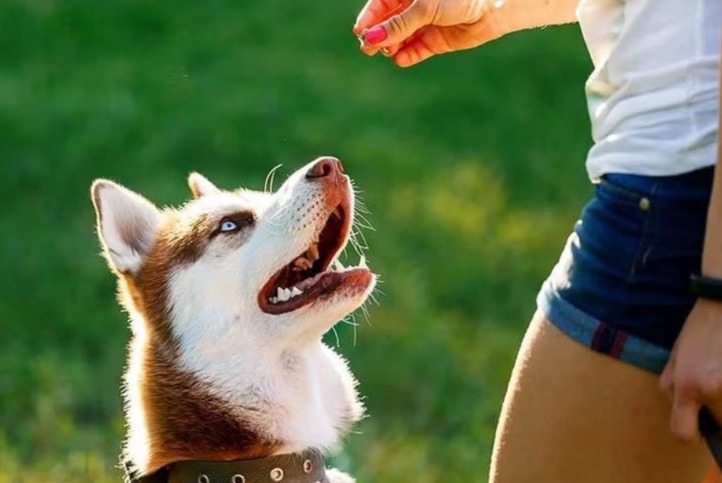
Right after the click, give your dog something wonderful — a tiny piece of high-value treat, a favorite toy, or enthusiastic praise. This reinforces the behavior. Over time, your dog learns that good things always follow that click sound, so they’ll start offering that behavior more and more.
3. Repeat and Build
With repetition, your dog begins to understand patterns. Next, you can start shaping more complex behaviors — stepping through a training plan, improving reliability in real environments, and even introducing cues (like words or gestures) that signal when a behavior is expected.
Why Dogs (and People) Love Clicker Training
Clicker training isn’t just effective — it feels good. Here’s why so many dog owners love it:
• Clear Communication
Dogs don’t guess what you want — the click tells them instantly.
No frustration, no confusion.
• Quick Learning
Because learning is precise and consistent, many dogs catch on faster than with traditional methods.
• Builds Confidence
Dogs begin to think, explore options, and offer behaviors on their own — not just react to pressure.
• Strengthens Your Bond
Training becomes a conversation, not a chore. Dogs who learn with positive methods tend to be more enthusiastic and eager to work with their people.
• Works for All Dogs
Puppy? Senior? Rescue dog with baggage? Clicker training can help them all — adapting to each dog’s pace.
Getting Started: A Simple Clicker Training Plan
You don’t need to be a professional trainer to begin. Here’s a simple intro plan you can try at home:
- Charge the Clicker:
Before teaching anything else, make sure your dog learns that click = treat. Click, then give a treat. Repeat several times. - Teach a Basic Behavior (Like Sit):
Hold a treat above your dog’s nose and slowly move it back toward their ears — most dogs sit to follow that motion. The instant their bottom touches the ground, click and reward. - Add a Cue Word:
Once your dog sits reliably with the lure, introduce a cue like “sit.” Say it before the behavior, then click and treat once they sit. - Practice in New Places:
Once your dog has the idea at home, try the same behavior in different rooms or outside. Always click first, then reward. - Fade Out the Clicker Gradually (Optional):
As your dog becomes reliable, you can start meaningfully replacing the click with your verbal marker (“Yes!”) and deliver rewards intermittently. But many trainers keep clickers even long-term because they’re so effective.
Common Mistakes (and How to Fix Them)
Even great methods can be applied poorly. Here are a few pitfalls and simple solutions:
❌ Clicking at the Wrong Time — If you click after the behavior is over, your dog gets confused.
👉 Fix: Click the very instant the behavior happens.
❌ Waiting Too Long to Reward — Delay dilutes the connection between the click and the treat.
👉 Fix: Always follow quickly — ideally within a second.
❌ Expecting Instant Perfection — Dogs learn in stages.
👉 Fix: Celebrate progress — even tiny steps forward.
The Heart of Clicker Training: Trust and Joy
More than anything else, clicker training works because it aligns with how dogs naturally learn. It transforms training from a chore into a joyful conversation. Instead of pressure or confusion, you get clarity, connection, and mutual respect.
Whether you’re teaching basics like sit and stay, or advanced skills like tricks and agility cues, clicker training turns the process into something your dog looks forward to. And when training becomes fun for both of you, the relationship evolves — from co-existence to partnership.
So grab a clicker, a handful of tiny treats, and your dog’s curious spirit. Click once, reward, and watch your dog’s face light up each time they understand exactly what you meant. Training doesn’t just change behavior — it creates moments of joy, trust, and shared understanding that deepen your bond in a way that lasts a lifetime.