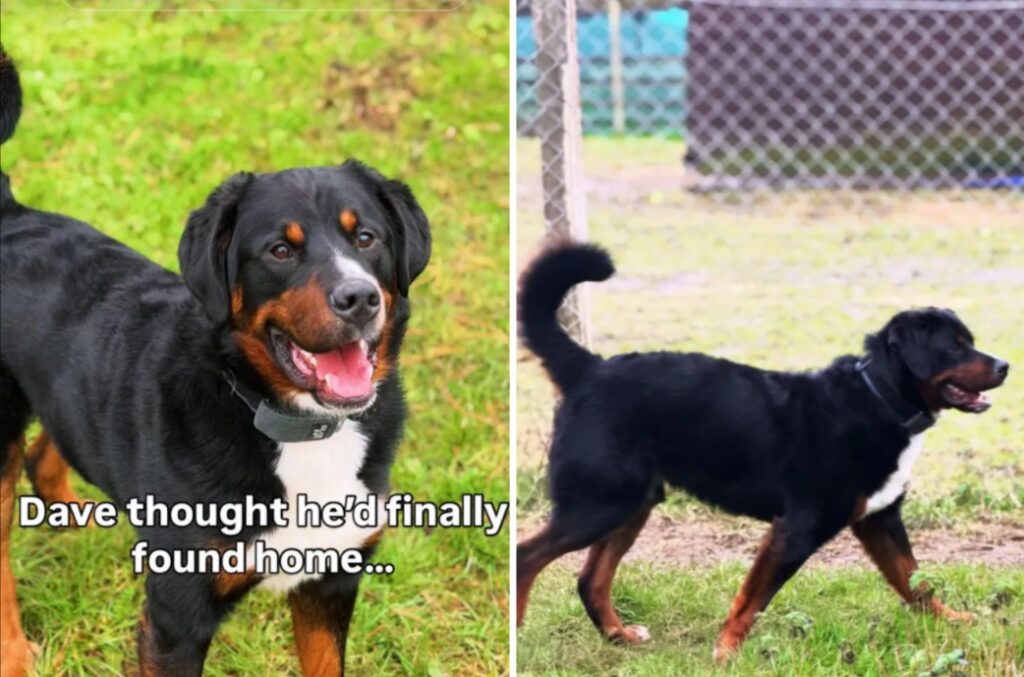
There are rescue stories that warm your heart, and then there are stories that turn your gut — one moment full of hope, the next full of heartbreak.
That’s exactly what happened to Dave, a handsome Bernese Mountain dog mix whose recent adoption ended in disappointment for everyone involved — and whose true forever home remains out there waiting.
Dave arrived at Animals in Need, a no‑kill rescue shelter in Northamptonshire, U.K., after his previous owner, due to failing health, could no longer care for him.
He had spent much of his first year with that person, building a bond most dogs only dream of — until life circumstances stole it away.
For months, Dave waited in the shelter. Staff and volunteers adored him for his affectionate nature, his eagerness for play, and the fact that he clearly loved people.
His mix of loyalty and affection made him exactly the kind of dog most families hope to adopt — and when the perfect match seemed to happen at last, staff celebrated.
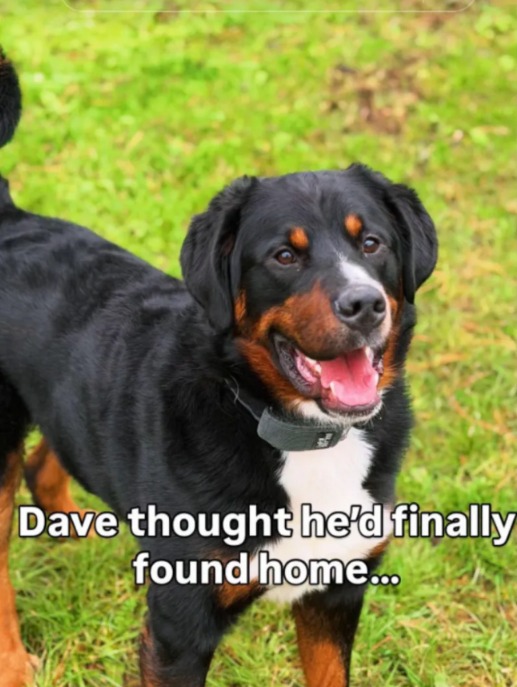
But that celebration was short‑lived. Less than 24 hours after Dave went to his new home, he was returned to the shelter.
The adopter said that Dave’s behavior — specifically that he “tested boundaries” and began chasing an adult family member — became too much to handle, even though the rescue had previously warned them about that tendency and provided offers of training and support.
Shelter staff were devastated. “When he was brought back, I was absolutely gutted for him,” one worker said, expressing not just sadness but frustration that a dog with so much love to give had been given up so quickly.
In the shelter’s eyes, Dave wasn’t simply displaying “bad behavior.” He was showing signs of insecurity — behavior rooted not in malice, but in a lack of consistent stability and training.
Dave’s situation isn’t just sad — it underscores a broader issue many rescue advocates talk about: adopting a dog is a long‑term commitment that often requires patience, understanding, and time.
Not every dog fits seamlessly into every family. Some dogs, especially those who have experienced instability or multiple homes, need extra support and consistency before they can feel secure enough to show their true, affectionate selves.
Dave’s behavior — testing boundaries, needing reassurance from handlers, occasionally chasing someone — isn’t unusual. Many dogs who have been surrendered multiple times exhibit similar behavior, not because they’re “bad,” but because they’re uncertain and still learning trust. In fact, Dave has already experienced four different homes in his young life.
That helps explain why he sometimes needs a little extra patience and guidance — especially from a household that can provide predictable routines and consistent training.
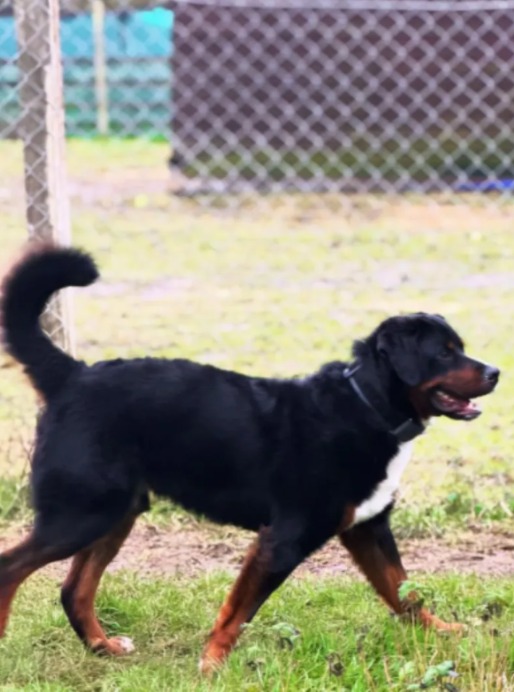
Despite this setback, there is hope for Dave. Since his story was shared on social media by The Furever Home Project, a rescue initiative that highlights overlooked dogs, inquiries from potential adopters have poured in.
While not all prospects are suitable, the shelter and rescuers are carefully screening families who understand Dave’s needs — ideally a single‑person home or a couple who have experience with training and plenty of time to devote to him, including homes without young children due to his size and energetic temperament.
Rescue workers describe Dave as a dog who thrives on playtime, cuddles, and close interaction with his favorite people, and who doesn’t like being left alone for long.
He’s loyal, loving, and very eager to please — qualities that, in the right environment, can flourish beautifully.
Dave’s story — painful as the return was — isn’t an ending. It’s a reminder of the patience and understanding some dogs need before they can truly settle.
It also shows how rescue organizations and communities can work together to find the right match for dogs who deserve more than a hastily discarded forever home.
For every Dave out there, there’s someone who can offer the time, training, and love he needs. And when that person comes forward, his loyalty — and his boundless affection — will be worth every moment of patience it took to help him get there.