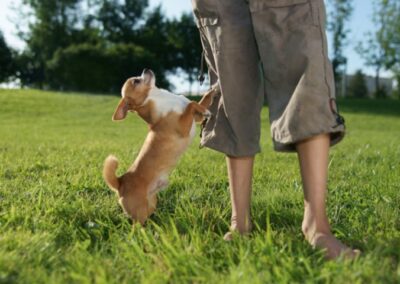
Training a dog isn’t just about commands and treats — it’s about communication, understanding, and choosing the right tools to support that process.
With so many training aids available today, knowing which ones to use — and when — can make the difference between a confident, well‑behaved dog and one that feels confused or stressed. Selecting the right training aid is not about finding the most expensive or popular option; it’s about matching the tool to your dog’s needs and your own training goals.
Start With Your Dog’s Needs
Every dog is unique. Before you invest in a training aid, take a moment to assess your dog’s age, breed, temperament, and physical capabilities. A young, energetic Labrador will have very different training requirements from a timid senior Maltese. Certain breeds are strong pullers, some may be easily distracted, and others may have health conditions that limit their mobility.
For example, dogs with respiratory issues or delicate necks should avoid tools that put pressure around the throat. Similarly, small or toy breeds may become overwhelmed by bulky or heavy equipment. Understanding your dog’s personality and physical condition will help you choose aids that support, rather than hinder, their progress.
Collars: A Basic But Essential Tool
Collars are among the most common training aids, but not all collars are created equal. A standard flat collar — one that rests comfortably around the dog’s neck without squeezing — is often a good place to start. These are ideal for attaching identification tags and everyday walks. When paired with positive reinforcement like treats and praise, flat collars help reinforce good behavior without force.
For dogs that tend to slip out of collars, martingale collars provide extra security. They tighten slightly when the dog pulls, preventing escape, but do not constrict the way choke chains do. Martingales are especially useful for breeds with narrow heads, such as Greyhounds or Whippets.
While prong collars and choke chains are sometimes marketed for strong or stubborn dogs, they should be used only under professional guidance. Incorrect use can cause physical harm and emotional stress, undoing the trust you’re trying to build through training.
Harnesses: Comfort and Control
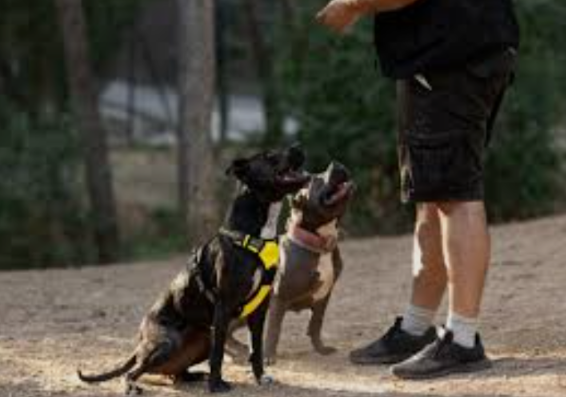
Harnesses are excellent alternatives to collars, particularly for dogs that pull or those with respiratory concerns. A well‑fitting harness distributes pressure across the chest and shoulders, reducing strain on the neck. For daily walks, front‑clip harnesses can discourage pulling by redirecting the dog’s forward motion without discomfort.
There are also body support harnesses designed for dogs with mobility issues, such as older dogs or those recovering from injury. These harnesses often include padded handles so that caregivers can assist the dog safely.
It’s important to choose a harness that fits well; a poor fit can cause chafing or restrict movement. Always check sizing guidelines and adjust straps so the harness feels snug but not tight.
Training Tools Beyond Collars and Harnesses
Some tools don’t go on the dog at all but still play a significant role in training:
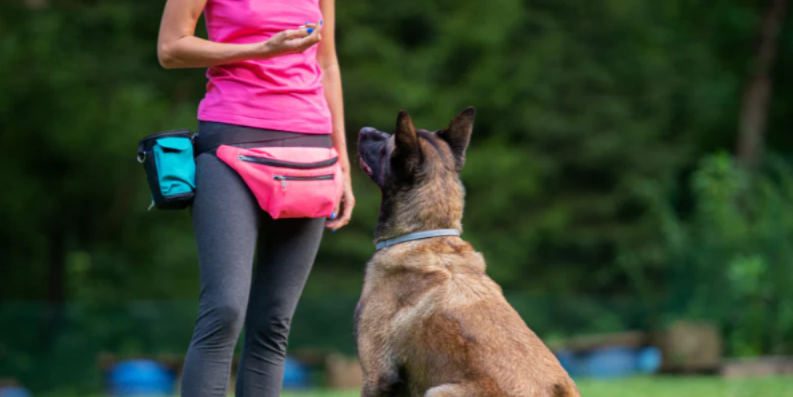
Clickers: These simple devices make a distinct “click” sound that marks a correct behavior the instant it occurs. Because the sound is consistent and precise, clickers can help dogs understand exactly what action earned the reward.
Treat Pouches: Accessibility matters. A treat pouch worn by the handler keeps rewards within easy reach, making training sessions smoother and more consistent.
Long Lines: Useful for recall training, long lines allow your dog more freedom while still giving you control. They’re a great step between short leash walks and off‑leash training in open spaces.
Tools That Require Caution
Certain training aids should be approached with care. For example, head halters and no‑pull devices can be effective for managing pulling behavior, but improper fit or use can cause discomfort or resistance in the dog. Likewise, vibration or citronella collars are sometimes used to interrupt unwanted behavior, but they don’t teach an alternative action and can create anxiety when used without a plan.
Tools that rely on aversive stimuli — whether sound, vibration, or pressure — are best avoided unless recommended by a trainer experienced in balanced, reward‑based methods.
Positive Reinforcement Is the Foundation
No matter which tools you choose, the philosophy behind your training matters most. Positive reinforcement — rewarding desired behaviors with praise, treats, toys, or affection — builds trust and motivation. Training aids should support this process, not replace it.
The goal of any tool is to facilitate communication between you and your dog. If a tool causes confusion, fear, or stress, it’s not doing its job.
Seek Professional Guidance
If you’re unsure which tools are appropriate for your dog, consult a certified dog trainer. A good trainer can evaluate your dog’s behavior, recommend suitable aids, and demonstrate how to use them correctly. This guidance is especially valuable for specific challenges like leash pulling, reactivity, or fear‑based behaviors.
Observe and Adjust
Training is a dynamic process. Pay attention to how your dog responds to each aid. Signs of discomfort, avoidance, or anxiety signal the need to adjust your approach. A tool that works well for one dog may not suit another, and dogs can change over time as they mature or as their environment evolves.
Conclusion
Choosing the appropriate training aids for your dog is not a one‑size‑fits‑all process. It requires thought, patience, and a commitment to positive communication. When you match the right tools with your dog’s needs and use them correctly, you’re not just teaching commands — you’re strengthening your connection. Successful training leads to a confident, happy dog and a partnership built on understanding.