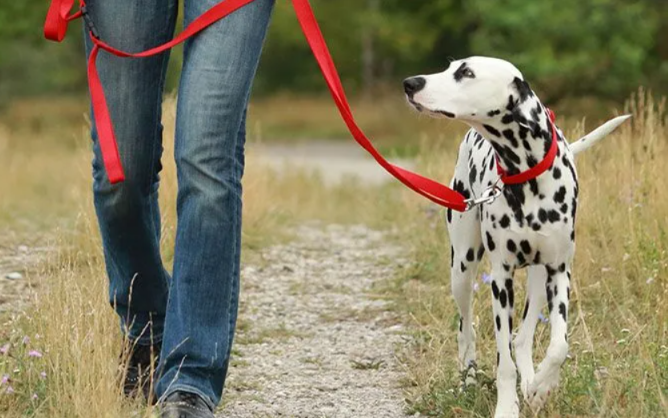
There’s a moment every dog owner dreams about.
Your dog running freely across an open field… ears flapping in the wind… checking back with you every few seconds like you’re still the center of their universe.
No pulling.
No tangled leash.
No panic.
Just trust.
For many people, off-leash training feels like the ultimate dog-owner achievement — the kind of bond that looks effortless from the outside.
But what most people don’t see is that truly reliable off-leash freedom isn’t built in one weekend.
It’s built through hundreds of tiny moments.
And usually, it starts with failure.
A lot of failure.
One dog owner described their early walks as being dragged down the street by a “sled dog with no brakes.”
Another admitted their dog would completely forget they existed the second a squirrel appeared.
And honestly? Most dog owners know that feeling.
You call your dog’s name once.
Twice.
Five times.
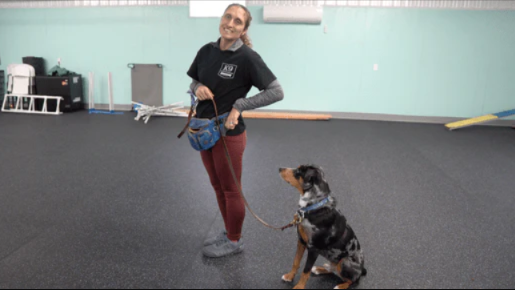
Meanwhile, your “best friend” is sprinting toward a bird like you never existed at all.
That’s why experienced trainers often say off-leash freedom isn’t really about freedom.
It’s about control built on trust.
The dogs who succeed off leash aren’t necessarily the calmest dogs naturally. In many cases, they’re energetic, stubborn, distractible, and wildly curious.
The difference is consistency.
Experts often recommend starting with the most overlooked skill of all: recall.
Not the casual “come here” people repeat ten times at the park.
Real recall.
The kind where your dog spins around instantly because returning to you has become the greatest habit in their world.
And that doesn’t happen by accident.
Most successful off-leash journeys begin on a long training leash. Dogs practice returning again and again in low-distraction environments before gradually earning more freedom.
Parks, quiet trails, fenced areas, and controlled environments become classrooms.
Because here’s the truth many people learn the hard way:
A dog who listens perfectly inside the house may completely forget every command outdoors.
Outside is chaos.
Smells.
Birds.
Children.
Other dogs.
Movement everywhere.
To dogs, it can feel like trying to focus during a fireworks show.
That’s why trainers stress building attention before freedom. Some owners spend weeks simply rewarding their dog for checking in voluntarily during walks.
Eye contact becomes a game.
Coming back becomes exciting.
Listening becomes rewarding instead of stressful.
And slowly, something incredible starts happening.
The dog begins choosing you over distractions.
That’s the breakthrough.
Not fear.
Not intimidation.
Choice.
Some modern trainers strongly advocate positive reinforcement methods for this exact reason.
Reward-based training tends to create dogs who stay engaged willingly rather than responding only out of fear of correction.
At the same time, off-leash training remains one of the most debated topics in the dog world.
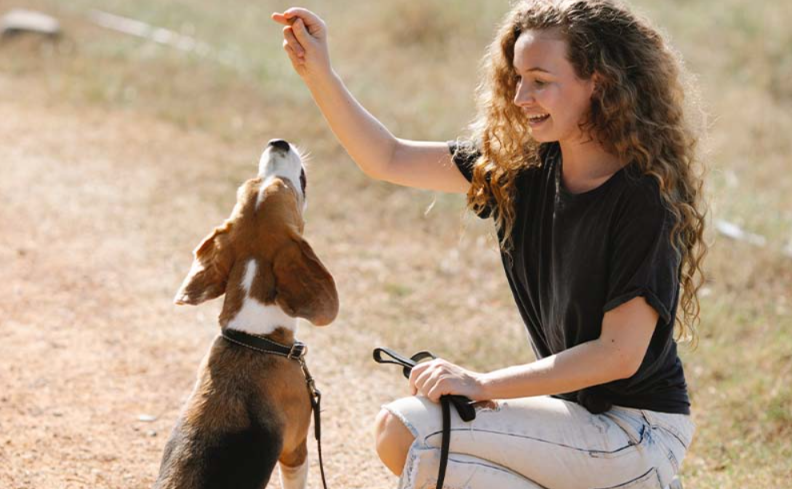
Some trainers use electronic collars as reinforcement tools, while many owners and force-free advocates remain deeply uncomfortable with those methods.
Reddit discussions around off-leash programs often reveal intense disagreements about shock collars, board-and-train systems, and whether some methods prioritize fast obedience over emotional well-being.
And honestly, the debate exists for a reason.
Because off-leash freedom comes with real responsibility.
A poorly trained dog running loose isn’t just inconvenient — it can become dangerous in seconds.
One distracted moment near traffic.
One prey-drive chase.
One frightened child.
One reactive dog encounter.
Everything can change instantly.
That’s why experienced owners often say the bar for true off-leash reliability is incredibly high.
Some dog trainers believe only a small percentage of dogs achieve dependable recall in high-distraction environments.
But when it works?
It’s beautiful.
Owners describe it almost like learning a second language with their dog. Tiny cues replace constant leash tension.
Dogs learn to stay close naturally. They pause when asked. Wait at trails. Return immediately when called.
Not because they’re forced to.
Because partnership has become instinct.
One owner shared that their dog began off-leash work at just eight weeks old and gradually built enough trust and consistency to settle calmly in busy public spaces without needing physical restraint.
That level of reliability takes time most people underestimate.
Months.
Sometimes years.
And perhaps the biggest lesson of all?
Good off-leash dogs are rarely created through shortcuts.
They’re created through repetition, patience, and thousands of rewards for doing the right thing when distractions scream louder.
The leash eventually comes off.
But the connection stays on.
And maybe that’s the real goal all along.
Not raising a dog that runs free from you.
But raising one that never truly wants to.


Thank you.