Every dog owner dreams about having that dog.
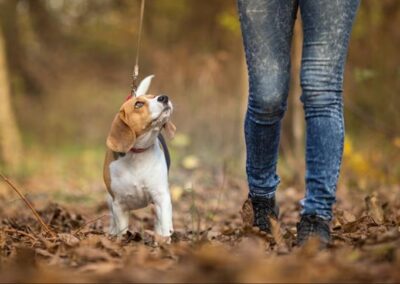
The one who walks politely on a leash.
Greets people calmly.
Ignores distractions.
Comes when called.
And somehow makes public outings look effortless.
The good news? Dogs are not born knowing how to handle those situations naturally.
These are learned life skills — and one of the most popular ways to teach them is through the AKC Canine Good Citizen program, often called CGC.
The program focuses on helping dogs become calm, confident, and well-mannered in everyday situations.
Instead of flashy tricks, CGC training centers around real-world behavior: greeting strangers politely, staying calm around other dogs, walking nicely on leash, and handling distractions without chaos.
And honestly, that’s what makes it so valuable.
Because “good dog” behavior usually comes down to emotional control, not perfection.
The training itself is built around 10 core skills that gradually teach dogs how to behave calmly in public and at home.
Dogs are evaluated on things like accepting friendly strangers, sitting politely for petting, reacting calmly to noises, walking through crowds, and staying relaxed when separated briefly from their owner.
For many owners, one of the first major hurdles is attention.
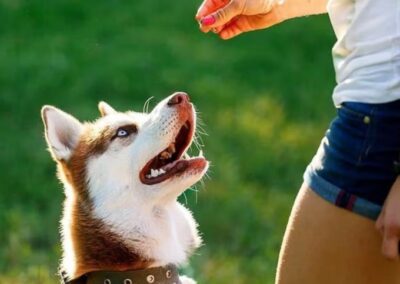
Dogs naturally want to focus on exciting things around them — people, smells, squirrels, other dogs — so trainers often begin by teaching a simple “Watch Me” cue.
This helps redirect the dog’s attention back to the owner before distractions become overwhelming. Training usually starts in quiet spaces before gradually adding more stimulation.
That gradual progression matters a lot.
One of the biggest mistakes owners make is moving too fast.
If a dog loses focus or becomes overstimulated, trainers typically recommend increasing distance from the distraction and slowing the process down instead of forcing the dog through it.
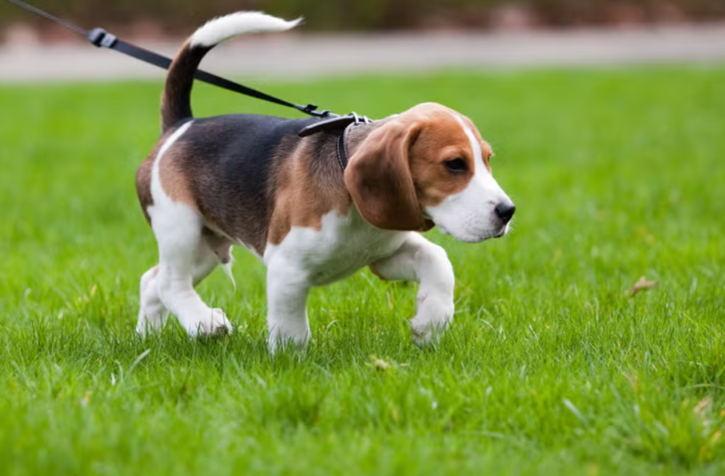
Loose leash walking is another major part of CGC preparation — and probably one of the most practical daily skills any dog can learn.
The concept is simple: pulling never moves the walk forward. Dogs are rewarded only when the leash remains loose.
The moment they pull, movement stops. Over time, dogs learn that calm walking gets them where they want to go faster than dragging their human down the sidewalk.
Then comes emotional regulation around people and dogs.
This is where many dogs struggle most.
Friendly dogs often become overly excited during greetings, while nervous dogs may shut down or react defensively.
CGC training focuses heavily on teaching dogs to remain composed during these interactions — sitting politely instead of lunging, jumping, or pulling toward others.

Interestingly, many dog owners online say the hardest portions of the test are not the obvious ones.
According to discussions from dog training communities, supervised separation and calmly passing another dog on leash are often the biggest challenges.
Even highly social dogs can fail because excitement overrides impulse control.
And that’s really the heart of CGC training:
Impulse control.
Not suppressing personality.
Not creating a robotic dog.
Just teaching dogs how to pause, think, and respond calmly in environments that would normally overwhelm them.
Positive reinforcement plays a huge role throughout the process.
Trainers encourage rewarding desired behaviors immediately with treats, praise, toys, or affection so dogs begin associating calm behavior with positive outcomes.
One of the most important lessons owners learn during CGC prep is that confidence and manners are deeply connected.
Dogs who understand expectations clearly tend to become more relaxed because the world feels more predictable.
And the benefits extend far beyond passing a test.
Dogs trained through CGC-style foundations often become easier to travel with, easier to introduce to guests, and more comfortable in public spaces.
Many owners even use the program as a stepping stone toward therapy dog work or advanced training later on.
But perhaps the biggest takeaway is this:
Well-behaved dogs are rarely “naturally perfect.”
Most are simply dogs whose owners spent time building trust, consistency, and communication one small skill at a time.
Not overnight.
Not flawlessly.
Just patiently.
And in the end, that steady work often creates the kind of dog everyone hopes for — not because the dog became less joyful, but because they learned how to navigate the world with confidence instead of chaos.