Dogs don’t care whether a toy is expensive, trendy, or “designer approved.”
If it squeaks, bounces, flops around, or can be proudly carried through the house at full speed, most dogs are immediately interested.
But while toys are supposed to provide fun, exercise, and mental stimulation, not every toy on the market is actually safe for pets.
And that’s where many owners accidentally run into trouble.
According to pet safety experts, thousands of pets are treated every year for injuries linked to unsafe toys — including choking hazards, swallowed pieces, broken teeth, and intestinal blockages caused by poorly designed products.
The scary part?
Many dangerous toys don’t look dangerous at first glance.
Some are brightly colored and cute. Others are labeled “indestructible” or marketed specifically for aggressive chewers.
But even heavily marketed pet toys can become risky if they’re the wrong size, made from poor materials, or simply not suited to a dog’s play style.
That’s why choosing safe toys starts with understanding your dog — not the packaging.
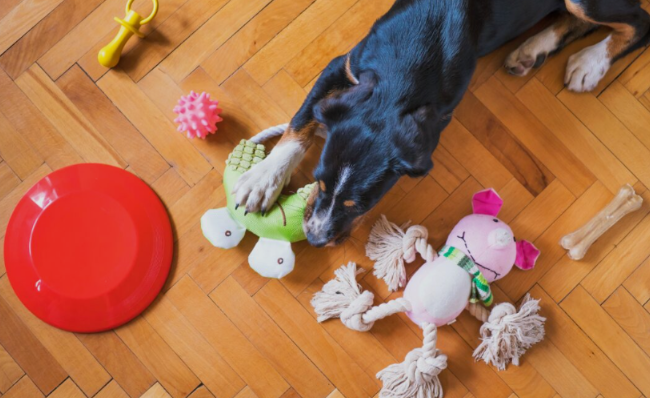
For example, a toy that works perfectly for a gentle Golden Retriever may become a hazard within minutes for a power chewer who destroys plush toys for sport.
Puppies, seniors, small breeds, and high-energy dogs all interact with toys differently, which means safety should always match the dog in front of you.
One of the biggest concerns veterinarians see is swallowed toy pieces.
Loose fabric, squeakers, strings, buttons, bells, stuffing, and broken plastic parts can all become choking hazards or cause intestinal blockages if ingested.
Emergency vets regularly warn that even toys marketed as “tough” can fail under strong jaws.
That’s why experts recommend checking toys regularly for wear and tear instead of waiting until they completely fall apart.
A small tear today can become a dangerous emergency tomorrow.
Material choice also matters more than many people realize.
American Humane recommends choosing toys made from durable, non-toxic materials and avoiding anything small enough to swallow or sharp enough to splinter.
Meanwhile, veterinarians often caution owners against overly hard chew items that can crack teeth over time, including some antlers, bones, or rigid synthetic chews.
The goal is durability without excessive hardness.
Many dog owners online say they now look specifically for toys made from safer rubber compounds, reinforced nylon, or natural cotton rope while avoiding cheap plastics and glued-on decorations that can detach easily.
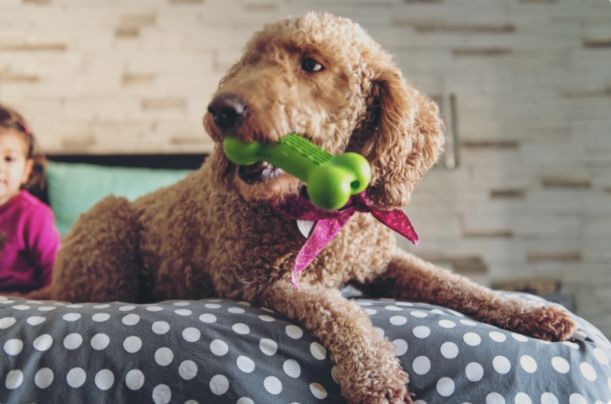
And surprisingly, supervision is still one of the most important safety tools.
Even well-made toys can become dangerous if a dog is left alone long enough to destroy them.
Animal behavior communities frequently emphasize that many toys should be treated as “observed play” items rather than permanent unsupervised chew objects.
That doesn’t mean dogs shouldn’t have toys.
In fact, safe toys are incredibly important for emotional and physical enrichment.
Puzzle toys, treat dispensers, scent games, and interactive play help reduce boredom, encourage problem-solving, and channel natural instincts in healthy ways.
Experts often recommend rotating toys regularly to keep dogs mentally stimulated instead of leaving the same items available all the time.
And for many dogs, favorite toys become comfort objects as much as entertainment.
A soft plush toy may help a nervous dog self-soothe. Puzzle feeders can reduce stress and provide structure.
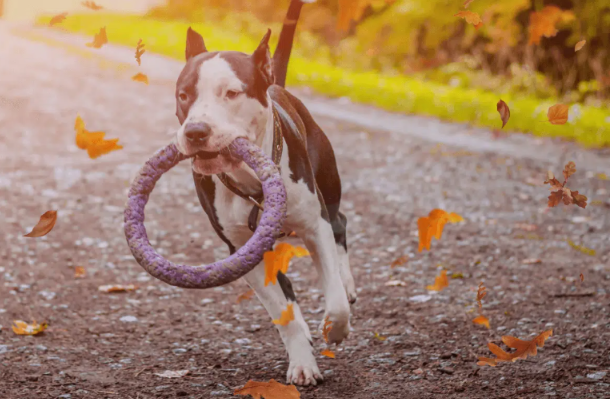
Fetch toys encourage exercise and bonding. Tug toys can become interactive social activities between dog and owner.
The key is choosing thoughtfully instead of impulsively.
A few simple questions make a huge difference:
Is this toy too small to swallow?
Could pieces break off easily?
Is the material safe and durable for my dog specifically?
Would I trust this toy during unsupervised play?
Does it match my dog’s chewing style and energy level?
Because at the end of the day, the safest toys are not necessarily the fanciest ones.
They’re the ones that allow dogs to play, chew, chase, cuddle, and explore without putting them at unnecessary risk.
And for pet owners, that balance matters.
Because playtime should end with tired tails and happy dogs — not an emergency trip to the vet.