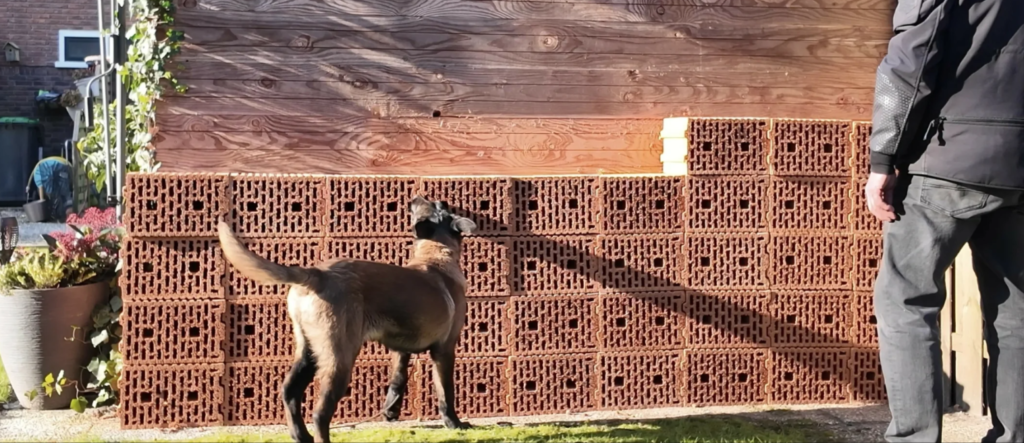
Detection work with dogs might look complex from the outside—rows of scents, highly trained animals, and incredible accuracy in real-world searches.
But according to decades of hands-on experience in professional dog training, the foundation of all successful scent work is surprisingly simple.
Start small. Stay consistent. And don’t rush complexity.
That principle, more than anything else, determines whether a detection dog becomes precise and reliable—or confused and inconsistent.
One of the most common mistakes in scent training is trying to teach too much too fast. Handlers often introduce multiple scents at once, change environments too quickly, or expect dogs to understand subtle differences before the foundation is solid.
It may feel efficient.
But in reality, it creates confusion.
Dogs don’t learn clarity through overload—they learn it through repetition and structure.
Building From Experience
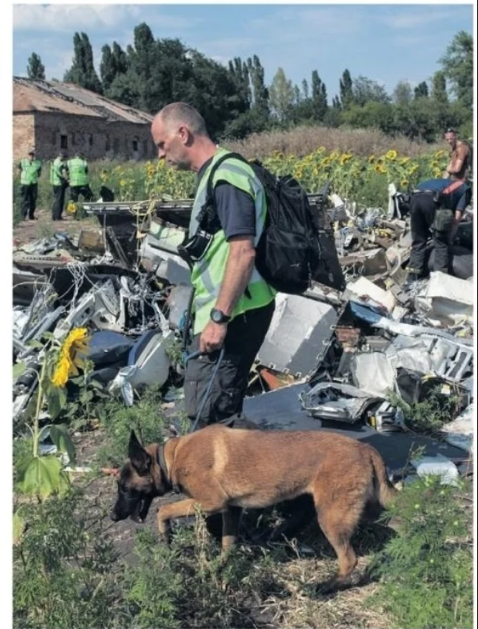
Professional detection training has long relied on structured scent work, developed through decades of practical field experience. Working dogs have been trained to detect an incredibly wide range of odors, including narcotics, explosives, accelerants, human remains, blood, semen, money, food scents, and more.
Despite the variety, the underlying training system remains consistent.
Everything begins the same way:
One scent.
One clear task.
One controlled environment.

The First Rule: One Scent Only
The first phase of detection training focuses on teaching two essential skills:
- The search behavior
- The indication behavior
To do this effectively, the dog must not be overwhelmed with competing information. That’s why training begins with a single scent source in a controlled, predictable environment.
A common method involves placing a strong scent source inside a stone or hidden container. The dog can smell it clearly but cannot access it physically. This forces focus on the odor itself, not the object.
Predictability is key at this stage. The goal is not to challenge the dog with complexity, but to create calm understanding.
Once the dog understands the task, structure can gradually be refined.
From Large to Small: Refining Precision
Early training often starts with a large scent source. This makes the task obvious and helps the dog build confidence in the correct behavior.
But as soon as the dog understands what is expected, the scent source is reduced.
This step is critical.
If handlers keep the scent too large for too long, dogs may develop sloppy search patterns. Precision comes from learning to work with minimal scent cues—not obvious ones.
The transition from large to small is what builds real detection accuracy.
Introducing New Scents
Once the foundation is stable, additional scents can be introduced.
But even then, the structure remains the same:
Same environment.
Same training logic.
Same gradual progression.
Interestingly, dogs often adapt faster to new scents once they have a strong base. The learning process becomes more efficient because the dog already understands the core task.
Typically, a new scent is trained alone for a short period before being combined with previously learned scents.
This prevents confusion and allows clear association between odor and behavior.
The Danger of Adding Too Much Too Soon
One of the biggest risks in scent training is overload.
When too many scents are introduced too quickly, dogs may start making incorrect indications. The brain simply cannot organize too many associations without clear separation.
In operational work, this becomes a serious issue.
A dog that cannot clearly distinguish between trained target odors and unrelated environmental smells may trigger false alerts or miss critical finds.
That is why structure matters more than speed.
Not All Scents Serve the Same Purpose
A key insight from real-world detection work is that not all scent training serves the same operational goal.
For example, within narcotics detection, multiple substances may be trained because the objective is broad identification. It doesn’t matter which specific narcotic is found—only that it is detected.
In contrast, disciplines like human remains detection or forensic scent work require far more separation between odor types. Mixing them can compromise clarity and reliability in real-world investigations.
Understanding that difference is essential for building the right training system from the start.
The Core Principle
Across all disciplines, one truth remains consistent:
Good detection work is built on clarity, not complexity.
Start with one scent. Build stability. Then expand carefully and deliberately.
Because in scent detection, the goal is not to teach everything at once—it’s to ensure the dog always knows exactly what matters when it counts.