Every dog deserves to feel safe, secure, and confident in the world around them. Yet for many dogs, everyday experiences can feel overwhelming. A new visitor at the door, a noisy street, an unfamiliar dog at the park, or even a simple trip to the veterinarian can trigger fear and uncertainty.
The good news? Confidence isn’t something dogs are simply born with or without. Like people, dogs can develop confidence over time through positive experiences, patience, and support from the humans who love them.
If you’ve ever wished your shy or nervous dog could feel more comfortable navigating life, the journey starts with understanding what confidence really looks like—and how you can help build it.
A confident dog isn’t necessarily the boldest or most outgoing dog in the room. Confidence simply means a dog feels secure enough to handle new situations without becoming overwhelmed. Confident dogs are curious, adaptable, and able to recover quickly from unexpected experiences.
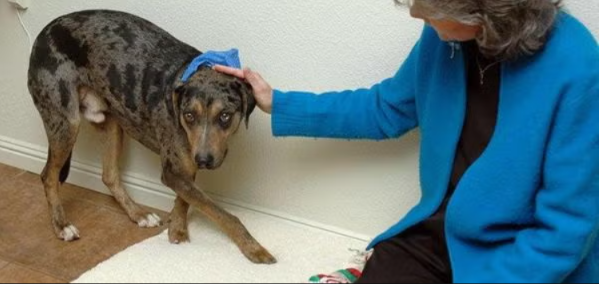
On the other hand, dogs lacking confidence may display a variety of behaviors. Some become withdrawn or avoid situations altogether. Others may bark excessively, hide, tremble, or even react defensively when they feel scared. These behaviors are often misunderstood as stubbornness or disobedience when they are actually signs of uncertainty.
One of the most effective ways to build confidence is through positive exposure to new experiences. The key word is positive. Throwing a nervous dog into overwhelming situations rarely helps and can actually make fears worse. Instead, successful confidence-building happens gradually.
Imagine teaching a child to swim. You wouldn’t toss them into the deep end and hope for the best. You’d start in shallow water, allowing them to build comfort and trust one step at a time. Dogs learn in much the same way.
For example, if your dog is nervous around strangers, allow them to observe people from a comfortable distance where they still feel safe. Reward calm behavior with treats, praise, or play. Over time, as positive experiences accumulate, your dog begins to associate those situations with good things rather than fear.
Training games can also be powerful confidence boosters. Simple activities like teaching new tricks, practicing basic obedience, or introducing puzzle toys help dogs develop problem-solving skills. Every success teaches them that they can interact with the world and earn rewards through their actions.
Even something as simple as learning “sit,” “touch,” or “spin” can help create a sense of accomplishment.
Another important factor is allowing dogs to make choices whenever possible. Dogs who feel trapped or forced into situations often become more anxious. Giving them opportunities to choose whether to approach something new can help them feel more in control and secure.
Confidence-building can also happen through enrichment activities. Sniffing walks, food puzzles, scent games, and exploration exercises encourage dogs to engage with their environment in a safe and rewarding way. These activities stimulate both the mind and body while helping dogs develop independence.
It’s equally important to pay attention to your own behavior. Dogs are incredibly skilled at reading human emotions. If you’re tense, frustrated, or anxious, your dog may pick up on those feelings. Staying calm and encouraging can help reassure your dog when they encounter something unfamiliar.
Patience is essential throughout the process. Building confidence doesn’t happen overnight. Some dogs show progress quickly, while others need weeks or months of consistent positive experiences before noticeable changes occur. Every dog moves at their own pace.
Celebrate small victories.
Maybe your dog calmly watched a stranger walk by today. Perhaps they stepped onto a new surface without hesitation or explored a new room with curiosity. Those moments may seem minor, but they represent important steps forward.
It’s also important to remember that confidence looks different for every dog. Not every dog will become the life of the party, and that’s perfectly okay. The goal isn’t to change your dog’s personality. The goal is to help them feel comfortable, secure, and capable in their daily life.
When dogs gain confidence, the benefits extend far beyond behavior. They become more resilient, more adaptable, and often more eager to engage with the people and world around them. Their quality of life improves because fear no longer controls as many of their decisions.
At its heart, confidence-building is about trust.
Trust that new experiences can be safe.
Trust that their humans will support them.
And trust in themselves.
With patience, encouragement, and plenty of positive experiences, even the most timid dog can learn that the world isn’t quite as scary as it once seemed. And watching that transformation unfold may be one of the most rewarding journeys a dog owner can experience.



https://melodyua.com допоміг знайти і скачати рідкісну музику. Величезний каталог, хороша якість. Новинки додаються постійно. Рекомендую всім меломанам без винятку.
The wave-based combat in Undead Invasion gets more intense with each level. 5807d9da.
The FHA Loan Calculator helps first-time homebuyers estimate costs. ab4756d4.