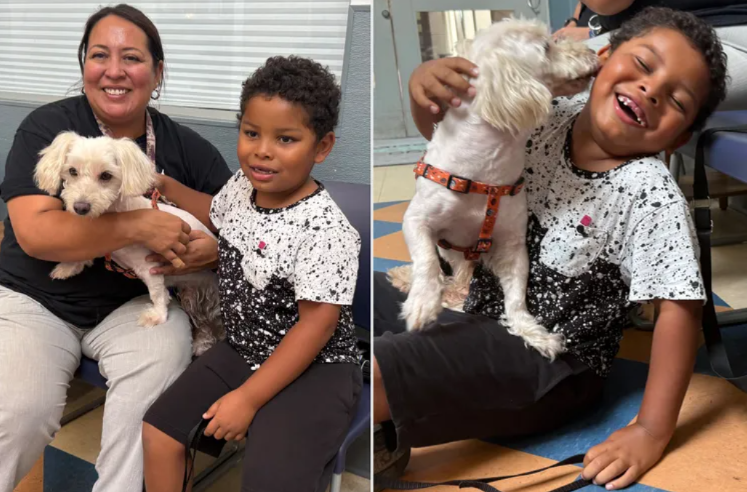
For nearly three years, Colby’s family had no idea where their beloved dog was.
The San Diego dog had disappeared, leaving his family with questions, heartbreak, and very little hope that they would ever see him again.
Then, years later, an ordinary microchip scan delivered extraordinary news.
Colby had been found.
A Disappearance With No Answers
When Colby went missing, his family had no way of knowing how long their search would last.
Days turned into weeks. Weeks became months. Eventually, nearly three years passed.
Yet the hope of bringing him home never completely disappeared.
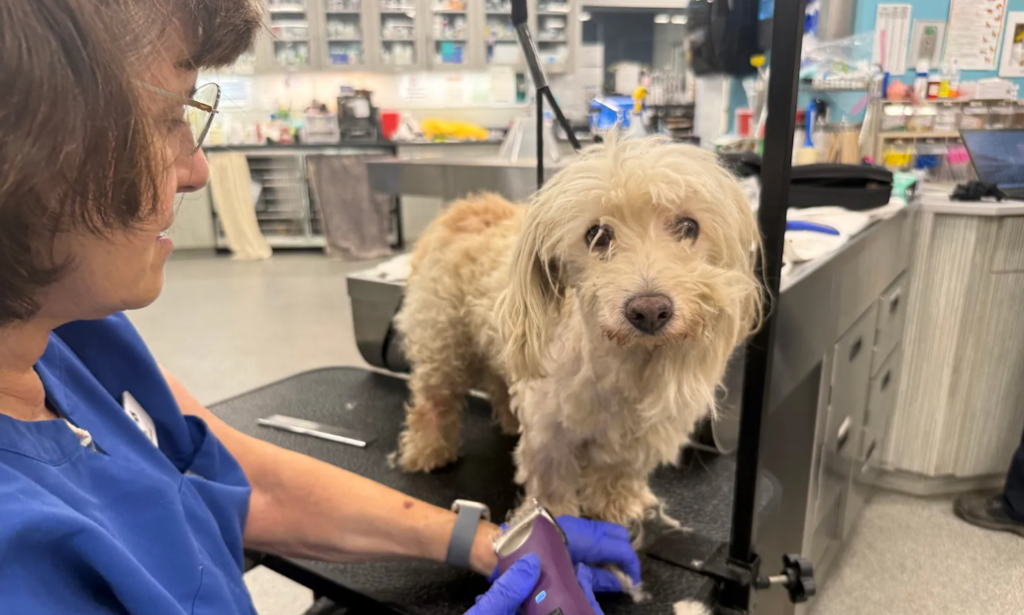
Then Colby ended up at the San Diego Humane Society, where staff scanned him for a microchip.
That tiny device contained the information needed to connect the dog with his family—and suddenly, a mystery that had lasted years had an answer.
One Scan Changed Everything
Microchips don’t work like GPS trackers. Instead, they provide a permanent identification number that can be linked to an owner’s contact information through a pet recovery database.
That distinction is important.
A microchip can’t tell a family where their missing dog is wandering.
But if someone eventually finds the animal and brings them to a shelter, veterinarian, or other facility equipped to scan for a chip, that tiny piece of technology can become the key to a reunion.
That’s exactly what happened for Colby.
After being missing for almost three years, he finally had a way back to the people who had been waiting for him.
The Reunion Was Worth the Wait
Imagine receiving a call after nearly three years and hearing that the dog you thought you might never see again had been located.
For Colby’s family, that phone call must have felt almost impossible to believe.
But this time, there was no uncertainty.
Colby was safe.
And after years apart, he was finally going home.
Stories like this show why pet identification is so important. Even when a dog has been missing for months or years, a microchip can provide a permanent connection between the animal and their family.
Why Every Dog Should Be Microchipped
Collars and identification tags are useful, but they can fall off, become damaged, or disappear.
A properly registered microchip gives a lost pet another layer of protection.
Of course, having a chip implanted is only part of the process. Pet owners should also make sure the chip is registered and that their contact information stays current.
A phone number that hasn’t been updated after a move or change of contact information won’t be much help when someone finds a missing pet.
It’s also a good idea to have a veterinarian scan your dog’s microchip periodically to confirm that it can still be detected.
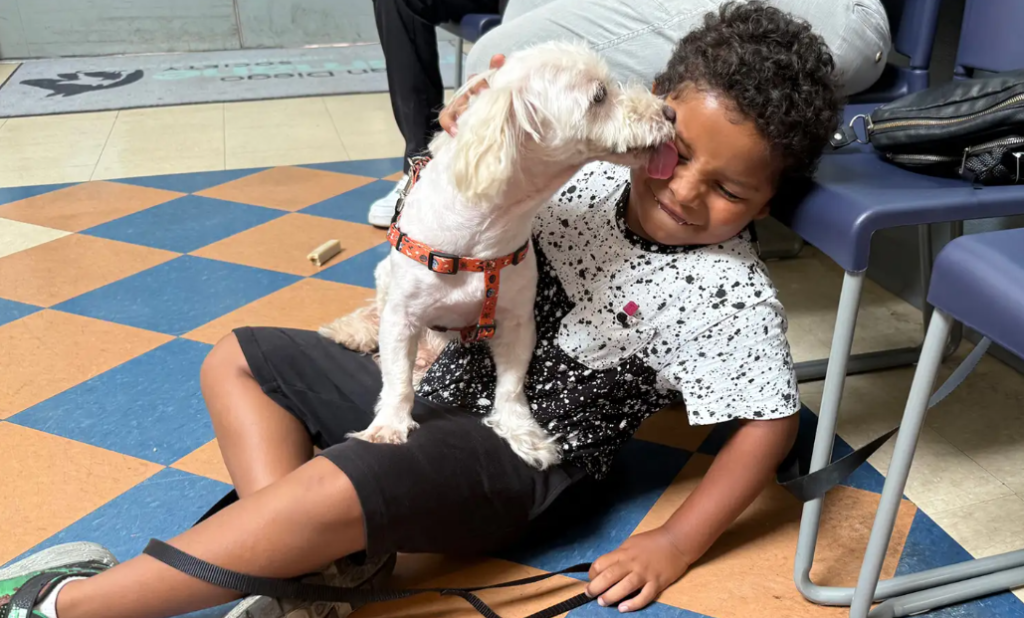
A Tiny Chip, A Huge Second Chance
Colby’s story has an especially powerful message because his reunion didn’t happen after a few days or even a few months.
It happened after nearly three years.
That’s a long time for any family to wonder whether their missing pet will ever return.
But somewhere along the way, Colby crossed paths with people who could help him—and one tiny microchip gave them the information they needed.
After years of uncertainty, his family finally got the news they had been hoping for.
Their dog was coming home.
And Colby’s incredible reunion is one more reminder that when a pet disappears, hope should never be underestimated.
Sometimes, the key to finding your way home can be smaller than a grain of rice.