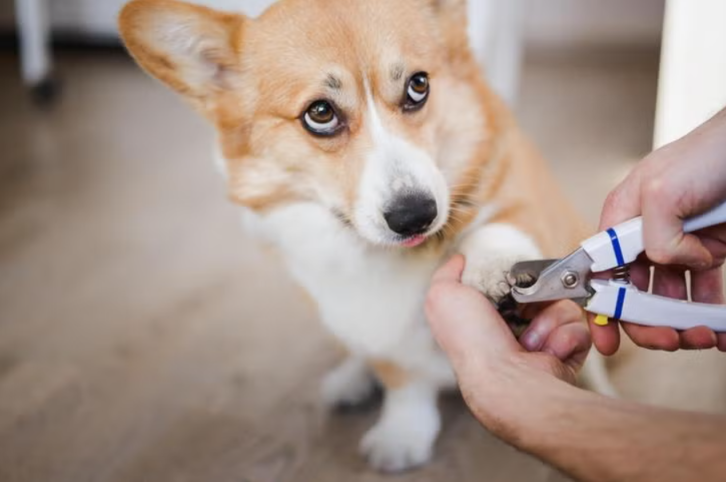
Your dog spots another dog across the street.
Suddenly, the barking starts. The leash tightens. Your dog lunges, pulls, or desperately tries to get away.
You apologize to the other owner. You struggle to regain control. And you wonder the same thing you’ve wondered a hundred times before:
Why does my dog keep doing this?
Here’s something every dog owner should understand: Your dog may not be trying to misbehave. They may be reacting to fear, anxiety, or an experience that taught them the world isn’t always safe.
And if you respond by forcing them to face that fear head-on, you could make the problem worse.
But there’s another approach. One that doesn’t rely on intimidation, punishment, or throwing your dog into the very situation that frightens them.
It’s called desensitization and counterconditioning.
And when used correctly, these techniques can help change not just what your dog does, but how your dog feels.
First, Understand What’s Behind the Behavior
Dogs develop fears for different reasons.
Perhaps your dog wasn’t properly introduced to unfamiliar people as a puppy. Maybe another dog attacked them during a walk. Or perhaps one painful nail trim was enough to make them dread having their paws touched.
Genetics and temperament can also influence how a dog responds to unfamiliar or stressful situations.
Whatever the cause, the result can look remarkably similar.
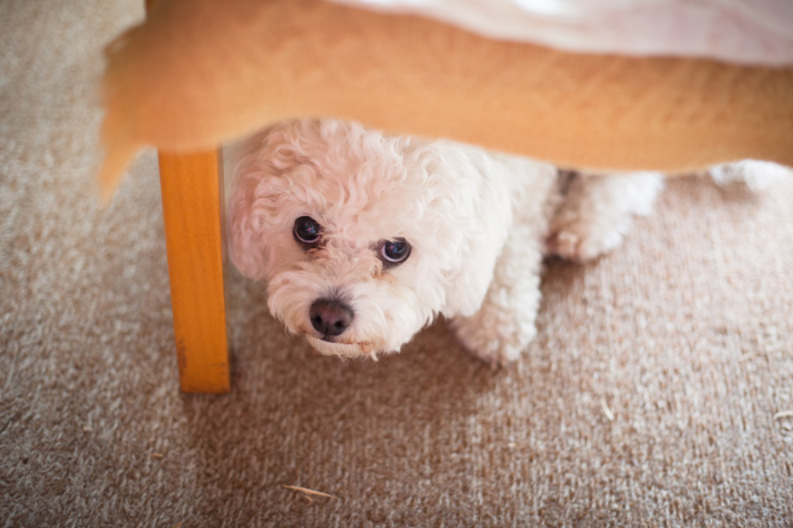
Your dog sees something frightening and reacts. They may bark, growl, hide, pull away, or attempt to escape.
Punishing these reactions doesn’t necessarily remove the fear underneath them.
If your dog is already frightened, adding yelling or pressure may make the experience even more upsetting.
The goal isn’t simply to silence your dog.
The goal is to help your dog feel safer.
The Mistake That Can Make Fear Worse
Imagine you’re afraid of spiders.
Would forcing you into a room full of them suddenly make you feel comfortable?
Probably not.
The same principle applies to dogs.
A dog frightened of other dogs may not become more confident by being placed in the middle of a crowded dog park. Instead, the overwhelming experience could intensify their fear.
This kind of forced exposure is known as flooding, and it can backfire.
A better approach starts smaller.
Much smaller.
You introduce your dog to the thing they fear at a level they can handle, then gradually build their confidence as they become more comfortable.
No rushing. No forcing. No expecting a frightened dog to magically overcome their feelings overnight.
Step One: Change What the Trigger Means
This is where counterconditioning comes in.
The idea is simple: Help your dog develop a positive association with something that currently frightens them.
Let’s say your dog gets nervous whenever they see another dog.
Instead of immediately moving closer, begin at a distance where your dog notices the other dog but can still remain relatively calm.
The moment your dog sees that other dog, offer something wonderful—a favorite treat, a special toy, or another reward they genuinely love.
When the other dog disappears, the reward stops.
Over repeated sessions, your dog can begin learning a new association: Seeing another dog predicts something good.
You’re not bribing your dog for being afraid. You’re helping change the emotional response behind the behavior.
That distinction matters.
Step Two: Take Tiny Steps Forward
Desensitization works alongside counterconditioning by gradually increasing your dog’s exposure to the trigger.
For example, you might begin with another dog standing quietly 20 feet away.
If your dog remains comfortable, you can gradually reduce the distance over multiple sessions.
Later, you might introduce movement, sounds, or more challenging situations.
But there’s one important rule: Don’t move forward until your dog is ready.
Watch their body language. A relaxed posture and willingness to accept treats can be encouraging signs.
If your dog begins barking, stiffening, hiding, or refusing food they normally love, the situation may be too difficult. Increase the distance or make the exercise easier.
Progress isn’t measured by how quickly you reach the final goal.
It’s measured by whether your dog can handle each step without becoming overwhelmed.

Step Three: Be Patient Enough to See Real Change
Here’s the part many owners need to hear.
This process takes time.
Depending on your dog’s history and the severity of their fear, improvement may take weeks or months. Some situations require longer, and progress won’t always be perfectly linear.
That’s not failure.
It’s information about what your dog can handle right now.
Keep sessions manageable, use rewards your dog truly enjoys, and avoid deliberately placing them in situations that overwhelm them.
If your dog shows aggression, has severe anxiety, or isn’t improving, consult your veterinarian and a qualified, reward-based behavior professional. They can help develop a safe plan tailored to your dog.
Give Your Dog Something Better Than Fear
Your dog depends on you to help them navigate a world they don’t always understand.
They can’t explain why the vacuum terrifies them or why an approaching dog makes their heart race.
But you can pay attention. You can adjust the situation. And you can help them learn, one manageable experience at a time, that the things they once feared don’t always have to mean danger.
You don’t need to win a battle against your dog.
You need to build their trust.
And sometimes, the biggest breakthrough begins with something as small as a little more distance, a favorite treat, and the patience to let your dog move at their own pace.

I was skeptical at first but this site really delivers. The game variety is amazing and I had no issues with my first withdrawal. Love krawin68 so far!