Your dog used to race toward the door the moment you picked up the leash.
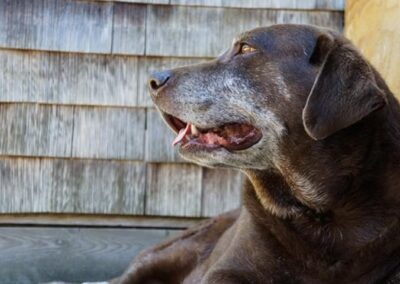
Now, they take their time getting up.
They hesitate before climbing the stairs. They stop more often during walks. And those playful jumps onto the couch? They don’t happen as often anymore.
It’s tempting to blame these changes on age.
But here’s something every dog owner needs to understand: Getting older doesn’t automatically mean your dog has to live with pain.
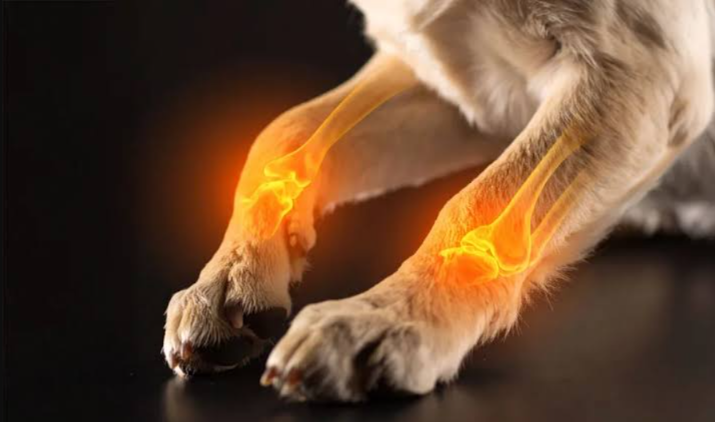
Sometimes, what looks like an ordinary part of aging is actually a sign of joint trouble.
And recognizing those signs early could make a meaningful difference in your dog’s comfort and quality of life.
11 Warning Signs Your Dog May Have Joint Problems
Dogs can’t tell us when their hips ache or their knees hurt. Worse, many dogs hide their discomfort until it begins affecting their everyday activities.
According to Hill’s Pet, joint problems can produce several subtle changes that owners might easily overlook. Read Hill’s guide to joint problems in dogs.
Watch for these warning signs:
1. Difficulty getting up. Your dog seems stiff or struggles to rise after lying down.
2. Slower walks. They lag behind or need more breaks than they used to.
3. Reluctance to climb stairs. Activities that once seemed effortless suddenly become challenging.
4. Avoiding jumps. Your dog hesitates before getting into the car or onto furniture.
5. Limping or stiffness. Their movements look uncomfortable, especially after resting.
6. Less interest in play. Favorite games no longer excite them as much.
7. Sleeping more. Your dog becomes less active throughout the day.
8. Increased irritability. They may growl, flinch, or react differently when touched around a painful area.
9. Excessive licking. Your dog repeatedly licks a particular joint or leg.
10. Changes in running. Some dogs develop an unusual hopping gait, sometimes called bunny-hopping.
11. Muscle loss or swollen joints. You may notice reduced muscle around the legs or changes in the size and shape of a joint.
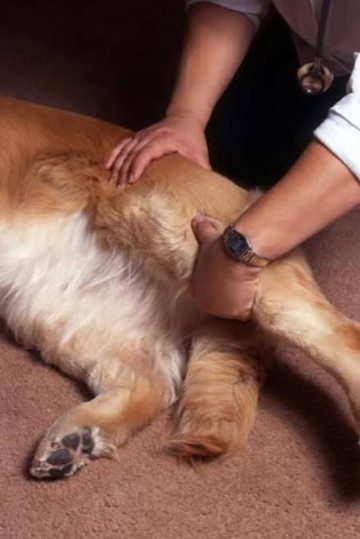
One sign alone doesn’t confirm arthritis. However, persistent changes in movement or behavior deserve attention from your veterinarian.
What Causes Joint Pain in Dogs?
Joint problems aren’t limited to senior dogs.
Some develop because of wear and tear over time. Others begin when a joint doesn’t develop correctly or becomes damaged by an injury.
Osteoarthritis is a common cause. It occurs when protective cartilage deteriorates, contributing to inflammation, pain, and reduced mobility.
Other potential causes include hip dysplasia, elbow dysplasia, ligament injuries, previous trauma, and certain inflammatory diseases.
Excess weight can make matters worse. Every additional pound puts more stress on joints that may already be struggling.
That’s why maintaining a healthy body weight is one of the most important steps owners can take to support their dogs’ mobility.
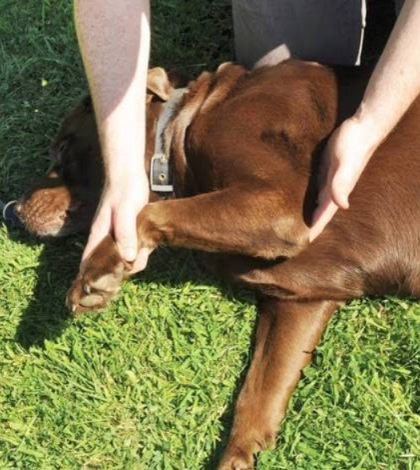
What Can You Do to Help Your Dog?
The good news is that a joint problem doesn’t automatically mean the end of walks, playtime, or comfortable afternoons together.
With veterinary guidance, many dogs can enjoy a better quality of life through an individualized treatment plan.
Start with a veterinary examination.
If your dog is moving differently, schedule an appointment rather than assuming the problem is simply age. Your veterinarian can investigate the cause and recommend appropriate treatment.
Help your dog maintain a healthy weight.
If your dog is overweight, ask your veterinarian to establish a safe weight-management plan. Reducing excess weight can ease stress on the joints and improve mobility.
Choose appropriate exercise.
Gentle, controlled walks and other veterinarian-approved low-impact activities can help maintain muscle strength and joint movement. Avoid forcing your dog to continue when they appear uncomfortable.
Discuss pain management.
Depending on the diagnosis, your veterinarian may recommend prescription medication, rehabilitation, therapeutic nutrition, or selected joint supplements. Never give your dog human painkillers without veterinary direction; some can be dangerous or fatal to dogs.
If your dog suddenly cannot stand, refuses to put weight on a leg, or develops significant swelling or severe pain, seek veterinary care promptly.
Don’t Ignore the Little Changes
Your dog may never complain about aching joints.
They may simply stop jumping onto the bed. Shorten their walks. Or quietly spend more time lying beside you instead of following you around the house.
Those changes can be easy to miss when life gets busy.
But paying attention could help you recognize a problem before your dog’s mobility declines further.
Because your dog doesn’t need to run as fast as they did years ago to enjoy life.
They deserve to get up comfortably, explore the yard, take peaceful walks, and stay close to the people they love.
If your dog is slowing down, don’t automatically assume it’s old age. Find out why—and give them the chance to feel better.