For some dogs, a trip to the veterinarian is just another car ride.
For others, the moment they recognize the clinic, everything changes.
Their tails tuck between their legs. Their bodies tremble. Some try to hide beneath their owner’s chair, while others pull desperately toward the exit.
And who can blame them?
Think about it from your dog’s perspective.
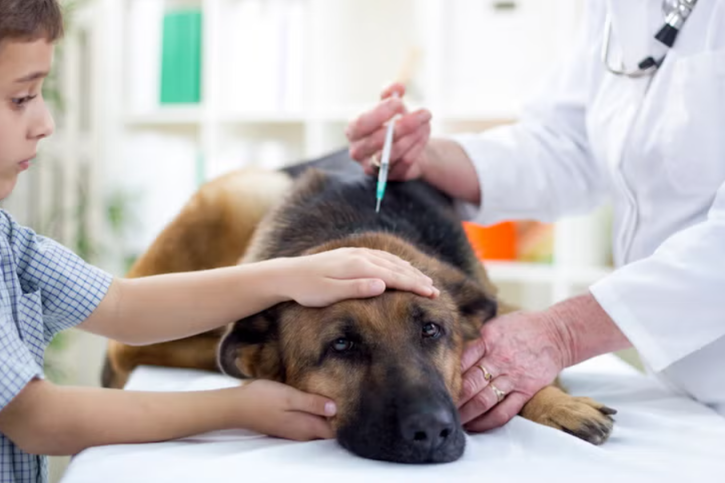
The unfamiliar smells, strange sounds, unfamiliar people, and uncomfortable examinations can make a veterinary clinic feel like a frightening place.
Unfortunately, regular checkups are something every dog needs.
Avoiding appointments isn’t an option, but making them less stressful is something every owner can work toward.
The good news? A few simple changes at home and some thoughtful preparation can help your dog feel much more comfortable during future visits.
1. Get Your Dog Comfortable With Being Touched
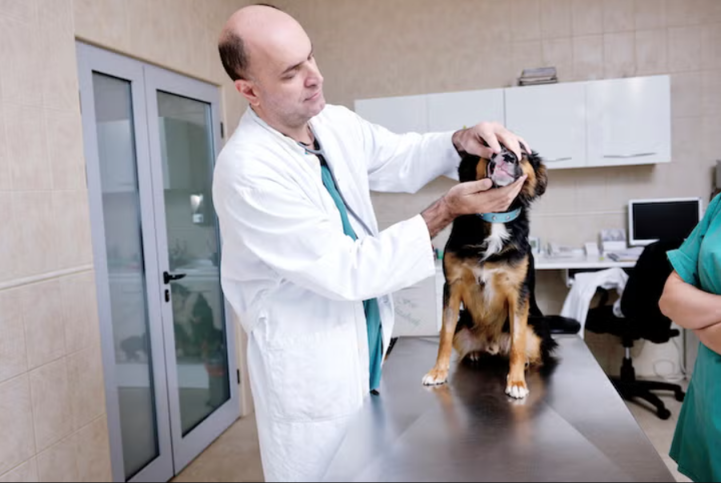
One of the easiest ways to prepare your dog for a veterinary examination is to practice gentle handling at home.
Veterinarians regularly need to examine a dog’s ears, paws, mouth, belly, and tail. If your dog isn’t accustomed to being touched in these areas, the experience can feel overwhelming.
Start by gently touching different parts of your dog’s body during relaxed moments.
Offer plenty of praise and small treats to make the experience enjoyable. Gradually introduce movements that resemble an examination, such as gently holding a paw or lifting an ear.
For dogs that dislike being touched, take things especially slowly. Pair each small interaction with a reward, allowing your dog to become comfortable before moving to the next step.
The goal is simple: Help your dog learn that being handled doesn’t have to be something scary.
2. Teach a Few Helpful Commands
Basic training can make a surprisingly big difference during veterinary appointments.
For example, teaching your dog to stand on command can make examinations easier for everyone.
You can also teach a reliable stay command, allowing your dog to remain in position while the veterinarian checks them.
Another useful trick is teaching your dog to go to a familiar mat or bed. Bring that mat along during appointments so your dog has something familiar to stand or lie on.
You can even teach a simple nose-touch command, encouraging your dog to touch their nose to your open palm.
This gives you a positive way to guide their attention and redirect them during uncomfortable moments.
These small skills may seem ordinary at home, but they can become incredibly useful inside a veterinary clinic.
3. Make the Veterinary Clinic a Happy Place
Here’s something many dog owners don’t think about: Your dog doesn’t have to visit the veterinarian only when something is wrong.
If every trip involves injections, examinations, or unpleasant experiences, your dog may eventually associate the clinic with something frightening.
Ask your veterinarian whether you can occasionally bring your dog in for a short, friendly visit.
With the clinic’s permission, let your dog explore the lobby, meet friendly staff members, and enjoy a few delicious treats.
Over time, those positive experiences can help change how your dog feels about the place.
The clinic becomes somewhere good things happen, rather than somewhere to fear.
4. Don’t Let Every Car Ride Mean a Vet Visit
Some dogs begin getting anxious before they even arrive at the clinic.
Why? Because they’ve learned that getting into the car usually means an appointment they don’t enjoy.
You can help change that association by taking your dog on enjoyable drives that have nothing to do with veterinary care.
Visit a dog-friendly park, take a short scenic drive, or enjoy another outing together.
When car rides become associated with positive experiences, your dog may become less anxious when it’s finally time for a checkup.
5. Bring Their Favorite Treats and Toys
Never underestimate the power of a favorite snack.
Bring plenty of small, tasty treats to your dog’s appointment. You can offer them during the examination to keep your dog distracted and create positive associations with the experience.
Ask the veterinary staff if they can offer treats, too.
A familiar toy can also provide comfort or redirect your dog’s attention during certain procedures.
For particularly anxious dogs, ask your veterinarian whether pheromone products or calming treats might be appropriate.
You can also request an appointment during a quieter time when the waiting room is less crowded.
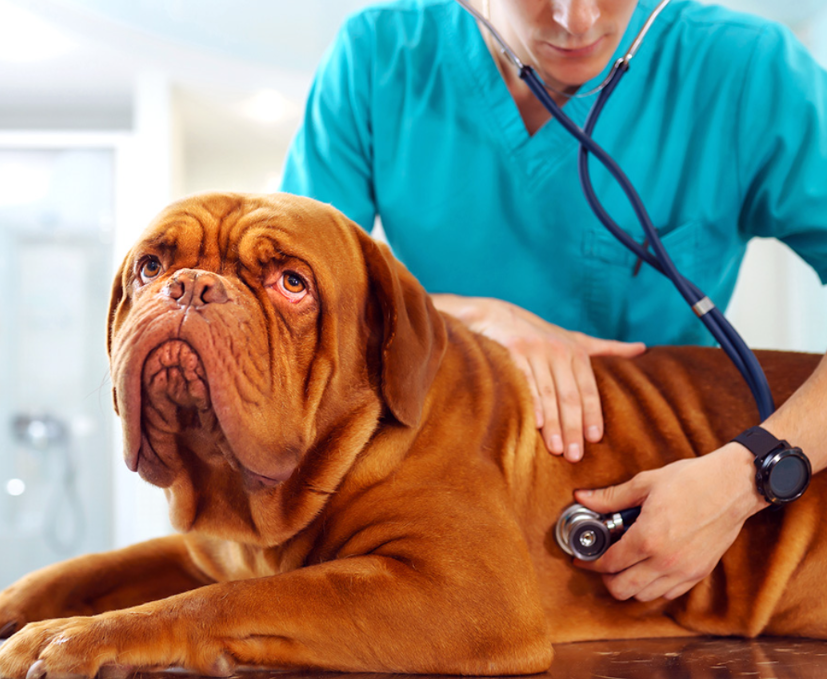
6. Talk to Your Veterinarian About Serious Anxiety
Some dogs experience more than ordinary nervousness.
They may tremble uncontrollably, panic, resist handling, or become extremely distressed before an examination even begins.
If that’s happening with your dog, don’t simply assume they’ll eventually get used to it.
Talk to your veterinarian about ways to make appointments more manageable. Your vet can discuss appropriate options based on your dog’s individual needs.
The important thing is making sure your dog receives necessary medical care without experiencing unnecessary distress.
A Little Preparation Can Make a Big Difference
Our dogs depend on us for almost everything, including their health.
And while we can’t always explain why a veterinarian needs to examine them, we can help make those experiences less frightening.
A little practice with handling, a few positive training exercises, occasional happy visits, and some favorite treats can go a long way.
Because taking care of our dogs isn’t just about getting them to the veterinarian.
It’s about helping them feel safe while they’re there.
After all, they trust us to look after them. The least we can do is make the experience as comfortable as possible.