Those puppy-dog eyes are hard to resist.
Your dog sits beside you while you’re eating. Their tail starts wagging the moment you reach for the treat jar.
And before you know it, you’ve handed over another little snack just because seeing them happy makes your day.
After all, what’s the harm in giving your best friend a few extra treats?
As it turns out, quite a bit can happen when those little rewards become too frequent.
Dog treats can be a wonderful part of your pet’s life. They help with training, strengthen the bond between dogs and their owners, and give us an easy way to show affection.
But there’s an important difference between rewarding your dog and accidentally overfeeding them.
Here’s what every dog owner should understand before reaching for that treat jar again.
Are Dog Treats Actually Good for Your Dog?
The short answer is yes!
When chosen carefully and given in moderation, treats can provide several benefits.
They’re especially useful during training.
Whether you’re teaching a puppy to sit, rewarding good behavior, or helping your dog learn a new command, a tasty reward can make the experience more enjoyable.
Treats also create positive associations. For example, offering a small snack after nail trimming or a veterinary examination can help your dog become more comfortable with experiences they might otherwise dislike.
And let’s be honest: Sometimes, we simply want to make our dogs happy.
There’s nothing wrong with that. Sharing a little something special can be part of the wonderful relationship we have with our pets.
The key is knowing when enough is enough.
The 10% Rule Every Dog Owner Should Know
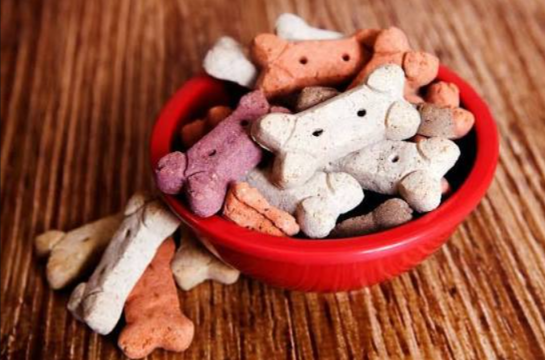
One of the most important guidelines from veterinarians is that treats should make up no more than 10% of a dog’s recommended daily calorie intake.
The remaining 90% should come from a complete and balanced diet.
Why does this matter?
Because those seemingly harmless snacks add calories, even when they’re small.
Imagine giving your dog several treats throughout the day, rewarding them during training, and then offering another snack before bedtime.
Individually, each treat might seem insignificant. But together, they can add up surprisingly quickly.
Over time, excessive calories can contribute to weight gain and obesity.
That extra weight can put unnecessary pressure on your dog’s joints, worsen arthritis, and make everyday activities more uncomfortable.
Obesity is also associated with serious health concerns, including diabetes, heart disease, and pancreatitis.
So before giving your dog another snack, consider how many they’ve already enjoyed that day.
What Makes a Healthy Dog Treat?
Not all treats are created equal.
Some are packed with unnecessary fillers, excessive fat, or high amounts of sodium.
Others contain simpler ingredients that make them a better choice for everyday rewards.
When shopping for dog treats, look for products with straightforward ingredient lists and appropriate nutritional information.
Small, bite-sized training treats are particularly useful because you can reward your dog several times without adding too many calories.
You can also choose treats based on your dog’s age and individual needs.
Puppies often benefit from small training rewards while learning basic commands.
Adult dogs can enjoy appropriately portioned biscuits as occasional rewards.
Senior dogs may need softer treats that are easier to chew, especially if they have sensitive teeth or dental problems.
For older companions, food puzzles such as stuffed Kong toys can also provide mental stimulation while making snack time more interesting.
Healthy Alternatives Your Dog Might Love
Here’s something many owners overlook: You don’t always need expensive packaged treats to reward your dog.
Certain fruits and vegetables can make excellent occasional snacks.
Some options include:
- Carrots: Crunchy, low-calorie snacks that many dogs enjoy.
- Green beans: A simple vegetable option when served plain.
- Blueberries: Small, naturally sweet treats.
- Bananas: A tasty snack when offered in small portions.
Of course, even healthy alternatives contain calories and should be included in your dog’s daily treat allowance.
You can also use a portion of your dog’s regular kibble as training rewards. Simply adjust their regular meals to account for the food you’ve already given throughout the day.
Treats You Should Never Give Your Dog
Some foods should never find their way into your dog’s treat bowl.
Chocolate, grapes, raisins, onions, and garlic can be toxic to dogs and may cause serious health problems.
You should also avoid regularly giving your dog fatty table scraps, heavily salted snacks, fried foods, and sugary baked goods.
Even cookies and cupcakes specifically made for dogs should be occasional celebrations rather than everyday rewards.
When you’re unsure whether something is safe, check with your veterinarian before offering it.
The Best Treat Is One That Keeps Them Healthy
Our dogs don’t understand calorie limits or nutritional guidelines.
They simply know that something delicious came from the person they love.
And that’s why it’s our responsibility to make smart choices for them.
You don’t have to stop giving treats or feel guilty about rewarding your furry companion.
Just pay attention to portions, choose appropriate ingredients, and remember that treats should complement a balanced diet rather than replace it.
Because making your dog happy is important.
But keeping them healthy enough to enjoy many more happy years beside you?
That’s an even greater gift.