
Training a dog can feel like trying to decode an alien language. Sit. Stay. Heel. Why isn’t Spot doing these things?
Is it stubbornness? A lack of respect? Usually not. What dogs crave—what makes them shine—is positive reinforcement.
It’s one of the gentlest, most effective ways to build trust and teach good behavior without fear, shame, or confusion.
What Is Positive Reinforcement, Anyway?
Positive reinforcement means this: when your dog does something you like, you add something good immediately.
A treat. A toy. Praise. Anything the dog loves. That “something good” makes them more likely to repeat the action.
The word “positive” doesn’t mean “good” in a moral sense. It just means you are adding, not subtracting.
No punishment. No fear. Just rewards.
Compare that to negative reinforcement: you subtract something unpleasant when the dog does the right thing.
Both methods make behaviors stronger—but negative reinforcement often involves discomfort, fear, or forced compliance.
And that’s a slippery slope for your dog’s trust.
Why You Want Positive Reinforcement
There’s solid, science-backed proof that dogs trained this way learn faster, retain lessons longer, and are less stressed.
When training builds on reward rather than intimidation, dogs are more willing. They want to be around you.
And surprisingly, the behaviors you practiced in calm conditions tend to stick in busier, “real life” moments—if done right.
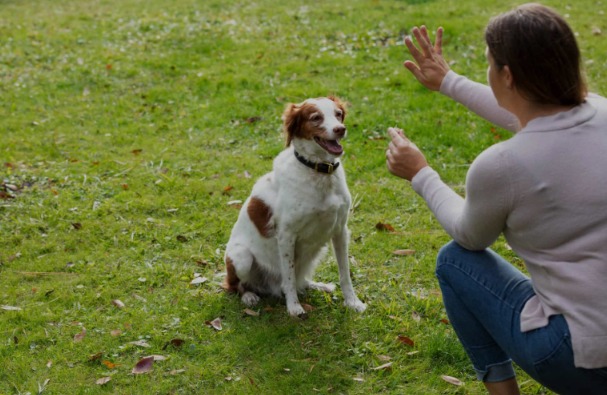
How to Use It Like a Pro
Here are the steps that make positive reinforcement work:
Pick a Behavior You Want – “Sit,” “Stay,” “Come”—start small. Ask for one thing, reward every time they do it. If “sit” isn’t happening, maybe just reward your dog for looking like they might sit.
Choose What Rewards Motivate Them – Some dogs are food-motivated. Others go crazy for tug toys, belly rubs, or fetch. Find out what your dog loves. Reinforcers must be super desirable.
Mark the Moment – This is where clickers or consistent cues shine. The moment the dog does the thing you asked (like sitting), mark it—click, say “Yes!”, etc.—then immediately give the treat. This teaches the dog exactly which behavior earned the reward.
Be Consistent – Ask the same way. Reward the same way. Do it often. If you’re teaching “sit,” ask for “sit” using the same word, same tone. If it’s done right, “sit” happens more often. If not, odds are something about your setup is wrong.
Keep Sessions Short and Fun – Five to ten minutes is perfect. Longer training sessions often lead to fatigue, frustration (for dog and human), and mistakes. End on a high note so your pup is eager for the next lesson.
Practice in Different Contexts – A dog may perform perfectly at home—but barks at every stranger on a walk. Train in calm places first, then gradually add distractions. That way, training generalizes to real life.

Where Positive Reinforcement Beats Balanced or Punishment Training
Balanced training mixes rewards with aversive tools or punishment. On paper, it seems logical.
On dogs? Not so much. Studies show balanced training can come with side effects: increased fear, anxiety, reduced trust, and sometimes aggression.
Positive reinforcement methods avoid those pitfalls. They build confidence. They foster curiosity. They keep your dog wanting to learn—with you.
Final Thoughts
Here’s the bottom line: if you want a dog who listens without fear, who looks forward to your praise instead of dreading correction, positive reinforcement is the way.
It takes patience. It takes noticing the small wins. It demands consistency. But above all, it demands love.
Start today. Pick one simple behavior. Reward it every time. Use that marker. Celebrate the tiniest progress. Your dog will learn.
You’ll deepen your bond. And the training journey? It expands into something beautiful—trust worthy and joyful.
Because in the end, training isn’t about commands.
It’s about connection. And with positive reinforcement, that connection becomes the foundation your dog builds their best life on.




I don’t think the title of your article matches the content lol. Just kidding, mainly because I had some doubts after reading the article.
Took me back a step or two on an assumption I had been making, and a stop at firstisnotequallast pushed that reconsideration further, writing that gently corrects the reader without being aggressive about it is a rare diplomatic skill and the team here clearly knows how to land critical points without turning readers off.