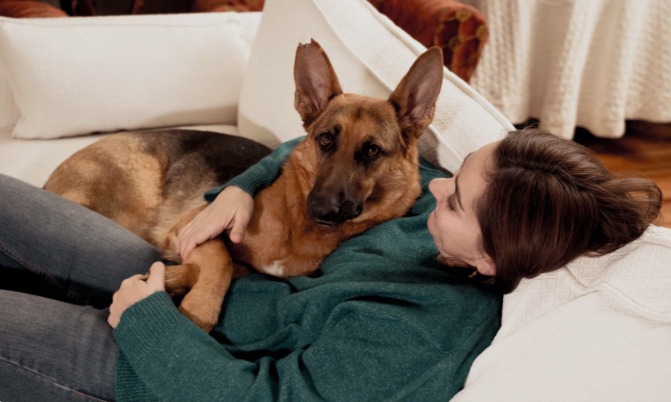
Bringing a dog into your home is an exciting, life-changing experience. But it also comes with responsibilities.
A dog’s curiosity, energy, and instinct to explore can quickly turn into accidents or dangerous situations if your environment isn’t properly prepared.
By establishing a safe, structured space for your dog, you are not only protecting them physically, but also supporting their mental well-being and training.
Here’s a detailed guide to creating a safe environment for your canine companion.
- Preparing Your Home: Remove Hazards and Clutter
Dogs explore the world with their noses—and their mouths. Anything they can reach can potentially become a hazard.
The first step in creating a safe environment is a thorough sweep of your home.
Remove breakable objects, secure trash cans with lids, and keep small items, electrical cords, and toxic substances out of reach.
Think like a dog: what could be tempting or harmful? Cleaning up clutter is more than aesthetic—it’s preventative.
Items such as household cleaners, medicines, chocolate, grapes, and xylitol-containing products should be stored securely.
This ensures your dog cannot accidentally ingest anything harmful, reducing stress for both you and your pet.
- Designate a Safe Zone
Dogs thrive in spaces that feel predictable and secure.
Establish a “safe zone” for your dog—an area free of hazards, where they can relax or play without constant supervision.
This could be a specific room, a crate, or an exercise pen.
During the first few weeks, limit your dog’s access to other parts of the house until they are familiar with rules and boundaries.
A safe zone provides a controlled environment where your dog can build confidence and understand what is expected of them.

- Indoor Boundaries: Teaching Limits
Teaching your dog boundaries indoors helps prevent accidents and sets the stage for overall discipline. Start with areas that are off-limits, like the kitchen or dining room.
Using tools like baby gates or leashes can guide your dog until they learn the rules.
Reward your dog when they respect boundaries, and consistently reinforce limits.
Over time, your dog will understand which areas are safe to explore and which are restricted, creating a predictable and stress-free environment.
- Outdoor Safety: Protecting Your Yard
Even fenced yards require supervision. Dogs can find ways around or through barriers, encounter toxic plants, or access objects that could injure them.
Introduce your dog to the yard gradually, using a long leash to guide them while they learn limits.
Select a consistent potty area and reward your dog for using it.
Ensure surfaces are safe—avoid sharp gravel or broken pavement—and remove hazards like garden chemicals, sharp tools, or toxic plants.
Outdoor boundaries are critical for building safety and confidence in unsupervised areas.
- Introductions to Other Pets
If you have other animals, introductions should be structured and gradual. Each pet needs its own safe zone, food, and resting area, especially during the first weeks.
Supervised interactions prevent territorial disputes and create positive associations.
Providing personal space for each pet ensures that every member of the household feels secure, reducing stress and promoting harmony.
- Food and Medication Safety
Proper storage of food and medications is vital. Keep dog food, treats, and any human medications in cabinets or containers that your dog cannot access.
Ingesting human food, especially chocolate, caffeine, or xylitol products, can be extremely dangerous.
Safe storage protects your dog and prevents emergency situations.
Consistent routines for feeding and medication also create predictability, which dogs find comforting.
- Crates, Tie-Downs, and Supervision
A dog shouldn’t be left unsupervised in an unsafe environment.
Crates, tie-downs, and exercise pens provide controlled spaces that prevent accidents while giving your dog a safe place to rest.
Use these tools as positive support, not punishment. Pair confinement with comfort items like soft bedding or toys, and provide water and access to a bathroom area.
Over time, your dog will associate these spaces with security and relaxation.
- Regular Cleaning and Maintenance
Even in a safe environment, dogs make messes. Clean accidents promptly using pet-safe products to prevent disease and maintain hygiene.
Wash bowls regularly and inspect toys for damage. A well-maintained environment reduces the risk of infection and prolongs the life of your dog’s belongings.
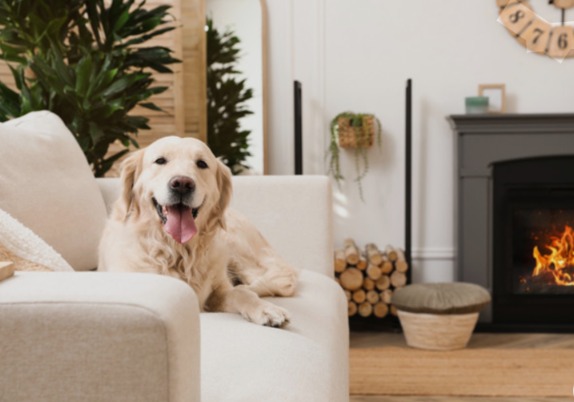
- Consistency is Key
Dogs learn through repetition and structure. Establishing boundaries, routines, and safe zones requires consistency.
Inconsistent rules or supervision can confuse your dog and compromise safety. Every family member should reinforce the same rules to create a unified approach.
- The Bigger Picture: Building Trust and Confidence
Creating a safe environment is about more than preventing accidents. It teaches your dog where they belong, what is allowed, and how to navigate their surroundings confidently.
A well-prepared home encourages good behavior, reduces anxiety, and strengthens the bond between you and your pet.
When your dog feels secure, they are more relaxed, more obedient, and more confident exploring their world.
This foundation sets the stage for successful training, socialization, and a lifetime of happy companionship.
Conclusion
A safe environment is the cornerstone of responsible dog ownership.
By identifying hazards, designating safe zones, teaching boundaries, and supervising effectively, you create a home that nurtures your dog’s well-being and supports their learning.
Safety, structure, and consistency aren’t just rules—they’re tools to build trust, confidence, and a harmonious life together.
Plan ahead. Protect your dog. And watch as they thrive in a home built just for them.

Thank you for your sharing. I am worried that I lack creative ideas. It is your article that makes me full of hope. Thank you. But, I have a question, can you help me?
Your point of view caught my eye and was very interesting. Thanks. I have a question for you. https://www.binance.com/lv/register?ref=SMUBFN5I
Новейшие сайты для взрослых предлагают инновационный
контент для развлечений для взрослых.
Откройте для себя надежные свежие сайты для современного опыта.
Here is my web page смотреть трансгендерное порно
Can you be more specific about the content of your article? After reading it, I still have some doubts. Hope you can help me. https://www.gate.com/share/XwNAUwgM
Thanks for sharing. I read many of your blog posts, cool, your blog is very good.