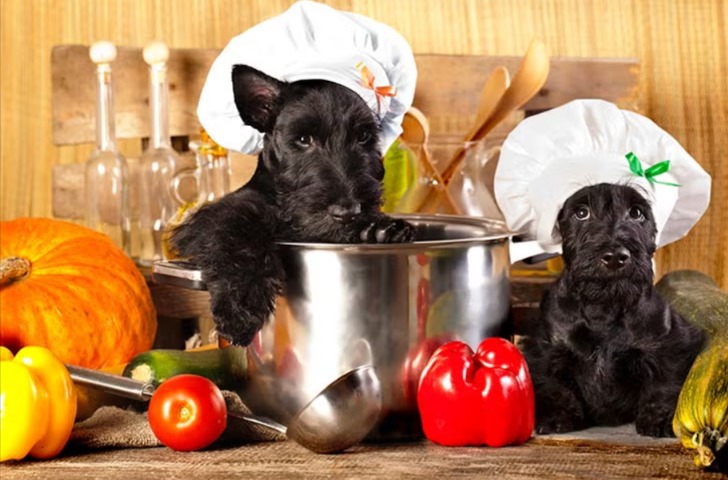
Most of us love treating our dogs. Those little moments when they sit, stare, tail wagging, waiting for their reward — that look is priceless.
But store‑bought treats can be expensive, sometimes full of unnecessary additives, and often more “for humans who pet dogs” than truly dog‑healthy.
That’s where homemade dog treats become a powerful option. With a bit of prep, care, and knowledge, you can make safe, tasty treats — treats you trust — right in your kitchen.
Why Many Dog Owners Go DIY
Making treats at home does more than save money. It gives you full control over what goes into your dog’s mouth. You choose the ingredients.
You know there’s no hidden salt, sugar, preservatives, or unsafe flavoring.
Especially for dogs with allergies, sensitive digestion, or special dietary needs, DIY treats let you tailor snacks to what you know is safe.
For training too — small, soft treats are ideal. You can bake large batches, cut them into tiny pieces, and use them during walks or sessions without worrying whether they’re too rich.
What Makes a Good Dog Treat (and What to Avoid)
Safe, Dog‑Friendly Ingredients
If you bake for your dog, some ingredients are almost always a safe bet. Things like:
- Pumpkin puree, plain (not pie‑filling)
- Plain cooked meats — chicken, turkey, lean beef (well-cooked, no bones)
- Eggs (fully cooked)
- Oats, plain flour or grain‑free flours like tapioca flour (some recipes use a mix)
- Plain, unsweetened applesauce or mashed sweet potato
- Fruits/veggies that dogs digest well (in moderation): apples, blueberries, carrots, pumpkin, etc.
Recipes often combine these basics for cookies, soft treats, or even frozen snacks.
For example, simple “pyramid pan” treats can be made from tapioca flour, eggs, and pumpkin or meat, then baked — perfect for training bites.
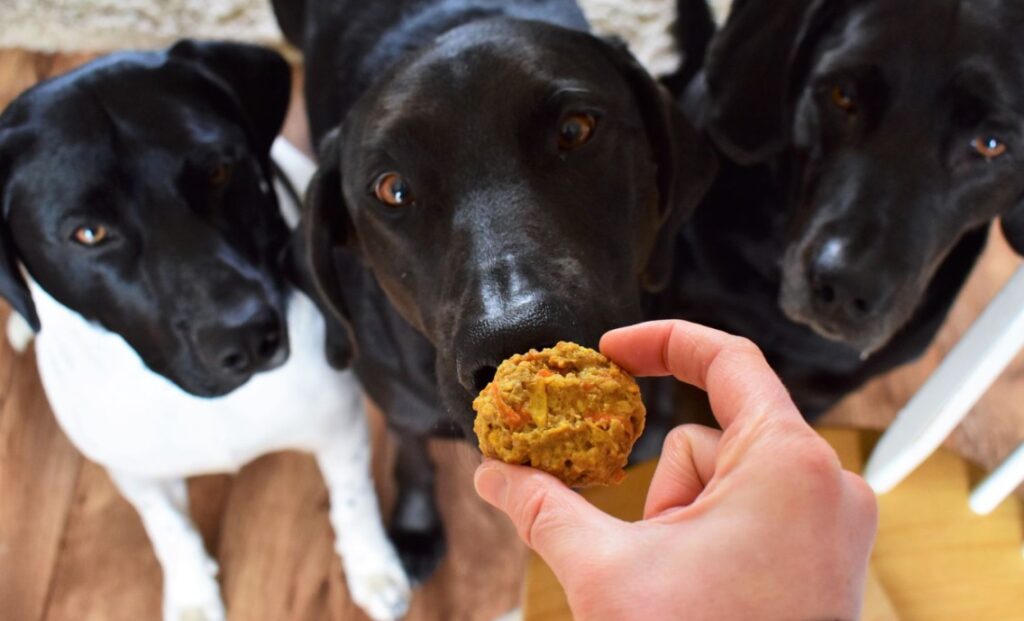
Ingredients & Mistakes to Avoid
But the “just any human food works” idea can be dangerous. Dogs metabolize differently than humans. Some common human‑food ingredients are outright harmful:
- Chocolate, grapes/raisins, onions, garlic — all toxic.
- Xylitol — a sweetener sometimes found in peanut butter or sugar‑free foods; it can be deadly for dogs.
- Too much fat, salt, seasoning, or sugar — these can irritate digestion, cause obesity, or lead to pancreatitis.
- Undercooked meat or eggs — can carry bacteria like Salmonella, which pose risks to your dog.
Beyond ingredients: treats should never replace balanced, full‑meal dog food. Treats are extras — not the foundation.
Many vets and pet‑nutrition guidelines say treats (homemade or store‑bought) should make up no more than 10% of your dog’s daily calorie intake.
Easy Homemade Treat Ideas to Try
Here are a few simple, vet‑approved treat ideas that are popular — and relatively safe, when prepared right.
Classic Peanut Butter & Flour Bites
- 2 eggs, beaten
- ½ cup plain peanut butter (verify no xylitol)
- ½ cup grain flour + ½ cup tapioca flour (or other dog‑safe flour)
- Water to adjust consistency
Mix, pour into molds or flatten and cut small pieces, bake (~12 minutes at 350 °F). Good for small/bite‑sized training treats.
Pumpkin & Oat Dog Cookies
- 1 cup pumpkin puree (plain)
- 1 cup rolled oats or oat flour
- 1–2 eggs (or just one, if you want softer treats)
- Optional: small amount unsweetened applesauce or grated carrot
Combine until dough forms, roll, cut, and bake until firm. Great as occasional snack or reward.
Frozen Chicken‑Yogurt Treats
- Cooked, chopped lean chicken (skinless & boneless)
- Plain, unsweetened yogurt (dog-safe, no xylitol or flavorings)
- Grated carrot or small diced veggies (optional)
Mix gently, spoon into ice‑cube trays or mold, freeze. Perfect for warm days or quick cool treats. Similar to vet‑approved frozen treats suggested for pups.
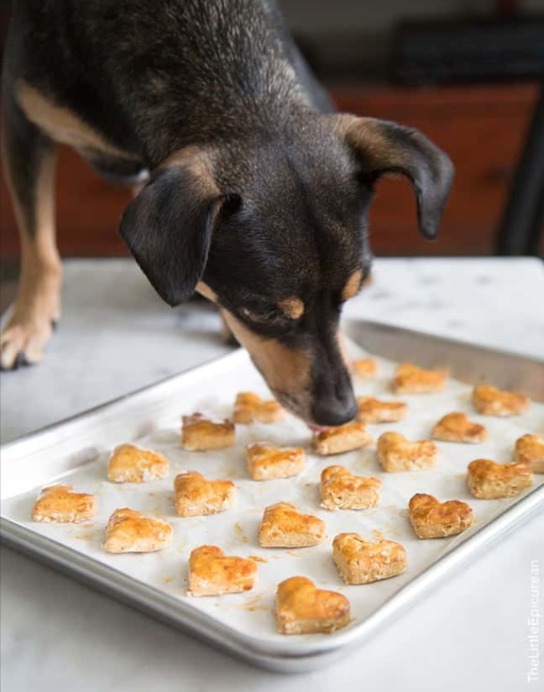
Tips for Safe, Smart Homemade Treat Making
Treat‑making isn’t rocket science — but a little care can go a long way.
- Always fully cook eggs and meats. Raw or undercooked is risky.
- Wash hands and utensils thoroughly before and after — dogs can get foodborne illnesses too.
- Moderation is key — treat calories add up. Keep treats small and infrequent if they’re not part of your dog’s main diet.
- Store properly — homemade treats lack preservatives, so store in airtight containers, refrigerate or freeze if needed, and discard if mold or spoilage appears.
- Watch for reactions — when you give a new treat for the first time, monitor your dog’s digestion and energy. If they have allergies or sensitive stomachs, check with your vet first.
Is Homemade Treats Right for Your Dog?
If your dog is healthy, you have time, and you don’t mind a bit of kitchen mess, homemade treats can be a wonderful addition to life together.
They are affordable, customizable, often healthier than store-bought snacks — and dogs tend to appreciate the extra love baked into them.
But — and this is important — homemade treats must be done responsibly. They aren’t magic.
They won’t replace a full diet, and they have their risks if done poorly.
For dogs with medical issues, allergies, or special diets, homemade treats should be introduced with guidance from your vet.
In the end, it’s not about whether homemade treats are “better” than store treats.
It’s about giving your dog safe, wholesome extras — and knowing exactly what’s going inside. That’s respect. That’s care. That’s love.
If you decide to try DIY treats — good on you.
May your kitchen smell like bacon (for pups’ sake), your treats be crunchy (or soft, if that’s their preference), and your dog wag their tail like the little grateful heart they are.
Related posts:
 Stop Letting Your Dog Go Stale—Hit the Trails and Transform Your Lives
 Four Feet, Warm Hearts & Health Perks: Why Volunteering with Animals Is So Good for You
 The Hidden Dangers in Leaf Piles (and How to Make Leaf Play Safe for Dogs)
 Don’t Just Trick or Treat — Throw a Halloween Bash for Your Dog (and Survive It)