If you could teach your dog just one skill—one single behavior that quietly fixes dozens of others—this would be it: getting your dog to look at you on cue.
Not sit.
Not stay.
Not heel.
Eye contact.
Because the moment your dog chooses you over the squirrel, the doorbell, the leash, or the chaos of the world—you’ve already won half the training battle.
Let’s break down why this works, why it’s so powerful, and exactly how to teach it in a way that sticks.
Why “Look at Me” Changes Everything
Dogs live in a sensory hurricane. Smells, sounds, motion—everything competes for their attention at once. When your dog doesn’t listen, it’s rarely defiance. It’s distraction.
Teaching your dog to look at you creates a reset button.
Eye contact says:
“I’m paying attention.”
“You’re my reference point.”
“Tell me what to do next.”
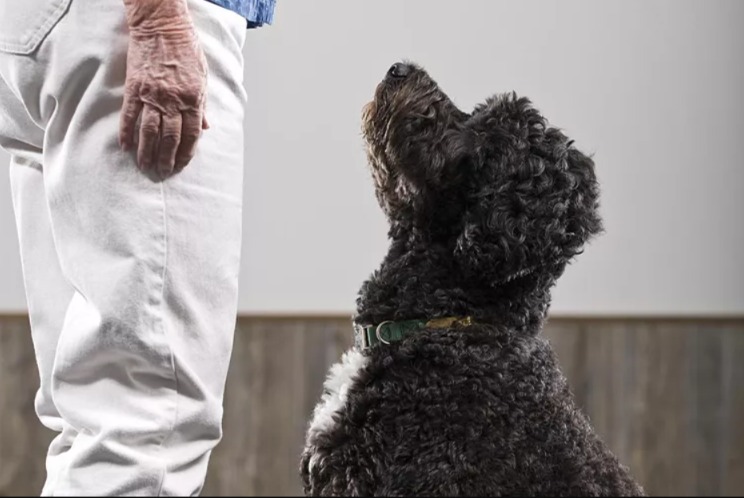
Once your dog learns that focusing on you leads to clarity, rewards, and safety, they start offering attention voluntarily. And when attention improves, everything else gets easier—loose-leash walking, recall, impulse control, even reactivity.
This isn’t obedience for obedience’s sake. It’s communication.
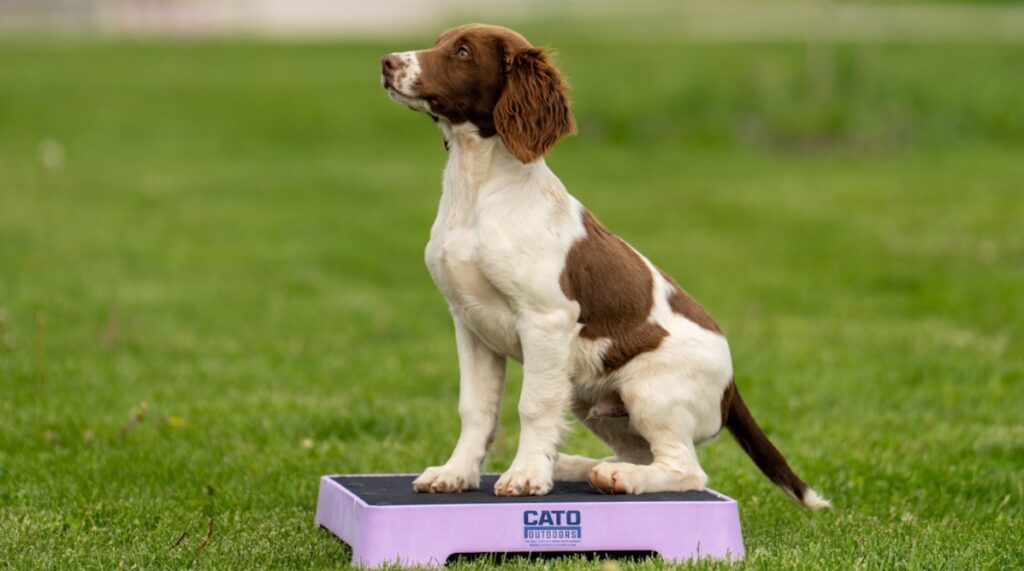
Step One: Make Looking at You Worth It
Dogs repeat behaviors that pay off. So the first rule is simple: eye contact must always be rewarding at the beginning.
Start in a quiet space—your living room, kitchen, or backyard. No distractions. No pressure.
Hold a treat at chest level. Don’t say anything. Just wait.
The moment your dog glances at your face—even for half a second—mark it with a calm “Yes” or a click, then immediately give the treat.
Timing matters more than duration. You’re rewarding the choice to look at you, not how long they hold it.
Repeat this several times. Your dog will start to catch on fast.
Soon, the glance becomes intentional.
That’s when the magic starts.
Step Two: Add the Cue
Once your dog is reliably offering eye contact, now you give it a name.
Right before you expect your dog to look at you, say your cue:
“Look”
“Watch me”
“Eyes”
Pick one and stick with it.
Say the cue once, calmly. When your dog looks at you, mark and reward.
If they don’t look? Don’t repeat the cue. Just wait it out. Repeating teaches your dog that the first request doesn’t matter.
Within a few short sessions, your dog will connect the word with the action—and the payoff.
Step Three: Build Duration Without Pressure
Now that your dog looks at you on cue, you gently stretch the time.
Ask for eye contact.
Wait one second.
Mark and reward.
Then two seconds.
Then three.
If your dog breaks eye contact, that’s okay. Just reset and try again. Training should feel like a game, not a test.
Short, successful reps beat long, frustrating ones every time.
Step Four: Take It on the Road
This is where most people rush—and where most training falls apart.
Distractions should be added gradually, not dumped on your dog all at once.
Move from:
Quiet room
To backyard
To front yard
To calm street
To busier environments
Every new setting lowers your dog’s ability to focus at first. That’s normal. Adjust your expectations and increase rewards when the environment gets harder.
If your dog can look at you near distractions, you’re not just training obedience—you’re teaching emotional regulation.
Why This Skill Solves So Many Problems
A dog that can look at you:
Checks in instead of lunging
Pauses instead of bolting
Thinks before reacting
Eye contact interrupts unwanted behavior before it escalates. It gives you a moment to redirect, reward, or guide your dog through a situation calmly.
That’s why trainers use this skill everywhere—from puppy classes to advanced behavior modification.
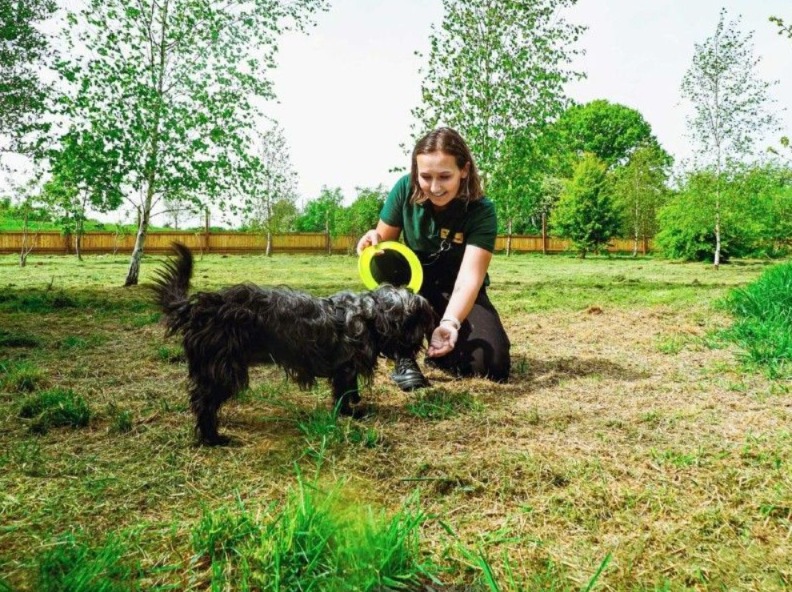
Common Mistakes to Avoid
Don’t stare your dog down. Some dogs find prolonged staring uncomfortable. Soft, relaxed eye contact is the goal.
Don’t ask for it when your dog is already over threshold. If your dog is barking, lunging, or panicking, focus on distance first. Attention comes after safety.
Don’t stop rewarding too soon. Even once the skill is learned, reinforcement keeps it strong.
The Bigger Picture
Teaching your dog to look at you isn’t about control. It’s about trust.
It’s about becoming the calm center in your dog’s world—the place they look when things feel uncertain, exciting, or overwhelming.
And once your dog learns that checking in with you is always a good idea?
You’ll start to notice something incredible.
They won’t wait to be asked anymore.
They’ll look at you on their own.
And that’s when training stops feeling like work—and starts feeling like a conversation.