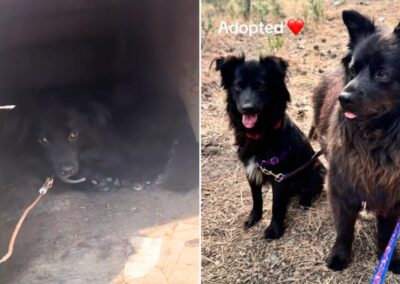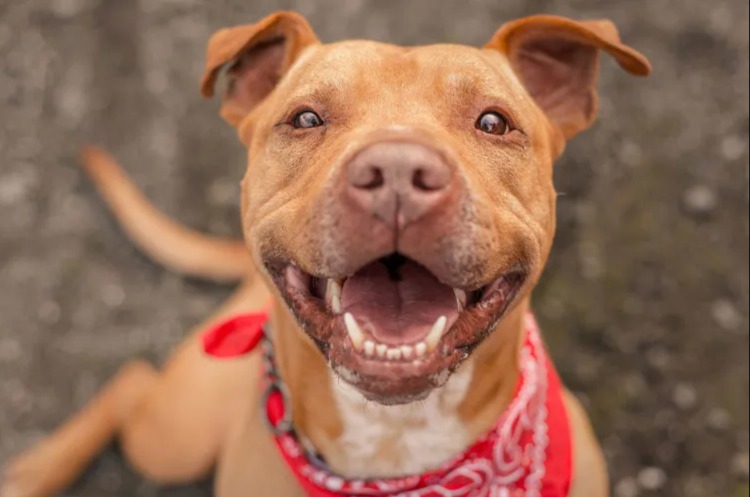
For nearly three decades, pit bulls, or “pit‑type” dogs, were banned in Prince George’s County, Maryland.
The 1997 ordinance made it illegal to own or adopt a pit bull, including many mixed breeds, leaving countless dogs in limbo and breaking the hearts of would‑be families.
The law was originally enacted to reduce public-safety risks, as pit bulls were often stereotyped as aggressive.
But over time, it became clear that the breed-specific ban was deeply flawed.
Identifying a pit bull by appearance alone proved unreliable, even for trained animal-control officers, and the law did little to prevent incidents involving dogs of any breed.
Despite the ban, pit bulls were still living in the county.
Estimates now put the number at 20,000 to 30,000, meaning thousands of dogs—many harmless and adoptable—were affected by restrictions that had little impact on actual safety.
The law also carried a high cost: roughly three million dollars annually were spent enforcing it, while shelters were forced to confine or even euthanize healthy dogs simply because of their breed.
Families who wanted to adopt a pit bull were out of luck, and the dogs themselves were often left without hope for a home.
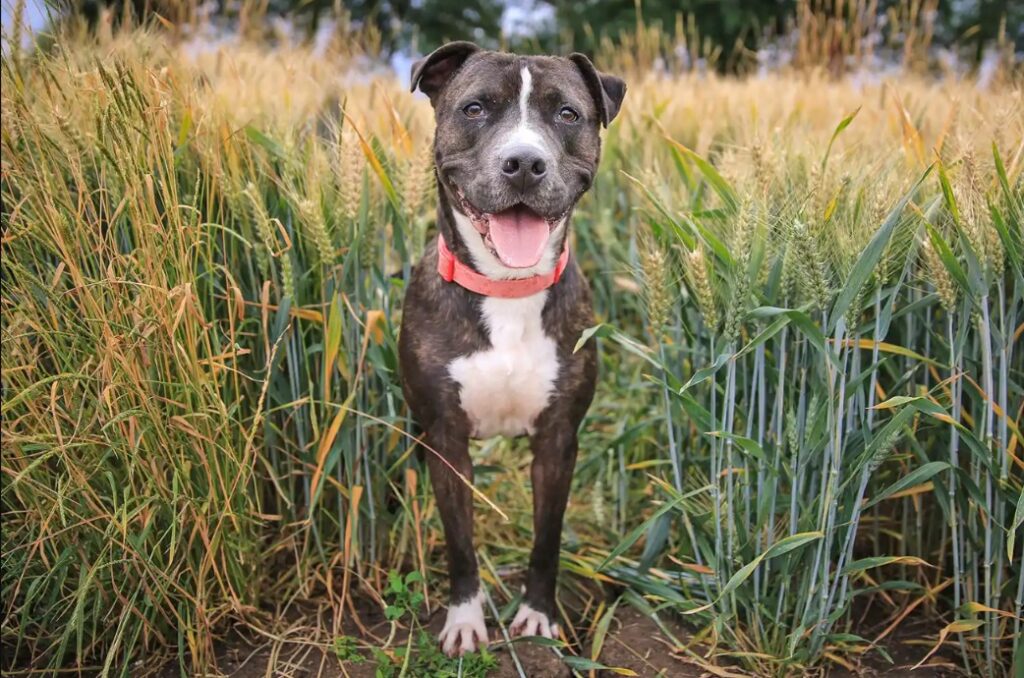
In November 2025, the county council voted unanimously, 7‑0, to overturn the ban, signaling a major shift in policy.
The new law replaces breed-specific restrictions with a focus on behavior and responsible ownership.
Owners of pit‑type dogs will now need permits, ensure their dogs are microchipped, vaccinated, spayed or neutered, and properly contained or leashed.
Dogs deemed dangerous, regardless of breed, will be subject to stricter penalties, and leash requirements will be enforced countywide.
This approach aims to protect public safety while giving dogs a fair chance to live in loving homes.
Advocates for the repeal say the new system is a win for fairness, public safety, and the thousands of dogs who have been misunderstood for decades.
By moving away from judging dogs by their looks and toward evaluating their behavior, the county is aligning with modern animal-welfare standards and acknowledging the failures of breed-specific legislation.
For shelters, this change offers hope: no longer forced to remove adoptable animals solely based on appearance, they can focus on matching dogs with suitable families.
Taxpayers also benefit, as millions of dollars previously spent enforcing a flawed law can now be redirected toward effective animal-welfare programs.
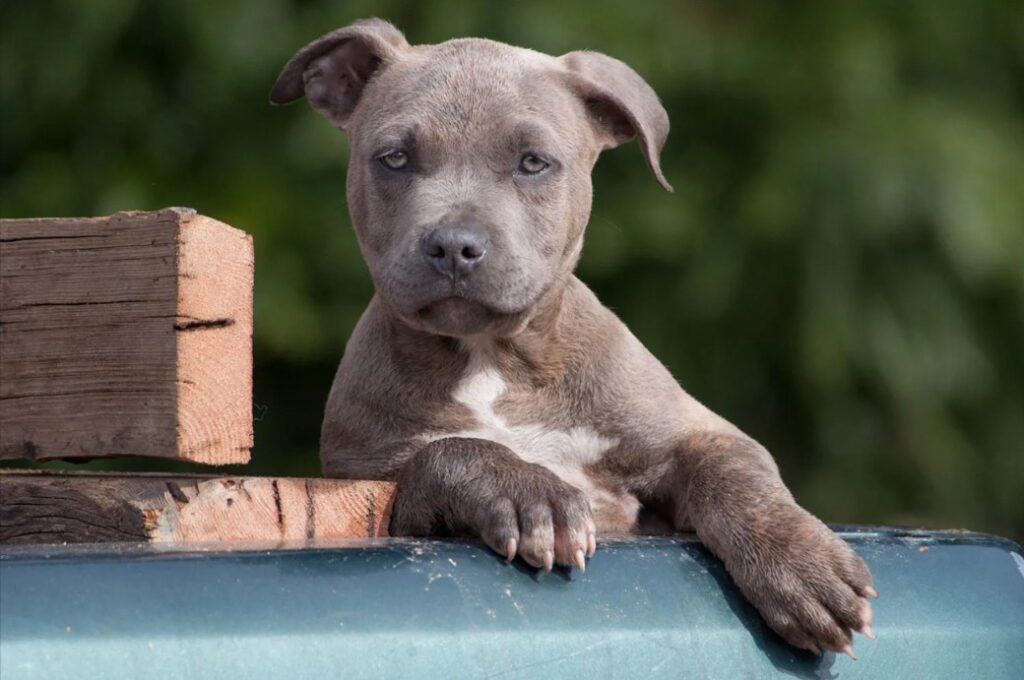
The repeal reflects a broader shift happening across the U.S., where growing awareness and research suggest that dog behavior, rather than breed, should guide policy.
Pit bulls, long stigmatized and misunderstood, now have a path to a second chance, and families in Prince George’s County can finally welcome these dogs into their homes legally and safely.
At its core, this change is about compassion and fairness. It recognizes that laws based on stereotypes hurt animals, their owners, and communities.
For thousands of pit‑type dogs, the repeal offers a chance at a leash, a loving home, and the kind of life they deserve.
For residents, it provides an opportunity to adopt responsibly while ensuring public safety.
After nearly 30 years, pit bulls in Prince George’s County are no longer outlaws—they are part of the community, ready to prove that with proper care and attention, every dog deserves a chance.