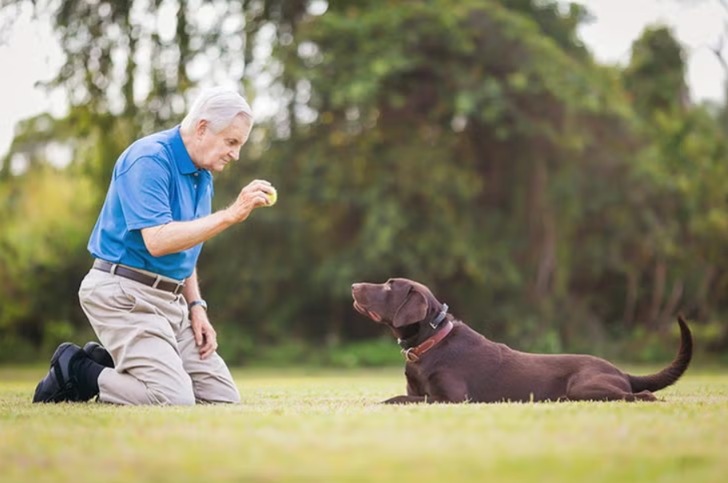
Teaching your dog to sit or stay is great — but there’s something uniquely magical about watching your dog perform a trick that truly turns heads. Advanced tricks are more than crowd‑pleasers; they deepen communication, strengthen your bond, and tap into your dog’s natural intelligence and athletic ability.
Whether you’re training for fun, fitness, or canine competition, these skills push both you and your dog to new levels of connection and confidence.
Here’s a friendly, motivating guide to some of the most exciting advanced tricks you can teach your dog, why they matter, and how to approach training so it’s successful — and joyful — for both of you.
Why Teach Advanced Tricks?
At first glance, tricks might seem like entertainment. But there’s a deeper purpose:
- Mental enrichment: Tricks kindle your dog’s brain like a puzzle. Dogs who learn new behaviors stay sharper and happier.
- Confidence building: Many advanced skills help dogs gain physical and emotional confidence — especially shy or sensitive dogs.
- Communication upgrade: Trick training strengthens your ability to communicate with your dog, reducing frustration for both of you.
- Stronger bond: The shared experience of learning something complex brings dogs and owners closer.
Most importantly, tricks should be fun. If either of you feels pressure, stop, reset, and come back to it with positive energy.
Foundations for Success
Before launching into ambitious moves, make sure your dog has these basic skills solidly in place:
- Reliable “watch me”/focus cue — critical for advanced work.
- Stable sit, down, and stay cues.
- Comfort with treats and hand signals.
- A calm, patient trainer (that’s you).
Use short sessions (5–10 minutes), always end on success, and keep high‑value treats ready. For many dogs, small tasty morsels — soft, smelly, easily chewable — work best.
Advanced Tricks to Try
1. Spin / Twirl
Everyone loves a dog that can twirl on cue.
How to teach: Hold a treat near your dog’s nose and slowly circle your hand in front of them. As they follow the treat, they’ll naturally spin. Mark (with a clicker or “yes!”) and reward when they complete the circle. Gradually add a verbal cue like “spin.”
Why it’s great: This trick enhances body awareness and coordination.
2. Roll Over
The classic crowd‑pleaser.
How to teach: Start with your dog in the “down” position. Move a treat from their nose toward their shoulder, encouraging them to drop onto their side. Slowly guide the treat so they roll the rest of the way. Reward each success.
Training tip: Only proceed when your dog feels comfortable rolling halfway; forcing can create resistance.
3. Play Dead (“Bang!”)
A theatrical trick with personality.
How to teach: From a down position, gently lure your dog onto their side with a treat. Once they’re relaxed on their side, mark and reward. Introduce the verbal cue and hand signal (like a finger gun). Gradually delay the reward so they hold the position longer.
Bonus: A calm “play dead” builds patience.
4. Weave Through Legs
A trick with real physical and mental engagement.
How to teach: Stand with your legs slightly apart. Guide your dog through the gap with a treat. As they learn the pattern, alternate sides. Add a cue like “weave” and phase out the lure.
Why it’s fun: It challenges rhythm, body control, and focus.
5. Pick Up Toys (Clean‑up Game)
A practical trick disguised as fun.
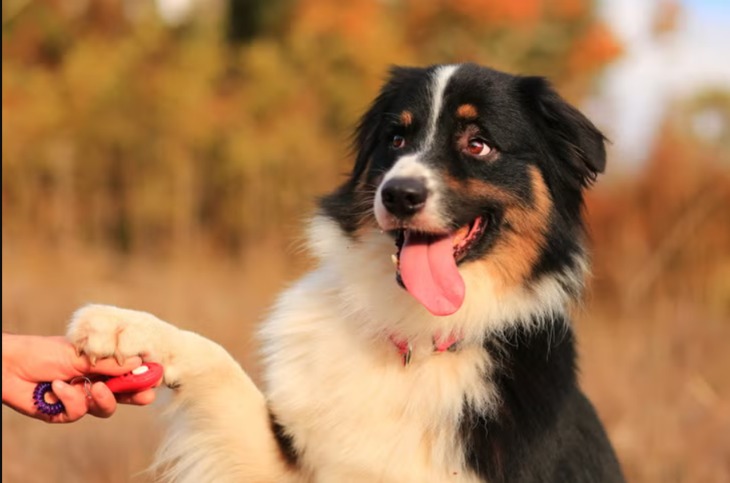
How to teach: Teach your dog to take a toy to you. Once they do it reliably, expand it into “pick up toy” and “put in basket.” Reward each step — especially the final drop‑off.
Real‑world joy: Suddenly toy mess = teamwork.
6. Skateboard Ride
This one’s advanced but iconic.
Steps:
- Desensitize your dog to the board’s feel. Reward calm behavior near it.
- Teach a “foot on board” cue with treats.
- Gradually encourage partial pushes with feet.
- Reward even small forward movement.
Safety note: Always use a stable, low board; never rush this trick.
Troubleshooting Tips
- Replace frustration with fun: If your dog freezes, go back a step they can do and reward that.
- Use tiny tiny rewards: Too big a treat can slow movement learning.
- Reward often early on: Frequent reinforcement builds confidence.
- Repeat daily, briefly: Consistency beats intensity.
A Final Thought
Advanced dog tricks aren’t just about applause — they’re stories of connection, patience, joy, and shared discovery. When a dog finally gets a trick they’ve struggled with, the happiness isn’t just theirs — it’s yours too.
Each high‑five, spin, or tidy‑up move is a shared moment that says, “We did this together.”
So pick a trick, cue up the treats, and get ready to see your dog amaze you first — and then everyone else.
When tail wags and smiles combine, that’s the magic of advanced dog training at its best.