
We have all had that moment. You walk through the front door after a long, exhausting day, expecting the warm, fuzzy welcome that usually makes everything better. Instead, you are met with the sight of your favorite pair of leather shoes reduced to a pile of confetti, or a yellow stain blooming across the center of your heirloom rug.
In that split second, a wave of frustration crashes over you. You might find yourself asking, “Why are you doing this to me?”
But if we pause, breathe, and look into those big, soulful eyes, we realize that our dogs aren’t trying to be “bad.” They are simply speaking a language we haven’t quite mastered yet. Most common dog behavior problems—the ones that test our patience and occasionally our carpet cleaners—are rooted in natural instincts, unmet needs, or a deep-seated desire for communication.
Understanding the “why” behind the “what” is the first step in moving from a place of frustration to a place of healing.
The Voice Behind the Noise
Take, for instance, the persistent symphony of barking. For many owners, a barking dog is a nuisance to the neighbors and a headache for the household. But to your dog, barking is their voice. They might be shouting, “I’m lonely!” or “Look, a squirrel!” or even “I’m scared of that delivery truck!”
When we just yell back at them to be quiet, we aren’t listening to the message; we’re just joining in the noise. Healing this habit begins by identifying the trigger. By addressing the underlying emotion—perhaps with more mental stimulation or a “quiet” command paired with a high-value reward—we don’t just stop the noise; we soothe the soul behind it.
Primal Urges in a Modern World
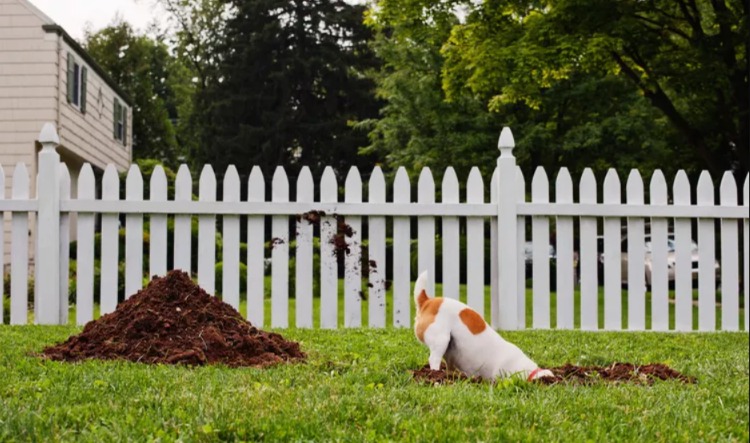
Then there is the destructive duo: chewing and digging. We often see a chewed-up sofa leg as a personal affront, but for a dog, chewing is a way to explore the world, relieve stress, or soothe the pain of teething. Digging, similarly, is a primal urge—an attempt to find a cool spot, hunt for a hidden scent, or simply burn off excess energy.
“When we offer a durable chew toy or create a designated digging pit, we aren’t stifling their nature; we are honoring it in a way that keeps our homes intact.”
The Heartbreak of Separation
Perhaps the most emotional struggle of all is separation anxiety. This is where “bad behavior” reveals its most vulnerable side. The howling, the frantic scratching at the door, and the “accidents” that happen only when you’re gone aren’t signs of a disobedient pet—they are signs of a dog in the throes of a panic attack.
To a dog with separation anxiety, your departure feels like a permanent abandonment. Solving this requires immense patience and a slow, gentle “desensitization” process. It’s a journey of building trust that teaches them, one minute at a time, that you will always come back.

Managing Social Over-Excitement
We also face the social blurs: jumping up and chasing. When a dog jumps on you, they are usually trying to greet you face-to-face, much like they would another dog. It is an act of over-enthusiastic love. Chasing, whether it’s a cat, a car, or a jogger, is the thrill of the hunt.
In both cases, the solution lies in redirected focus. Teaching a “sit” for greetings or a rock-solid “stay” isn’t about control; it’s about keeping them safe and making them more welcome in the human spaces they love to inhabit.
A Path Forward with Patience
Finally, there is the quiet shame of inappropriate soiling. Whether it’s a puppy still learning the ropes or an adult dog suddenly regressing, messes in the house are one of the leading reasons dogs are surrendered to shelters. It is vital to remember that this often stems from a medical issue or a simple lack of clear communication.
Approaching a “mess” with anger only creates a dog that is afraid to go in front of you. Approaching it with a consistent schedule and positive reinforcement creates a dog that understands the boundaries of their home.
Training your dog through these behavior hurdles is the ultimate act of love. * It requires you to be a teacher, a protector, and a friend.
- It’s about realizing that every chewed shoe is a lesson in patience.
- It’s a reminder that every frantic bark is an opportunity to listen.
You aren’t just “fixing” a pet; you are weaving a bond that is strong enough to survive the messes, the noise, and the chaos.
When you lead with empathy, the “bad dog” disappears, and the companion you’ve always dreamed of finally has the chance to shine.