As pet parents, we never want to imagine our dogs or cats in distress — but being prepared with basic pet first aid knowledge can make all the difference when seconds count. Just as we learn CPR and first aid for people, knowing how to respond in an emergency with your pet can help keep them safe until you reach professional care. Think of it as love in action: proactive care that protects your pet’s life.
Here’s a comprehensive, easy-to-follow guide to handling common emergencies with confidence, calm, and care.
1. Build a Pet First Aid Kit — Before You Need It
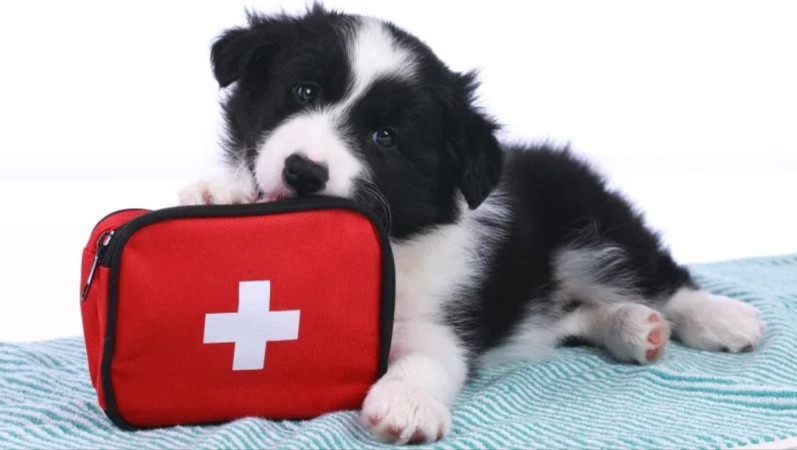
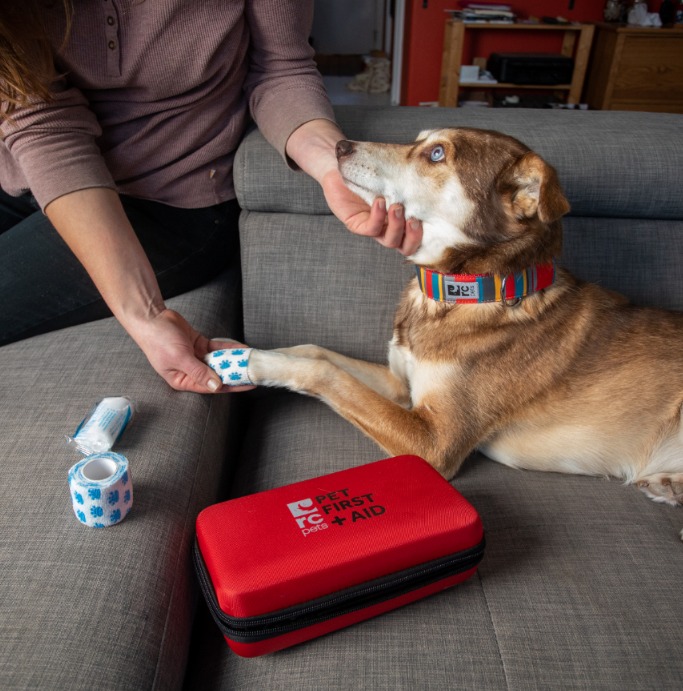
A first aid kit for your pet is your first line of defense. Supplies should be ready at home and in any car you travel in. Essentials include:
- Sterile gauze pads & bandages — for controlling bleeding
- Adhesive tape & self-adhesive wrap — useful for securing dressings
- Digital thermometer (rectal) + lubricant — to check temperature
- Hydrogen peroxide (3%) — to induce vomiting (only when instructed)
- Saline eye wash — for flushes
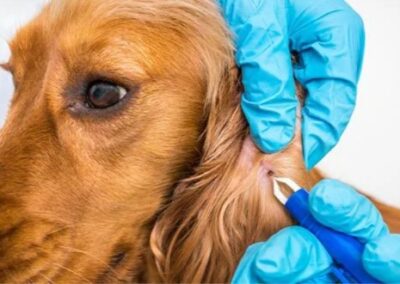
- Tweezers & blunt-ended scissors — for removing ticks or trimming bandages
- Disposable gloves — to keep you clean and safe
- Towels — for warmth or carrying an injured pet
- Pet-safe antiseptic wipes/spray — for cleaning wounds
- Treats or food — to help calm your pet if they’re stressed
Having these items ready in a labeled container means you won’t be scrambling when a situation arises.
2. Know How to Assess an Emergency
Not every unexpected issue requires a vet visit, but knowing the difference between urgent and emergency is critical.
Go to the Vet IMMEDIATELY if your pet has any of these symptoms:
- Difficulty breathing or choking
- Uncontrolled bleeding
- Broken bones / inability to stand
- Collapse or unconsciousness
- Seizures lasting more than a minute
- Swallowed a toxic substance (like human medications, chocolate, xylitol)
Call your vet right away if you notice:
- Vomiting or diarrhea lasting over 24 hours
- Limping that doesn’t improve in a day
- Changes in behavior like extreme lethargy
- Signs of pain (vocalizing, growling, hiding)
When in doubt, contact a vet. Quick guidance can prevent minor problems from becoming serious.
3. How to Safely Handle Injuries
Controlling Bleeding
If your dog or cat is bleeding:
- Stay calm. Your voice can soothe them.
- Apply firm pressure with gauze or clean cloth for 3–5 minutes.
- If bleeding soaks through, add more layers — don’t remove the original.
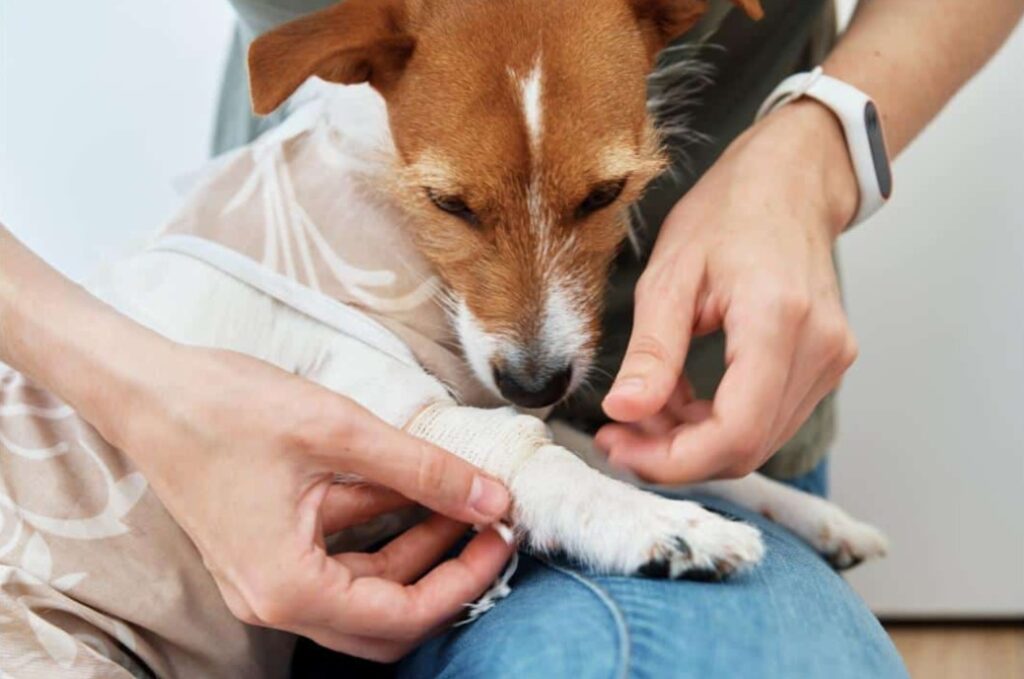
- Once controlled, secure a bandage without cutting circulation.
Excessive bleeding is an emergency — get veterinary care immediately after stabilizing.
Burns & Scrapes
For burns (from heat, chemicals, or friction):
- Rinse the area with cool (not cold) water.
- Never put butter, oils, or ointments meant for humans on a burn — they can trap heat.
- Cover lightly with sterile gauze and seek medical care.
For scrapes:
- Clean with saline or mild antiseptic
- Apply a non-sticky dressing
- Watch for signs of infection (redness, odor, swelling)
**4. Heatstroke & Hypothermia — Be Prepared for Weather Emergencies
Heatstroke
Dogs don’t sweat like humans — they pant. When temperatures rise, overheating is a real risk.
Signs of overheating:
- Excessive panting
- Weakness or uncoordinated steps
- Bright red gums
- Collapse
Immediate steps:
- Move into shade/air conditioning
- Cool gradually using wet towels, cool (not ice) water
- Offer small amounts of water if your pet is alert
Get to a vet fast. Heatstroke damages organs quickly.
Hypothermia
In cold weather, especially for small or short-haired pets:
Signs:
- Shivering
- Lethargy
- Stiff muscles
What to do:
- Wrap in warm blankets
- Avoid direct hot water or heaters
- Get to a warm environment and call your vet
5. Handling Poisoning & Toxins
Pets are curious — and curious can be dangerous. Common toxins include:
- Human medications (acetaminophen, ibuprofen)
- Certain foods (chocolate, grapes, onions, xylitol)
- Household cleaners
- Rodent poisons
- Certain plants
What to do:
✔ Call your veterinarian or pet poison hotline immediately
✔ Do not induce vomiting unless directed by a professional
✔ Bring the packaging or photo of the substance if you can safely do so
Act fast — some toxins can damage the liver or nervous system in minutes.
6. Safe Restraint & Comfort During First Aid
Even gentle pets may panic when injured. Your voice, posture, and touch matter.
Helpful tips:
- Speak softly and move slowly. Sudden motions increase fear.
- Use a towel like a blanket or wrap to gently restrain a struggling pet.
- Avoid pressing sensitive areas. Pain can make even calm pets snap.
A calm owner helps keep a scared pet calmer.
7. Learn and Practice the Basics
Great first aid isn’t just knowledge — it’s muscle memory. Consider:
- Taking a pet first aid class
- Watching demonstrations
- Practicing clicking and rewarding calm behavior during mock check-ups
- Keeping emergency contacts and directions to the nearest 24/7 clinic in your phone
Being prepared doesn’t mean hoping for bad things — it means being ready to protect the ones you love.
Your Role as a Prepared Pet Parent
Your dog or cat can’t call for help — they rely on you. Learning first aid isn’t just about emergencies; it’s about confidence, trust, and proactive care. By knowing how to assess situations calmly, acting quickly, and seeking professional guidance when needed, you are giving your pet a lifeline when it counts most.
Remember: love isn’t just cuddles and walks — it’s *preparedness, attention, and action *when your pet needs you the most.