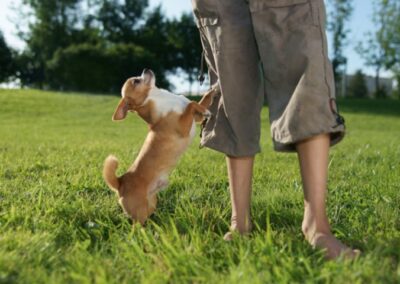
The moment you pick up the leash, your dog knows.
But this time, it’s different.
No bouncing. No happy spins. Instead, there’s hesitation. Ears slightly back. Eyes watching you carefully. Maybe even a slow retreat toward the couch.
You haven’t said a word.
But your dog already understands.
The vet.
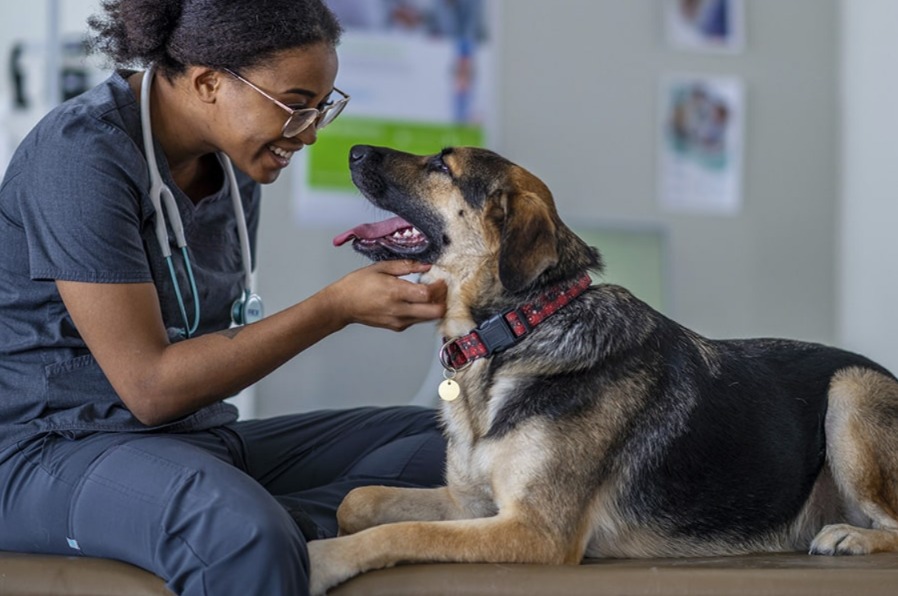
For many dogs — and many loving owners — veterinary visits can feel like a storm cloud rolling in. Strange smells. Slippery floors. Other anxious animals. Unfamiliar hands. Even the kindest clinic can feel overwhelming through a dog’s senses, which are far sharper than ours.
The good news? It doesn’t have to be that way.
With intention and preparation, vet visits can shift from dread to manageable — sometimes even calm.
It Starts at Home
Stress at the clinic often begins long before the car ride. Dogs build associations quickly. If the only time they get into the car is when something uncomfortable follows, they remember.
Start breaking that pattern.
Take short, low-pressure car rides that end in something pleasant — a walk in the park, a favorite treat, a visit to a familiar friend. Let the car stop being a signal for stress.
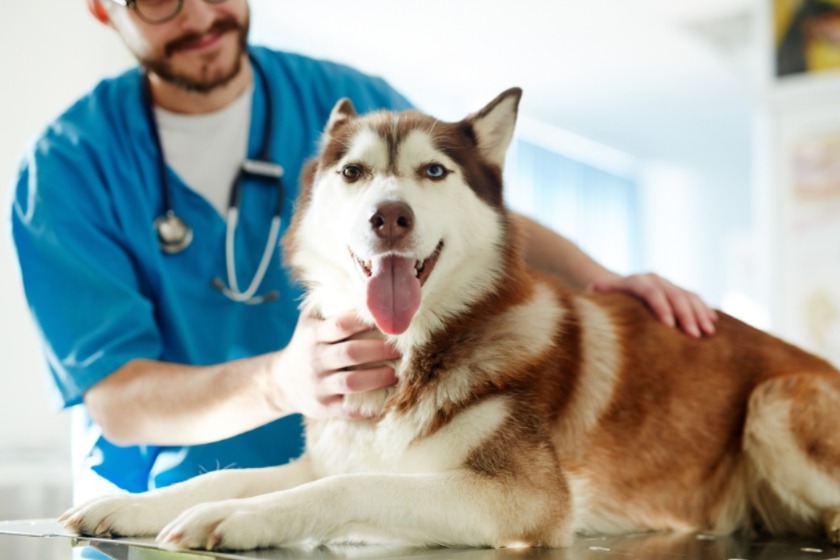
At home, gently handle your dog in ways that mimic exam procedures. Touch their paws. Lift their lips briefly. Run your hands along their sides. Keep it light. Keep it positive. Follow with praise or a small reward.
You’re teaching them something powerful: being examined doesn’t mean something bad will happen.
Practice Calm Before You Need It
Dogs read our emotional cues faster than we realize. If you tense up before an appointment, they will too.
So practice calmness like it’s a skill.
Reward your dog for relaxed behaviors — lying down quietly, making eye contact, settling on command. The more familiar calm becomes at home, the easier it is to carry into new environments.
Some dogs benefit from crate training or a secure carrier that feels like a safe den. Others relax when covered with a light blanket during transport. What matters most is predictability. Safety grows in familiar routines.
Desensitize the Experience
If possible, stop by your veterinary clinic when you don’t have an appointment.
Walk into the lobby. Offer a treat. Leave.
Let the building itself become neutral territory rather than a place that only means needles and exams. Some clinics even allow brief “happy visits” where staff greet your dog without performing procedures — just to build positive associations.
Those small exposures add up.
During the Appointment
When you arrive, advocate for your dog’s comfort.
Bring high-value treats — something special they don’t get every day. Ask the veterinary team if you can reward during exams when appropriate. Many professionals encourage it.
Stay calm. Speak in your normal tone. Avoid repeated reassurance in a worried voice — dogs interpret tone more than words.
If your dog shows fear — shaking, tucked tail, lip licking, yawning — don’t scold. Those are communication signals. Acknowledge them. Offer gentle touch if your dog finds that soothing.
For highly anxious dogs, veterinarians may recommend anti-anxiety medication or calming supplements prior to visits. This isn’t a failure. It’s compassion. Reducing fear protects your dog’s long-term emotional health.
After the Visit
What happens afterward matters just as much.
When you leave the clinic, do something positive. A short walk. A favorite toy. Quiet cuddle time.
Let the final memory of the outing be good.
Dogs don’t live in the past the way we do — but they do remember patterns. If every vet visit ends with warmth and reward, the emotional weight begins to soften.
Why This Matters
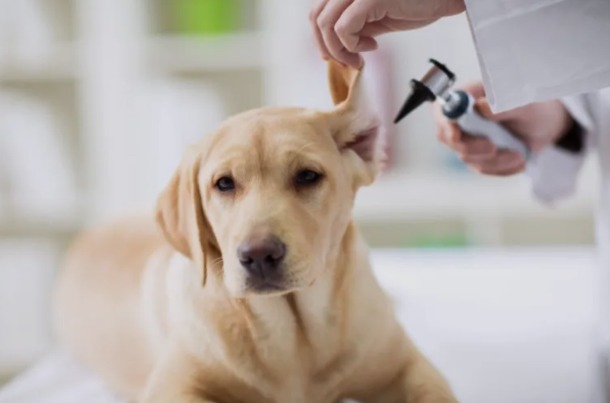
Regular veterinary care is one of the greatest gifts you can give your dog. It prevents pain before it starts. It catches problems early. It extends healthy, happy years.
But beyond physical health, emotional well-being matters too.
A dog who trusts the process suffers less. A dog who feels safe learns resilience. And a dog who looks to you during a stressful moment — and finds steadiness there — deepens that unspoken bond between you.
Vet visits don’t have to be perfect.
They just have to be handled with patience.
Because at the end of the day, your dog doesn’t understand vaccines or checkups or preventative care.
They understand one thing:
You.
Your calm voice.
Your steady hand.
Your promise that even in unfamiliar rooms with bright lights and strange smells…
They’re not alone.
And sometimes, that’s all they need to turn a shaking moment into a small, brave step forward.