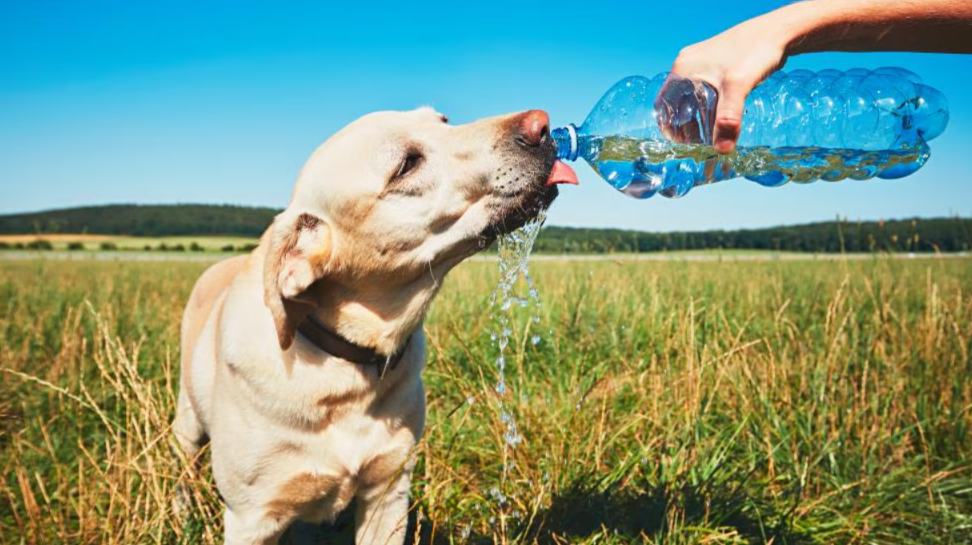
Dogs don’t sweat like humans. Instead, they cool themselves primarily through panting, and to a lesser extent through their paw pads. That makes them especially vulnerable when temperatures climb.
What begins as a pleasant warm day can quickly turn into a life‑threatening situation if a dog overheats. In serious cases, heatstroke can damage vital organs and even be fatal—but with the right knowledge and quick action, every dog owner can recognize the danger early, intervene effectively, and prevent tragedy.
Why Dogs Are at Risk
A dog’s cooling system isn’t nearly as efficient as ours. When the external temperature is high, especially with high humidity or limited airflow, a dog’s ability to dissipate heat becomes compromised. Breeds with short muzzles (like Bulldogs, Pugs, and Shih Tzus), seniors, overweight dogs, and pups with thick coats are particularly susceptible. Even otherwise healthy dogs can suffer if they’re confined in a hot car, left without shade, or forced to exercise vigorously on a sweltering day.
Heatstroke doesn’t just occur during obvious heat waves—moderate sunny days combined with poor ventilation can be dangerous too.
What Is Heatstroke?
Heatstroke—that dangerous escalation of body temperature—happens when a dog’s internal temperature rises above normal and the body can no longer cool itself. Normal canine body temperature ranges roughly between 101°F and 102.5°F. Once a dog’s temperature climbs above 104°F, heatstroke becomes a medical emergency.
At just a few degrees higher, the dog faces cellular damage, organ dysfunction, and potentially irreversible injury, especially to the brain, heart and kidneys. If untreated, heatstroke is life‑threatening.

Common Signs and Symptoms
Heatstroke doesn’t always start with obvious distress, but there are key signs every pet parent should watch for:
Early Signs
- Heavy panting or rapid breathing
- Excessive drooling
- Bright red or dark gums
- Unusual agitation or restlessness
- Glazed eyes or lethargy
Progressive and Severe Signs
- Weakness or stumbling
- Vomiting or diarrhea
- Very dark or tacky gums
- Collapse
- Seizures
- Unconsciousness
If you notice these symptoms—especially during hot weather or after exercise—don’t wait. Treat it as a medical emergency.
What to Do Immediately (First Aid)
Taking the correct steps right away can make a life‑saving difference before you even reach a veterinary clinic.
1. Move Your Dog to a Cool Area
Get them out of the heat immediately—shade, air‑conditioning, or a well‑ventilated spot works best.
2. Cool Gradually, But Not Too Fast
Use cool (not icy) water to wet their body—especially under the belly and around armpits. Ice baths and extremely cold water can cause dangerous shifts in blood pressure and should be avoided.
3. Offer Small Amounts of Water
Encourage your dog to drink, but don’t force it. Let them drink slowly to avoid choking or vomiting.
4. Wet Their Paws and Pads
Cooling the paw pads helps exchange heat more efficiently.
5. Seek Immediate Veterinary Care
Even if your dog seems to improve, internal damage may still be occurring. Get to a vet right away.
Prevention Is Key
The best way to beat heatstroke is not to get there in the first place. Here’s how to protect your dog:
🚗 Never Leave a Dog in a Parked Car
Temperatures inside a vehicle can exceed 120°F in minutes—even with windows cracked.
🐾 Avoid Midday Exercise
Exercise during early morning or late evening when pavement and air temperatures are cooler.
☀️ Provide Shade and Water Outdoors
If your dog spends time outside, always make sure shade is accessible and water is abundant.
🐶 Know High‑Risk Breeds
Short‑nosed breeds, older dogs, and overweight dogs have more difficulty cooling down. Adjust routines accordingly.
🧊 Provide Cooling Mats, Fans, or Shade Structures
Consider investing in products designed to help reduce body temperature safely.
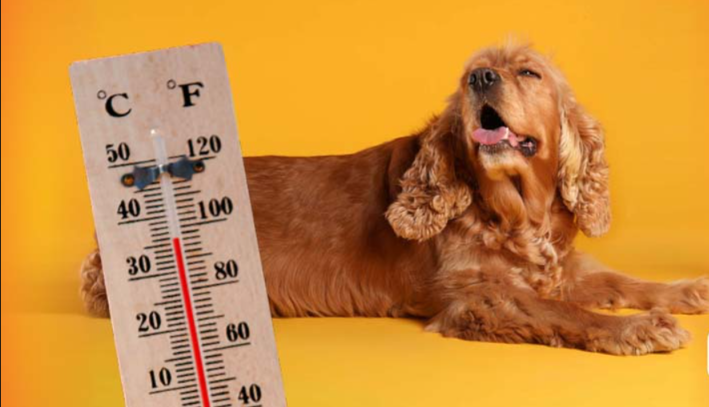
Heatstroke vs. Heat Exhaustion
Not every dog panting in the sun is in immediate danger, but the difference between heat exhaustion and heatstroke can be subtle. Heat exhaustion is early overheating—reversible if addressed quickly. Heatstroke means the body’s cooling system has failed and the condition is now an emergency.
If panting continues even after moving to shade and calming down, assume escalation and act rapidly.
What Happens at the Vet
At a veterinary clinic, the dog’s temperature will be checked and controlled, IV fluids may be administered, and organ function monitored. Blood tests can assess electrolyte imbalances and early signs of internal damage. The sooner treatment begins, the better the chance of a full recovery.
Final Thoughts
Heatstroke in dogs is not just a “hot day problem”—it can happen in minutes, under conditions many owners overlook. Understanding how dogs regulate temperature, the early warning signs of overheating, and the steps to respond calmly and swiftly will help you protect your canine companion through every season.
No dog should suffer silently in the heat. With awareness, preparation and a little caution, you can make sure your pup stays cool, comfortable and safe — so every warm day becomes another chance for joy, not risk.
Related posts:
 The Heavy Truth: How Dog Obesity Silently Steals Joy (and Years)
 Dog Allergy Signals Explained: Food Allergies Compared With Seasonal Triggers
 Why Spaying and Neutering Your Pet Is One of the Most Responsible Choices You Can Make
 Decoding the “Bad Dog”: Why Your Pup’s Habits Are Actually a Cry for Connection