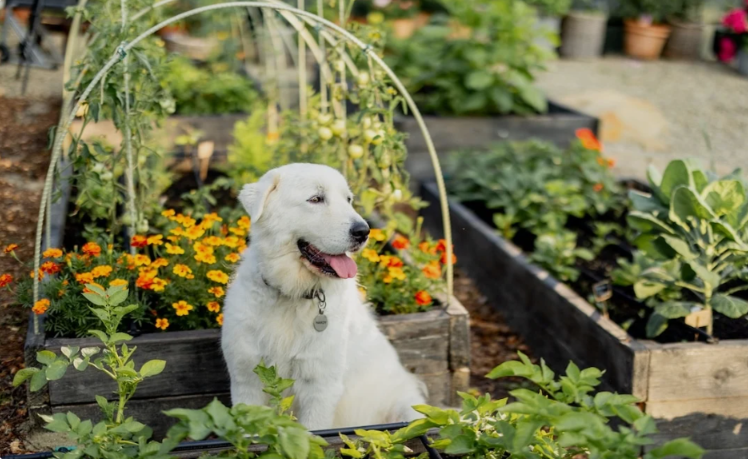
Making your garden a safe, enjoyable space for your dog doesn’t have to mean turning it into an obstacle course or spending a fortune on fancy equipment.
With a bit of thoughtful planning, the right instincts, and a few simple upgrades, you can create an outdoor area that keeps your dog healthy, happy, and comfortable — no matter the season. Whether you have a tiny courtyard, a sprawling backyard, or a balcony that doubles as a green space, these tips will help you design a dog‑friendly garden that works for you both.
Why a Dog‑Friendly Garden Matters
For many dogs, the garden isn’t just a place to relieve themselves — it’s a sensory playground. They smell, dig, explore, chase, and lounge. An outdoor space that encourages those natural behaviors in a safe way supports their physical and mental well‑being.
At the same time, keeping safety and hygiene in mind makes life easier for you as an owner and helps prevent common problems like escapes, ingesting toxic plants, or digging in undesirable spots.
Start With Safety First
A dog‑friendly outdoor area begins with secure boundaries. A fence that’s too low or has gaps can easily become an escape route for curious dogs. Depending on your dog’s size and athleticism, you might need to reinforce fencing or add a higher barrier.
Check for gaps under gates and along fence lines where smaller dogs could wriggle through. Burying chicken wire a few inches into the ground can also prevent determined diggers from escaping under a fence.
Sharp edges and loose fixtures can be dangerous, so inspect hardscape elements like decking, trellis supports, and garden furniture for nails, splinters, or broken pieces. If you have a pond or water feature, install a shallow ledge or mesh cover to prevent unsupervised access — dogs can easily fall in and panic, especially if the edges are slippery.
Choose Dog‑Safe Plants
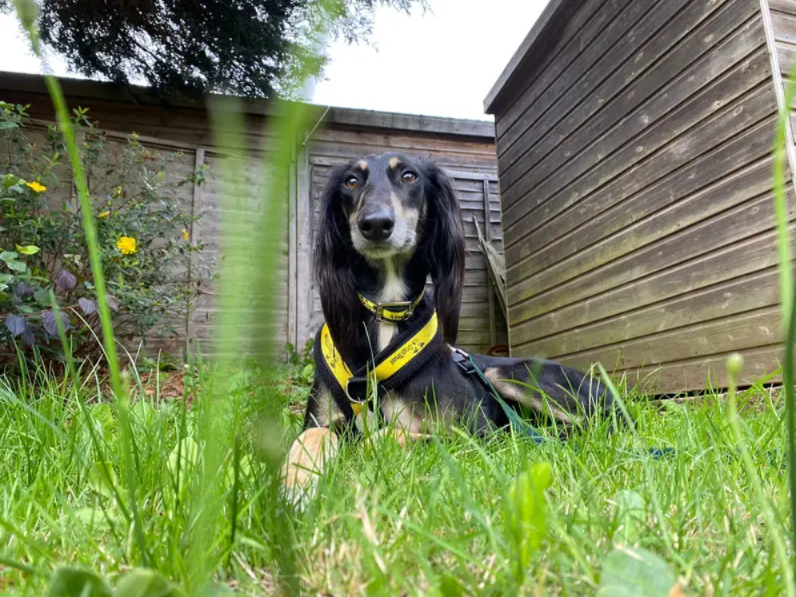
Some common garden plants are beautiful but toxic to dogs. Keeping this in mind helps you avoid a vet visit and keeps your dog safe while exploring. Some plants to avoid include:
- Foxglove
- Tulips and bulbs
- Rhododendrons and azaleas
- Yew
- Sago palm
Instead, plant dog‑safe greenery like rosemary, basil, parsley, and some ornamental grasses. Certain herbs like mint can also serve as fun sniffing patches for your dog’s nose work. Before planting anything new, always check reliable sources to confirm it’s non‑toxic for dogs.
Provide Shade and Shelter
On hot days, dogs can overheat quickly — even more so if they’re active. A combination of shade and access to water is essential. Natural shade from trees is ideal, but if your garden doesn’t have enough, consider installing a shade sail, pergola, or even a large umbrella. A secure, dry shelter — like a simple dog house or covered patio area — gives your dog a place to rest out of rain, wind, or strong sun.
Create Dedicated Zones
Designing your garden with specific areas for different activities helps your dog understand boundaries and makes maintenance easier.
1. Potty Area:
Designate a part of the garden for toileting. This could be a patch of grass, artificial turf, or a corner with pea gravel or mulch. Consistently directing your dog to this area helps keep the rest of the garden cleaner.
2. Play Space:
Leave room for chasing balls, tugging on ropes, or just running around. Even a small patch of safe ground can become a game zone.
3. Quiet Zone:
Not every dog wants constant activity. A quiet corner with a comfortable outdoor bed or cushion provides a restful spot for lounging.
Encourage Digging in the Right Places
If your dog loves to dig, don’t be surprised — it’s a natural canine behavior. Instead of trying to stop them entirely, dedicate a digging pit. A shallow box filled with sand or soil lets your dog dig to their heart’s content while sparing your flower beds. Bury toys or treats to encourage them to use it.
Keep the Garden Clean and Hygienic
Regular maintenance keeps your garden enjoyable for both you and your dog.
- Pick up waste daily: Not just for hygiene — letting waste sit can attract pests and unpleasant odors.
- Rinse paws: After rainy walks or muddy play sessions, a quick paw rinse near the back door prevents muddy footprints indoors.
- Check for hazards: Periodically check for sharp sticks, broken pots, or insect nests that could harm your dog.
Water: A Must‑Have Feature
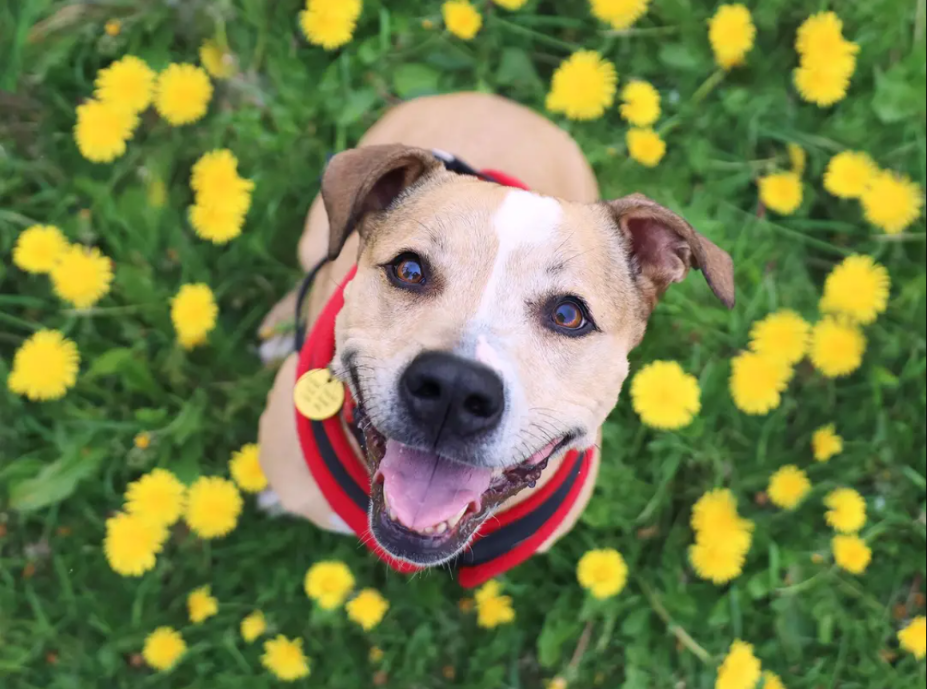
Fresh water should be available in your garden during hot weather. A water bowl or dog‑friendly drinking station near shade gives your dog quick access without trekking across hot ground. Some owners also add a shallow paddling pool in summer, which many dogs enjoy for cooling off and playing.
Address Noise and Distractions
If you live in an area with loud traffic or regular construction noise, consider installing visual barriers like lattice panels or tall plants to reduce stress for skittish dogs. Calming music played near outdoor lounging areas can also help particularly anxious dogs relax.
Training and Boundaries
Even the most dog‑proofed garden benefits from basic training. Teaching commands such as “stay,” “come,” or “off” around garden boundaries enhances safety. Reinforce good behavior with positive rewards and keep routines consistent.
Final Thoughts
Turning your garden into a dog‑friendly haven doesn’t require perfection — just thoughtful planning and an eye for safety. With secure fencing, plant awareness, designated play areas, and a few creature comforts, you create more than a yard: you build an outdoor extension of home where your dog can explore, relax, play, and flourish.
A dog‑friendly garden not only supports physical exercise and mental stimulation but also reinforces the bond between you and your four‑legged friend. Whether it’s sprinting after a ball, sniffing through herbs, or simply lounging in a shady nook, your dog’s enjoyment of the outdoors is one of the simplest joys of life — and one well worth nurturing.
Related posts:
 Four Feet, Warm Hearts & Health Perks: Why Volunteering with Animals Is So Good for You
 Creative, Affordable Ways to Snap Adorable Valentine’s Pics With Your Dog
 Stuck Inside? How to Turn Your Living Room into a Canine Wonderland
 Dog‑Friendly Easter Egg Hunts: Safe, Fun Activities for You and Your Pup