A disturbing animal rescue unfolded recently in Flint Township, Michigan, where authorities uncovered a home in such shocking and unsanitary condition that it took law enforcement and animal control officers by surprise — and deeply disturbed them. What they found inside was an environment no living creature should ever have to endure.
The operation began after residents reported dogs running loose and barking at a property that had long been a neighborhood concern.
When police obtained a search warrant and entered the home, they were immediately confronted with overwhelming filth, high concentrations of toxic air, and animals living in squalid conditions. That air quality was so hazardous that first responders described it as burning their lungs and eyes — strong enough that officers could only stay inside for short shifts.
What emerged from the scene was harrowing: dozens of animals in need of urgent help, surrounded by piles of feces, rotting furniture and debris.
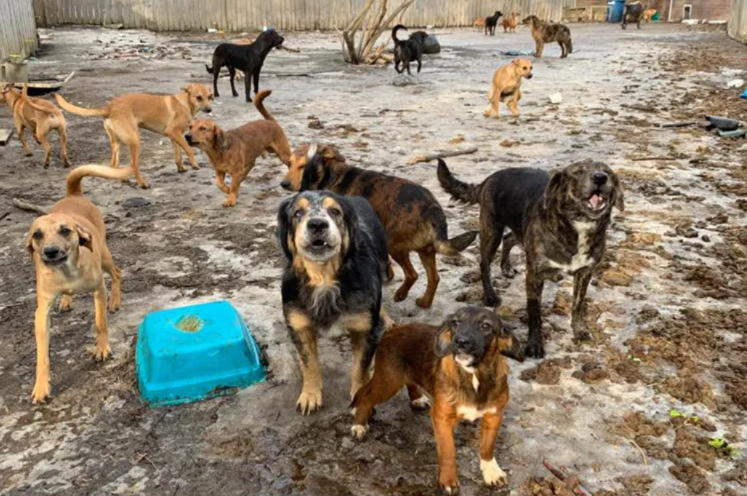
Inside, 61 dogs and three cats were found alive — but in conditions that authorities described as being beyond neglect, with no environment suitable for living beings. The foul, ammonia‑filled air, compounded by years of waste and decomposition, created an uninhabitable space for both people and animals.
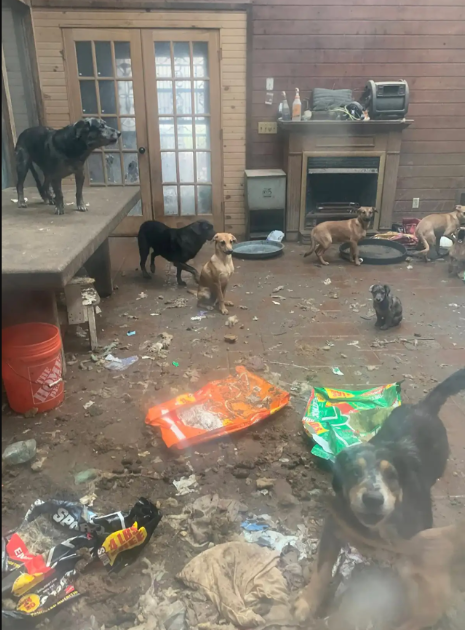
Tragically, the search also revealed 27 other animals — including dogs and a cat — deceased inside the home, some found wrapped in trash bags near the front door, as though they had been discarded like garbage waiting to be taken away. That heartbreaking detail drove home just how dire the situation was and how long these animals had suffered.
Animal control teams and police worked carefully and methodically to remove each surviving animal. Genesee County Animal Control later shared that officers documented the conditions and extracted every living dog and cat with care, despite the emotionally draining task of navigating such an environment.
Meanwhile, the home was so contaminated that protective measures and short work rotations were necessary for everyone involved.
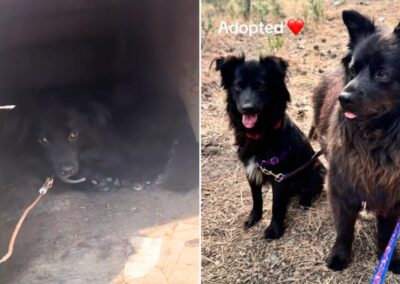
After their rescue, the surviving animals were transferred into the care of local animal control and partnering shelters. The immediate focus has been on meeting their medical and nutritional needs, stabilizing their health, and giving them a chance to recover from months or perhaps even years of deprivation and neglect.
Rehabilitation often includes veterinary examinations, treatment for infections and malnutrition, and the patient work of building trust with humans again — especially for those who have known little but fear or discomfort.
The response from animal welfare advocates has been one of determined urgency. Genesee County Animal Control issued updates noting that although the shelter was no longer in need of monetary donations at the moment, volunteers and foster families are always welcome to help as the rescued animals are cared for or placed into temporary homes. Community support and engagement remain vital as these dogs and cats transition from trauma toward stability.
As of now, the investigation into the conditions and ownership of the home is ongoing. Authorities have not yet announced charges, but the case underscores the complexities surrounding animal neglect and hoarding: these situations can build slowly over time, often unnoticed until something — a report from a neighbor, an escalation in visible signs of distress — prompts intervention.
Animal cruelty cases like this one highlight several broader challenges faced by communities across the country: the importance of reporting suspected neglect, the strain on animal control and shelter systems when large‑scale situations arise, and the emotional effort required by responders who regularly contend with heartbreaking signs of suffering. But they also reveal the resilience of animals who survive against the odds and the impact those rescues can have on public awareness and compassion.
In the aftermath, many of the surviving animals will require ongoing veterinary care, behavior assessments and potentially foster or permanent adoptive families willing to help them work through the physical and emotional remnants of their experience. For staff and volunteers, the work continues — not just in removal from harm but in helping these dogs and cats rebuild their lives one step at a time.
Though the conditions they left behind were grim, the rescue effort brought them into a world of hope, care and support — a chance every animal deserves. With community involvement and continued advocacy, the survivors may yet find the peace, comfort and love that was missing from their earliest days.