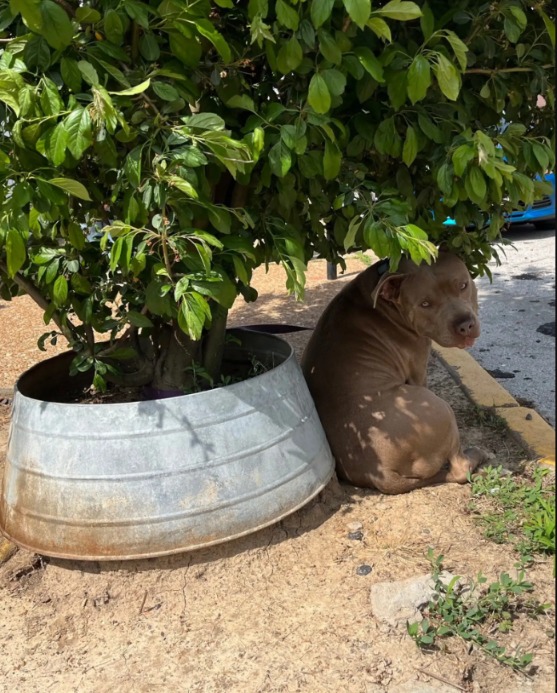
In a quiet neighborhood, nestled beneath the shade of a magnolia tree, a dog sits in a spot he’s known far too well — not out of playfulness, but because this is where his people left him.
Day after day, he waits, head up, eyes scanning the road for the familiar footsteps that once returned home. It’s a scene that has touched hearts and raised awareness about a painful reality for too many dogs: abandonment in plain sight.
This dog wasn’t born into hardship; he once had a home, a routine, and people who belonged to him. At some point, though, things changed.
Whether due to moving, financial strain, or indifference, those people chose to leave him behind, securing his leash around the sturdy trunk of a magnolia tree and walking away. No knock on the door. No goodbye. Just silence — and a dog tethered to hope.
Neighbors began to notice him because he stayed put. Unlike a stray who wanders in search of food or shelter, he remained close to that tree, day after day, as if believing his people would return.
Cars passed. Seasons shifted. Sunlight warmed leaves above him and wind stirred magnolia petals on the ground, but he stayed, unwavering in his vigil.
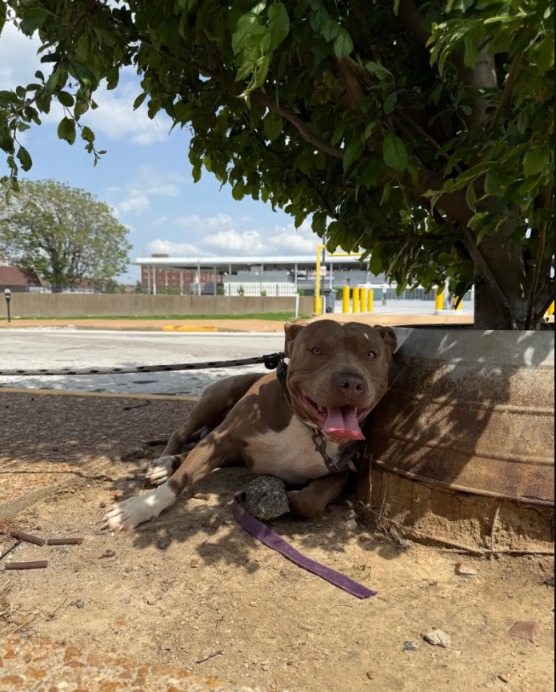
People in the community were puzzled at first. Some assumed he was tied temporarily. Perhaps someone was doing yard work? Or maybe stepping inside for a quick errand?
But hours passed, then days. Concern grew as the dog’s presence didn’t change. He wasn’t distressed in the frantic sense, but his posture — patient, alert, watchful — spoke of confusion and longing.
Social media posts about the dog soon began circulating. People shared photos and asked if anyone knew the owner. Comments poured in from animal lovers near and far, all echoing the same question: Why would someone leave a loyal companion like this?
Many viewers expressed frustration and heartbreak at the sight of a dog seemingly unable to understand why no one came back for him.
Animal welfare volunteers eventually became involved. They observed that the dog, despite his situation, was friendly and approachable.
He didn’t flinch when people neared him; rather, he wagged his tail in recognition of kindness, even toward those he didn’t know. It became clear he hadn’t been abandoned because he was aggressive, sick, or unlovable. He had simply been left behind.
Rescuers approached him gently, offering water, food, and soft words of comfort. It took patience to gain his trust — not because he was unapproachable, but because he was so conditioned to waiting — waiting for the people who once cared for him.
Each attempt to coax him away from his tree was met with hesitation. He wasn’t resistant; he was uncertain. He didn’t know what leaving the spot meant because he was still connected, emotionally and physically, to memories of before.
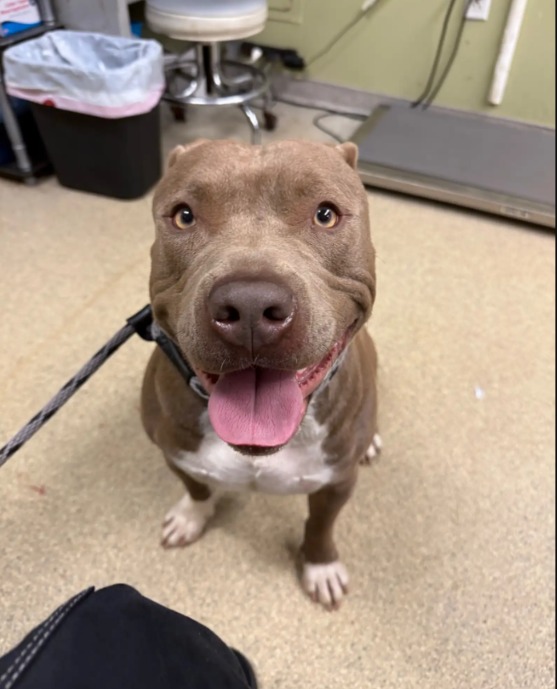
Eventually, caregivers brought proper supplies: blankets, bowls, shade and shelter from weather extremes. But even then, his gaze often drifted back to the road as if a familiar pair of footsteps might appear at any moment.
Dogs are remarkable in their capacity for forgiveness and attachment. Many would move on quickly, finding new comfort and companionship. But this dog’s loyalty was anchored deep — not in obligation, but in love.
What saved him wasn’t just intervention; it was recognition — strangers acknowledging his worth and refusing to let him be forgotten.
Passersby, community members, and rescuers all played roles in steering him toward a future where he might understand compassion again. Little by little, he stopped focusing solely on the empty walkway and started looking at the humans offering warmth and care.
His story highlights a painful truth: abandonment doesn’t just change a life — it waits in plain sight, echoing memories of trust broken.
But it also underscores something powerful: when kindness arrives — even from strangers — it can help heal wounds that once seemed permanent.
This dog may have been left tied to a tree, but he wasn’t left without hope. And that makes all the difference.