
Owning a pet often means welcoming joy, companionship, and a few challenges — like where to put all of their toys, beds, leashes, food bowls, and accessories without detracting from your home’s style.
For many pet parents, the reality is simple: pets are part of the family, and their things shouldn’t be relegated to cluttered corners or shoved behind doors. But that doesn’t mean your living room has to look like a storage closet.
With intentional planning and a few smart design strategies, you can create a home that looks gorgeous and functions beautifully for two‑ and four‑legged family members.
The first key is to view pet items as part of your décor narrative rather than an afterthought. This approach shifts the goal from hiding everything away to integrating pet essentials in ways that feel intentional and cohesive. For example, toy baskets can become stylish accessories in a room when chosen with care.
Look for baskets or bins made from high‑quality materials like woven seagrass, natural rattan, or textured fabrics that complement your existing color palette. Placed near your sofa or favorite sitting area, a beautiful basket full of chew toys can feel warm and welcoming instead of chaotic.
Another common challenge is storing leashes, collars, and harnesses in a way that’s accessible but still tidy. An easy solution is to dedicate a specific hook rack or wall‑mounted organizer near your entryway or mudroom.
Choose an organizer that matches your home’s aesthetic — perhaps something minimalist in matte black metal for modern spaces, or brushed brass for homes with warm tones and vintage flair. By assigning these items a designated place, you eliminate last‑minute scrambles and keep clutter from spreading across surfaces.
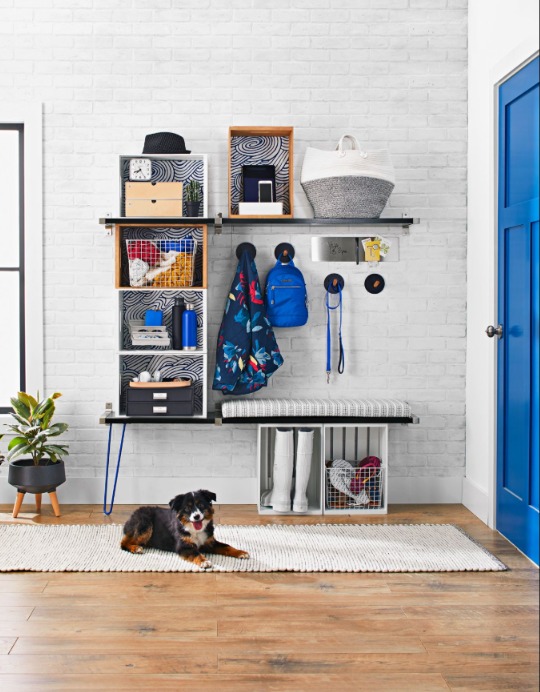
Food and water bowls present a slightly different issue: they must be convenient for your pet but not disruptive to your space. Raised feeding stations can be both ergonomic for your pet and visually appealing. Look for stands made of wood or ceramic that blend with your floor and furniture tones.
It’s also helpful to place washable mats beneath feeding stations that coordinate with your décor — not only do they catch spills, but they also visually anchor the area so it doesn’t feel like a scattered afterthought.
Beds are another big piece of the pet‑gear landscape. Instead of tucking a bulky bed into a corner and hoping it disappears, choose styles that feel like furniture.
For example, round bolstered beds in neutral hues or rectangular cushion beds with removable, washable covers in tweed, corduroy, or canvas can look like they belong in a curated living room. In homes with minimal décor, consider pet beds that echo your furniture’s line work — a sleek rectangular bed next to a midcentury modern sofa, for instance — so everything appears intentional and harmonious.
Storage solutions can also do double duty. An ottoman with internal storage can hide toys and grooming tools, while a bench at the foot of the bed with compartments or baskets can serve as both a seating area and a place to store leashes, blankets, and extra bowls.
These dual‑purpose pieces help reduce visual clutter and keep your home feeling open and calm.
Beyond storage, it’s worth thinking about how frequently used items can be rotated or contained. Rotate out pet toys every few weeks by storing extras in a closed bin.
This keeps play areas fresh and prevents overwhelm while preserving your décor’s clean lines. Closed storage also works well for grooming items like brushes, shampoos, and nail clippers. A small, decorative box in the bathroom or laundry room can house these tools without them crowding your countertops.
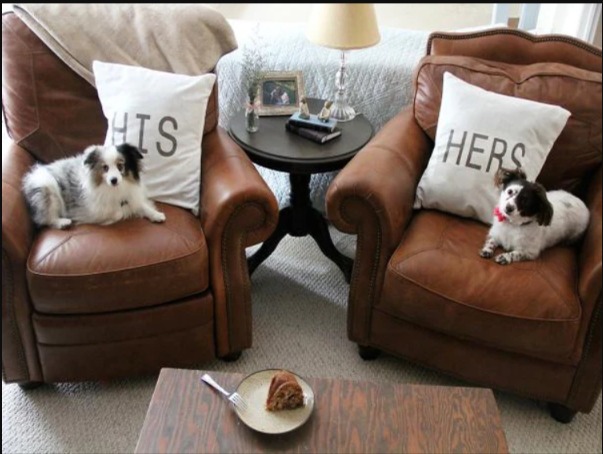
One frequently overlooked strategy is to work with color and texture. If your space leans into a particular palette — say, warm neutrals, cool blues, or earthy greens — try to echo those tones in pet accessories.
A collar in sage green, a toy in muted orange, or a bed in soft gray can subtly tie into your surroundings rather than clash with them. Similarly, matching the texture of baskets or storage containers to existing materials — like wood, linen, or metal — helps unify the visual story of your home.
Lastly, consider setting up dedicated zones where pet needs are concentrated. Instead of scattering toys and feeding stations everywhere, create a pet corner in a quieter part of the house. In open‑concept spaces, anchor these zones with area rugs that define the space while protecting your floors.
In smaller homes or apartments, a tucked‑away niche behind a sofa or near a window can become a cozy pet zone that feels intentional and separate from your main living areas.
The bottom line is this: you don’t have to choose between a stylish home and a pet‑friendly one. With thoughtful decisions about storage, color, texture, and placement, you can curate a space that feels welcoming, functional, and beautiful for everyone — fur babies included.
By weaving your pet’s items into your overall home strategy (rather than hiding them), you embrace a living environment that reflects both personality and practicality.
Related posts:
 Four Feet, Warm Hearts & Health Perks: Why Volunteering with Animals Is So Good for You
 Don’t Just Trick or Treat — Throw a Halloween Bash for Your Dog (and Survive It)
 Creative, Affordable Ways to Snap Adorable Valentine’s Pics With Your Dog
 Stuck Inside? How to Turn Your Living Room into a Canine Wonderland
Downloaded the Winbuzz app. It was a super easy download and install process. Seems legit so far! I’ll update if I hit the jackpot! Grab it here winbuzzappdownload
Recently tried 91clublogingame.com. The login process was straightforward, and the game selection is pretty diverse. Worth checking out if you’re looking for something new. Get on it here 91clublogingame
EZJili is the place to get a quick win. Seriously though, pretty good payout rates. Very straightforward UI. Get your game on here ezjili