It began like many ordinary outdoor excursions — a walk in the woods with loved ones — but ended up testing the limits of patience, hope, and community spirit.
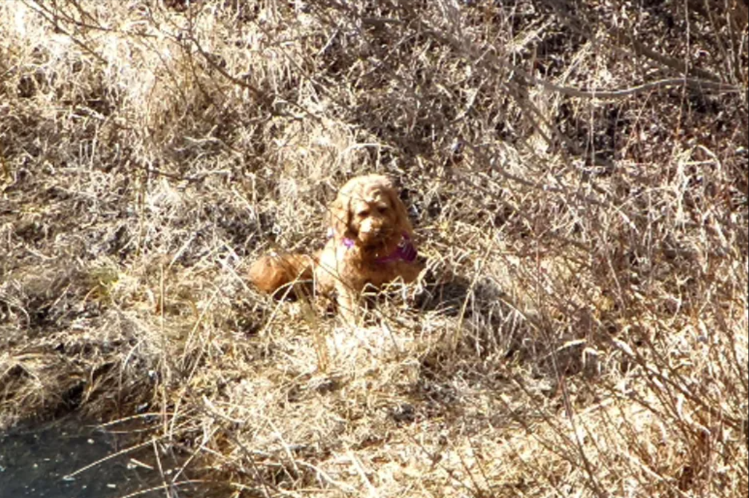
When Mia, a cheerful Goldendoodle from Illinois, went missing during a hike on February 12 at a sprawling 3,400‑acre conservation area, her disappearance quickly turned into an 18‑day search effort that became both intense and inspiring.
Mia’s owners, Donna and Jim Davis, first noticed she was gone partway through the trail at Glacial Park Conservation Area.
In a moment of distraction, the dog had become spooked and bolted — disappearing into dense woodland that can be nearly impossible to traverse on foot alone. With night approaching and temperatures dropping, every minute without Mia felt like an eternity.
Right from the start, the Davis family was determined to bring her home. Friends, neighbors, and family members joined in the search, combing trails and calling her name.
But as hours turned into days, it became evident that finding Mia in such a vast and rugged area would require more than hopeful calling and footprints in the dirt.
That’s when a dedicated group of volunteers stepped in. Best Furry Friend Search and Rescue — a team made up of caring locals and animal lovers — joined the effort, along with experienced drone pilot Michael Smith of SmithicAir.
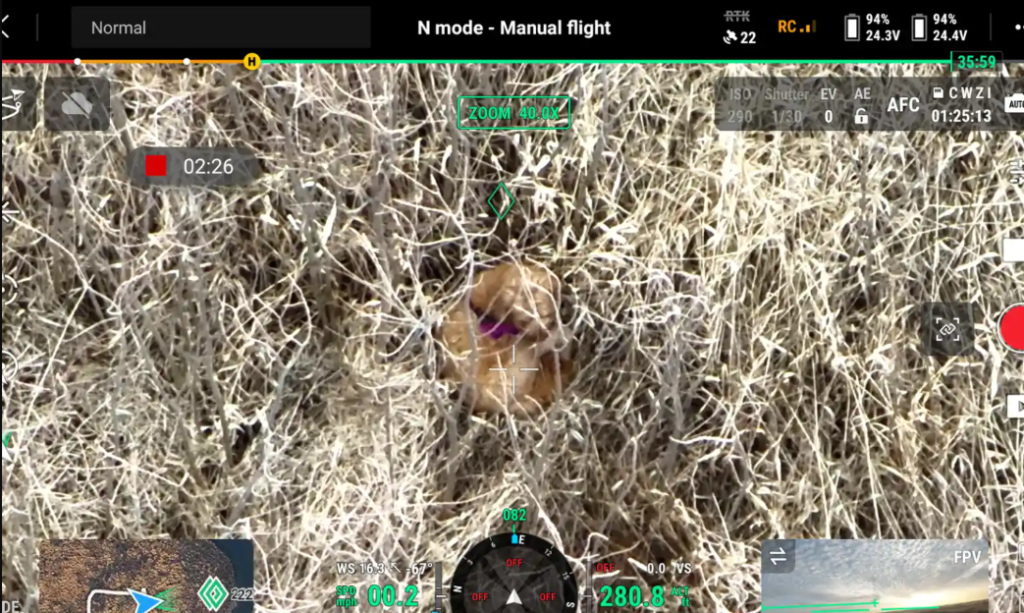
Using drones equipped with thermal imaging and high‑resolution cameras, the team began scanning areas that were too dense or steep for people on foot.
For days, the drone hovered silently over hills, valleys, and wooded stretches — a bird’s‑eye view trying to pick up any sign of Mia’s presence.
Not only do drones offer aerial perspectives, but thermal sensors can also detect body heat even under tree cover or brush, making them an increasingly valuable tool in lost‑pet searches.
The breakthrough came when the thermal drone finally detected a heat signature that matched what the search team was looking for.
At first, the lead was tentative — just a blip on a screen. But after careful triangulation and confirmation, everyone’s hope soared: Mia had been located.
There was one hurdle left to clear. Because of local regulations involving wildlife and aerial equipment, the team needed proper permits before humane traps could be set.
At first, this slowed down the immediate rescue, but the group didn’t lose momentum, placing food stations and camera‑monitored bait in strategic patterns to keep Mia in sight while the paperwork was finalized.
Once permission came through, the traps were carefully deployed, and before long, Mia stepped into one — safe, frightened, but very much alive.
The reunion with her relieved and tearful owners was everything they’d prayed for after days of uncertainty.
Miraculously, despite nearly three weeks alone in the woods, Mia was in good condition — only slightly thinner and sporting a few minor scrapes from her time in the wild.
Her “survival mode” had kept her cautious and hidden, but it also kept her alive.
Today, Mia is back home, snuggled into familiar surroundings, enjoying treats, walks, and the company of her humans who never gave up.
Her story highlights not only the power of technology like drones in modern search efforts but the emotional and practical value of volunteers who give their time, energy, and heart to bring lost pets home.
In a world where every lost day can feel heavier than the last, Mia’s rescue reminds us that persistence, innovation, and community can make amazing things possible — even in the most challenging of circumstances.