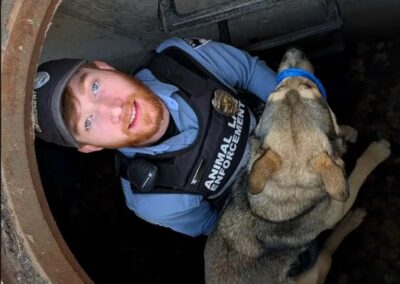
As winter unleashes its fiercest temperatures, some of the most vulnerable lives are those without shelter — including our canine companions.
In late January and early February, animal rescue teams in the Southeast executed two major rescue missions that ultimately saved nearly 94 dogs and puppies from dangerously cold conditions and neglect.
The operations were led by the Animal Rescue Corps (ARC), a nonprofit dedicated to responding to large‑scale pet emergencies and animal cruelty situations.
With temperatures dipping into the low teens — and in some cases as cold as 11 degrees Fahrenheit — dogs left outside without adequate shelter were facing extreme risk of hypothermia, frostbite, or worse.
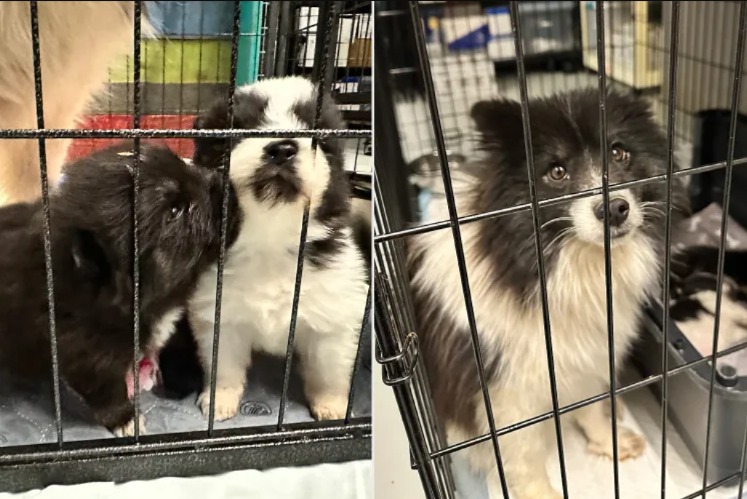
The first rescue, called Operation Winter Storm Fern, took place in DeKalb County, Tennessee. Local animal control alerted ARC after observing a large group of Pomsky dogs — a mixed breed of Husky and Pomeranian — living outdoors with minimal protection from the elements.
Among them was Phoebe, a new mother whose puppies were only about four weeks old, barely weather‑ready in their small enclosure.
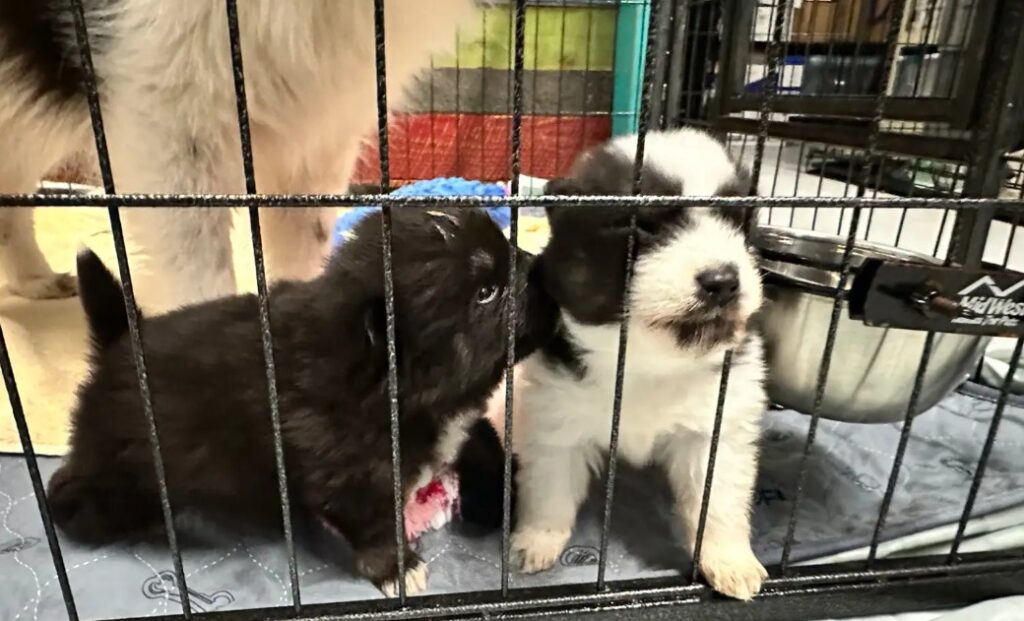
Many of the dogs had been confined in makeshift pens, some with only a barrel or a wooden lean‑to for shelter. Even dogs bred for cold weather struggle to survive in such exposure without proper shelter and warmth.
ARC’s executive director, Tim Woodward, explained that the condition of the site — combined with freezing temperatures — made the situation urgent. Law enforcement worked alongside the rescue team to ensure full surrender of all 43 dogs after hours of negotiating with the owner.
Once secured, the dogs were transported to partner organizations, including Fetching Tails, where Phoebe and her puppies received the vital medical care, warmth, and socialization they needed.
Phoebe’s pups — along with many of the other rescued dogs — were described by rescuers as gentle, affectionate, and well suited for rapid placement into loving homes.
Almost simultaneously, a second rescue known as Operation Broken Ties was underway. This mission focused on 51 dogs from a failed animal rescue facility in Arkansas.
Unlike the Pomskys, these dogs had been spayed or neutered, which accelerated their readiness for adoption and foster care. Many had spent years housed in barren cages, some trapped in those conditions for up to a decade.
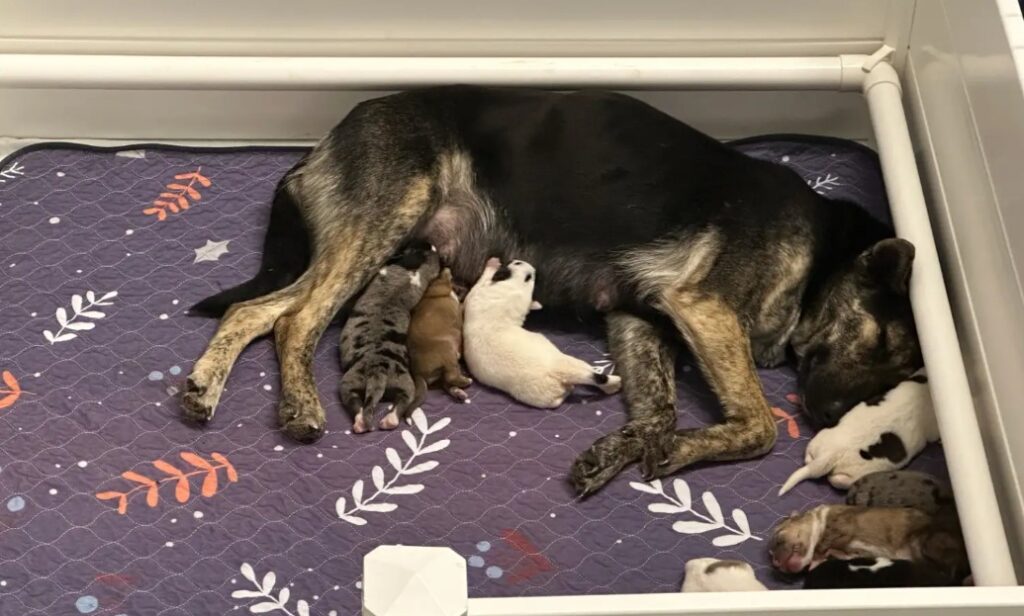
One especially poignant success from the Arkansas group was Gladys, a pregnant dog who was close to giving birth when she was rescued. In the safety of dedicated foster care, she delivered nine healthy puppies, a moment of life and hope that stood in stark contrast to the dangerous conditions she had just escaped.
The work of ARC and its partners didn’t just remove dogs from freezing conditions — it connected them with the resources they needed to recover physically and emotionally.
After days or even weeks outside with minimal shelter, each dog received veterinary checks, warm bedding, food, and social support while they transitioned into foster homes.
One of the key lessons rescuers emphasized is that rescue is not just physical removal from harm — it’s about ensuring long‑term stability.
As Woodward explained, having a roof and food doesn’t automatically equal a safe life. Dogs need families and environments that meet their needs for companionship, training, and care for the rest of their lives.
These dual winter rescues highlight how coordinated responses between animal control, nonprofit rescuers, and volunteer partners can make an enormous difference in extreme weather crises.
From tiny puppies to long‑neglected adults, all 94 dogs were given a second chance — not just to survive, but to thrive in warmer, safer settings.
In a season where cold and hardship intersect, stories like these remind us of both the fragility and resilience of life — and the powerful impact that compassion and action can have, one rescue at a time.