Traveling with your dog can be one of life’s greatest joys — and one of its greatest stressors if you aren’t prepared.
Whether you’re planning a quick weekend getaway, a cross-country road trip, or hopping on a flight with your best friend, the difference between a smooth journey and a chaotic one often lies in the planning you do before you go.
This isn’t just about comfort — it’s about safety, confidence, and ensuring that your dog’s physical and emotional needs are met every step of the way.
Let’s walk through the ultimate road map for traveling with your dog — in a way that’s practical, detailed, and actually useful.
Why Preparation Matters More Than You Think
Dogs aren’t just “along for the ride.” They’re living beings with specific needs, instincts, and sensitivities. Travel exposes them to:
- New environments
- Strange noises
- Motion and confinement
- Unfamiliar people and animals
- Changes in routine
Without proper preparation, these variables can become stressors that lead to anxiety, ill-health, or even dangerous situations.
Being organized helps both you and your dog feel confident, calm, and ready for adventure.
Step 1: Visit the Vet Before You Travel
Before you plan your routes or book flights, schedule a vet checkup — ideally 2–4 weeks before departure. Even healthy dogs benefit from this visit, because:
- Vaccinations can be updated
- Worming or flea/tick prevention can be applied
- Medications can be filled
- Your vet can provide health certificates — required for many flights and international travel
- You’ll get personalized tips based on your dog’s age, breed, and health status
If your dog has any chronic conditions — arthritis, heart issues, mobility challenges, or anxiety — your vet can tailor care and prescribe medicines that can make travel easier and safer.
Step 2: Gear Up Properly
ID and Microchip
Make sure your dog’s collar ID tag has up-to-date contact info. A microchip is essential — especially when traveling far from home.
Crates, Harnesses, and Carriers
Your dog’s travel equipment should be:
- Comfortable
- Secure
- Vet-approved (especially for airlines)
In cars, use a crash-tested harness or travel crate. On planes, check airline requirements to ensure your dog’s carrier fits size and ventilation rules.
Comfort Items
Familiar smells reduce stress: a favorite blanket, toy, or even a shirt worn recently can help your dog stay calm.
First Aid and Backup Supplies
Pack a pet first-aid kit with:
- Bandages and antiseptic wipes
- Scissors and tweezers
- Medications
- Emergency contact cards
- A recent photo of your dog
Step 3: Master the Car Ride
Never Leave Your Dog Unattended in the Car
Even with windows cracked, temperatures can spike and become lethal in minutes. This isn’t just uncomfortable — it’s dangerous.
Build Positive Associations
Before long drives, take your dog on short “practice runs.” Reward calm behavior with treats and praise so your dog learns that car rides are positive, not stressful.
Frequent Breaks
Stop every 1–2 hours for water breaks, bathroom time, and a short walk. This helps regulate your dog’s comfort and keeps them relaxed.
Seatbelts Are Not Just for Humans
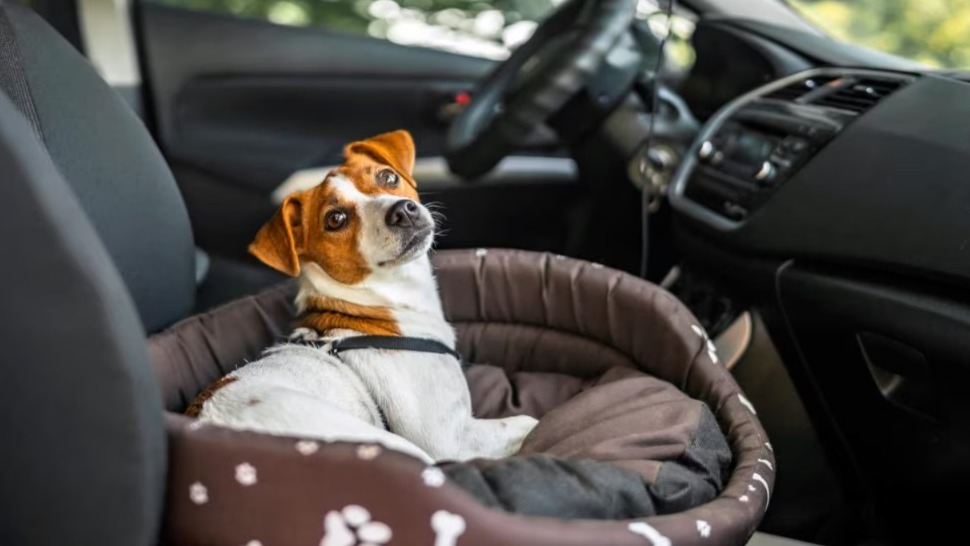
Use appropriate safety harnesses or crates. Loose dogs in a moving vehicle are a risk to themselves and others.
Step 4: Air Travel? Here’s What You Need to Know
Flying can be intimidating for dogs, but with the right preparations, it can be manageable.
Know the Rules
Every airline has its own:
- Crate specifications
- Breed restrictions
- Health certificate requirements
- Seasonal flight embargoes (heat or cold restrictions)
Cabin vs. Cargo
Smaller dogs often travel in the cabin with you; larger ones may ride as checked baggage or cargo. Don’t assume cargo is unsafe — choose airlines with strong pet safety records.
Condition Your Dog
Days before departure, leave the travel crate open at home with familiar bedding and treats. This helps reduce fear and stress later.
Step 5: Hotels, Parks & Unexpected Stops
Book Pet-Friendly Places in Advance
Not all hotels accept pets, and those that do may have limits on size, number, or breed. Call ahead. Verify policies and fees.
Pack for Comfort on the Go
Besides food and water, pack:
- Portable bowls
- Waste bags
- Leash and harness
- Light rain gear for pups that venture outdoors
- A familiar blanket or bed
Respect Wildlife and Other Travelers
Keep your dog leashed unless you’re in a designated off-leash area. Cleaning up after your dog isn’t just courtesy — it’s essential to the natural environment.
Step 6: Signs Your Dog Needs a Break
Even with all your preparation, dogs can get overwhelmed. Watch for signs of:
- Panting, pacing, restlessness
- Whining or barking
- Trembling
- Loss of appetite
If you observe these, offer a quiet break, a familiar comfort item, or a short nap. Don’t push — stress isn’t just emotional, it affects digestion, immunity, and behavior.
Step 7: Returning Home — Don’t Skip the Cool-Down
After a long trip:
- Let your dog sleep
- Re-establish routines quickly
- Offer quiet time and familiar smells
Dogs recover best when their world stabilizes again.
Final Thoughts: Travel Is a Gift — When Done Right
Traveling with your dog doesn’t have to be stressful. With thoughtful preparation, a calm mindset, and attention to your dog’s emotional as well as physical needs, you’ll create memories that last far longer than the trip itself.
Your dog isn’t just along for the ride.
They’re your partner in adventure — and with the right planning, that partnership can take you both anywhere you want to go.