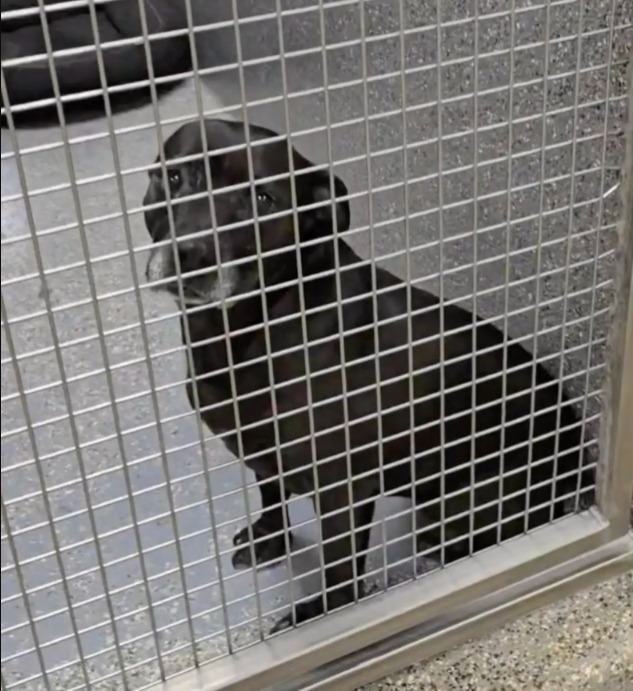
Every volunteer at that shelter had an extra-soft spot for him. He wasn’t flashy. He didn’t bounce off walls or bark his head off.
He simply was—patient, gentle, tail wagging, the kind of dog you’d call “easy.” And yet: repeatedly, he came back. Returned by family after family.
The staff at The Dodo reported that despite being their favorite, the dog kept being returned for reasons no one could quite understand.
Let’s call him Buddy (name changed). Buddy arrived under typical shelter circumstances: surrendered, unsure of his past, ready for something better.
Staff quickly warmed to him. He greeted people politely, played gently with others, accepted treats, sat calmly during walking breaks.
If you were to pick a “good dog,” he’d be high on the list.
Weeks would pass. Then someone adopter came. They were excited. Took him home. In many cases they posted “look who I’m fostering/adopting” photos.
The shelter staff cheered. But then: a phone call. “We need to return Buddy.” Sometimes after a few days. Sometimes a few weeks.
Each time, the adopter gave a reason. Many were vague: “He’s not a good fit,” “We underestimated things,”
“Something changed.” But no consistent explanation emerged.
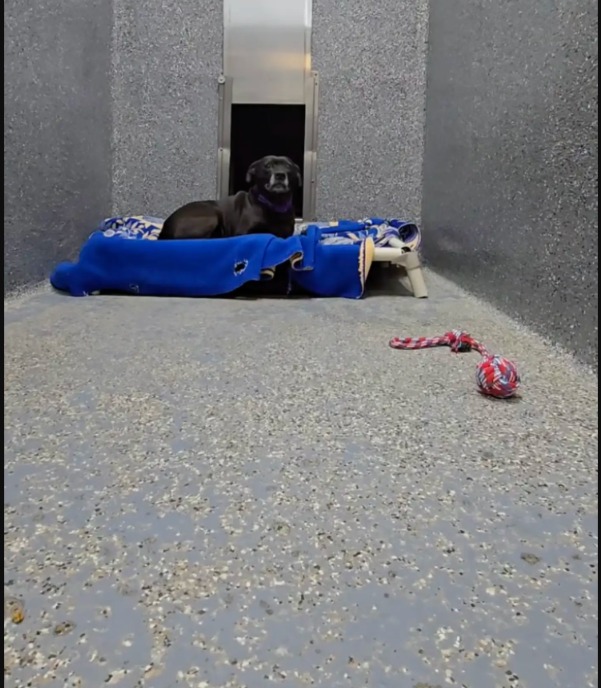
It left the staff scratching their heads. How could this dog—so beloved, so easy in the shelter—keep losing his home? It didn’t make sense.
They knew the heartbreak of watching other dogs wait years for adoption. They knew once Buddy found a home it should stick.
But each time: back to the kennel.
The pattern began to weigh on everyone. Volunteers who walked him every day started refusing to cheer too loudly for his “next” placement.
Because they’d seen it before. The hopeful smile of an adopter, then the car ride back without Buddy.
Some staff admitted they started to avoid looking at his file altogether—too many chances, too many losses.
Here’s the thing: when a dog is returned multiple times, it isn’t just paperwork. It’s emotional. For the dog. For the people around him.
Imagine thinking you finally found love, only to be sent out the door again. For Buddy, the routine had to feel confusing.
He’d get excited, see a person come, get ready to go home—and yet, see the kennel walls again.
There’s a deeper lesson here about rescue, adoption, and fit. A shelter dog isn’t a guarantee of instant happiness.
Even ones who seem “easy” may have needs not obvious at first glance. Maybe Buddy needed someone with patience or structure the adopters weren’t prepared for.
Maybe the transition from kennel to home triggered unknown fears or routines.
Maybe the adopters expected “perfect” overnight and couldn’t bridge the unknowns.
Research indeed shows that many dogs returned to shelters aren’t inherently bad—they were maybe mismatched.
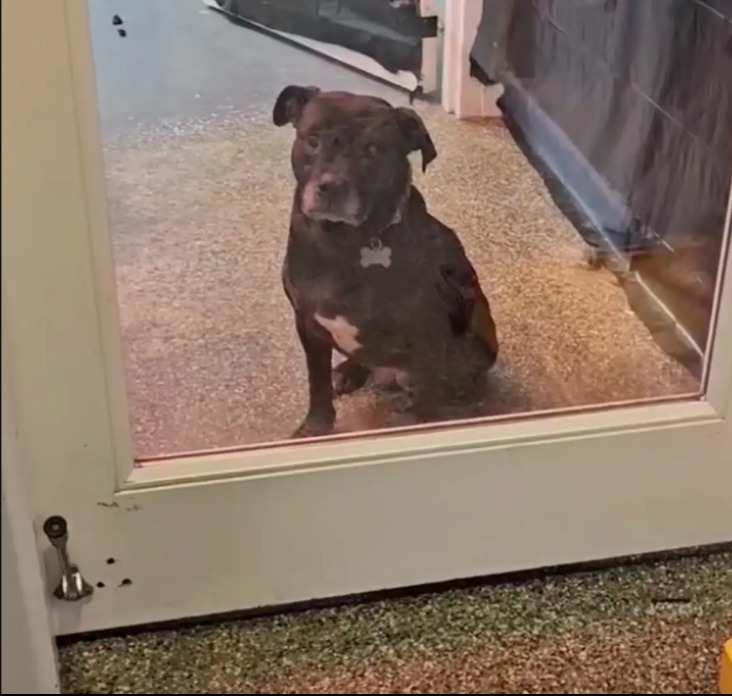
So what now for Buddy? The shelter didn’t give up. They stepped back, looked for what would make a home succeed for him.
The right adopter: someone who wouldn’t treat him like a finished product, but like a part of the family who needs time, room to settle, space to be understood.
And for you reading this? If you’re thinking about adoption, whether from a shelter or rescue: consider this story. It’s okay to fall in love at first sight.
It’s even okay to realize you might not be the right match. What matters most is the dog finding the right home—even if it takes longer than we’d hope.
Buddy isn’t just a “favorite dog at the shelter.” He’s a reminder: behind every wagging tail is a story. A chance. A hope.
When he finally finds his forever home—and we believe he will—the joy will be all the larger for the wait.
Because sometimes the dog who looks the easiest is the one who needs the most patience.
And every dog deserves that.