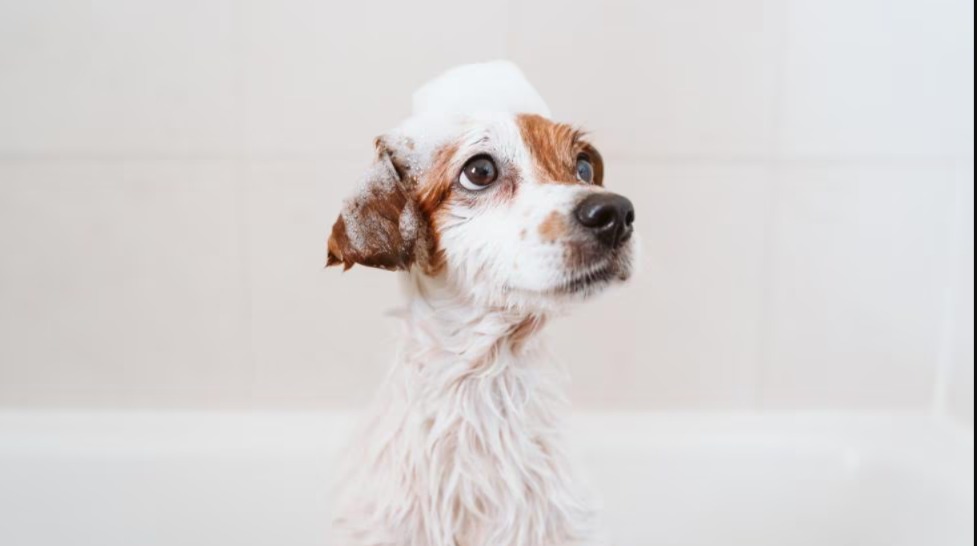
Bringing a new puppy home is one of life’s great joys — but it also comes with responsibilities that are more than feeding, potty training, and playtime. One foundational skill every dog parent needs is grooming, and introducing grooming early helps keep your puppy healthy and happy for years to come.
Whether you plan to groom your puppy at home or rely on professional services, starting the process in a positive way can make routine care a breeze instead of a battle.
Grooming isn’t just about making your puppy look cute. It’s an essential part of her overall wellbeing that prevents skin infections, stops painful matting, protects paws from injury, and supports dental and ear health.
Regular grooming also gives you a chance to inspect your puppy for ear infections, parasites like fleas, bumps, scabs and other issues you might not otherwise notice.
Start Early and Keep It Positive
The key to successful puppy grooming is acclimation. You can begin as soon as your puppy arrives home. Start with soft brushing and gentle handling of feet, ears, belly, and other sensitive areas so she becomes comfortable with touch.
These early sessions should be short, positive, and reward-rich — praise and treats go a long way in building good associations.
Dental care can start at the same time. Let your pup sniff and taste dog-safe toothpaste, then gently touch her teeth with a dog toothbrush.
Over time, she’ll go from sniffing and licking to a full mouth brushing — and you’ll both benefit from better long-term oral health.
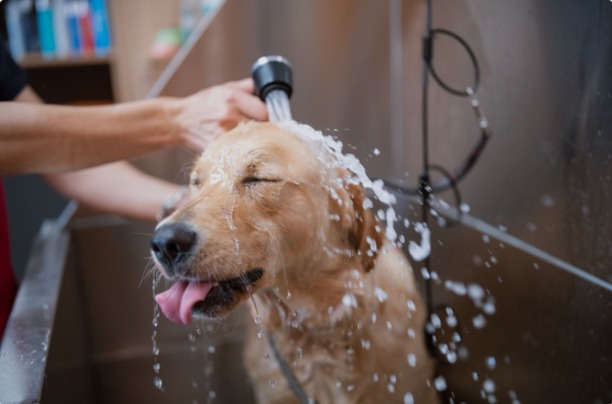
Professional Grooming: When and How
Most veterinarians recommend introducing professional grooming when your puppy is up-to-date on boosters, typically around 12 to 14 weeks old.
This exposes her to a salon environment while she’s still young and adaptable — which can make future visits much less stressful.
Long-haired or curly-coated babes like Maltese, Poodles, or Doodles may need grooming even sooner to prevent mats and tangles. Professional groomers can handle baths, hair trims, ear care, and nail trims, and they often spot health issues that owners might miss.
When choosing a groomer, look for recommendations from your veterinarian or trusted friends. Visiting the facility beforehand helps ensure it’s clean and your puppy will be in safe, comfortable hands.
The Grooming Routine at Home
If you handle grooming yourself between professional appointments, there are a few basics every puppy needs:
- Brushing: Depending on coat type, daily brushing keeps mats and tangles at bay. Longer fur requires more frequent attention than short coats. Speak softly and move slowly — grooming shouldn’t feel like a chore for your pup.
- Bathing: Use shampoo formulated specifically for dogs (human products can irritate canine skin). A gentle bath helps keep her clean, especially after playtime or outdoor adventures.
- Nail Care: Introduce nail clippers or a grinder slowly. Touching her paws regularly and associating handling with treats will reduce anxiety. Trim nails when they touch the ground or make a clicking sound on hard floors — overgrown nails can be painful or lead to injury.
- Ear Cleaning: Dogs with long or floppy ears benefit from routine ear care, which helps prevent infections. Always use a vet-approved solution, and never insert cotton swabs deep into the ear canal — that can cause damage.
- Dental Brushing: Daily toothbrushing — even a few teeth at a time — helps prevent plaque and tartar buildup, reducing the risk of dental disease later in life.
Above all, keep these activities short, consistent, and rewarding. Frequent positive sessions help your puppy see grooming as normal good fun, not something to fear.
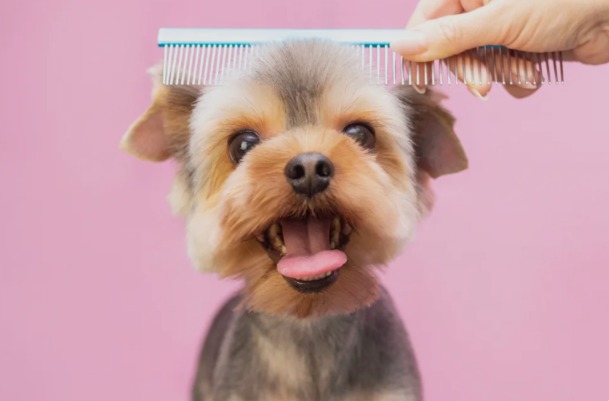
Grooming Tools to Have on Hand
A basic home grooming kit doesn’t need to be elaborate but should include:
- A brush or comb suited to your puppy’s coat
- Nail clippers or a grinder
- Dog-safe shampoo
- Toothbrush and dog toothpaste
- Ear-cleaning solution (used under veterinary guidance)
These tools let you keep up with routine needs and ensure your puppy remains comfortable between professional grooming appointments.
Troubleshooting and Tips
Don’t stress if your puppy wiggles or pops his head away during early grooming sessions — that’s normal. The secret is patience and building positive associations. Reward cooperation with treats and praise. Take breaks before frustration sets in.
If certain procedures (like nail trims or dryer noise) seem scary, introduce them gradually — perhaps with a treat during each step — so your puppy learns to relax.
If your puppy seems especially anxious or resistant, your veterinarian can offer tips tailored to your dog’s temperament or even suggest a desensitization plan.
Grooming Is a Lifetime Gift
Whether you groom at home or work with a professional, early positive grooming experiences help ensure your puppy grows into a comfortable, confident adult dog.
Grooming supports hygiene and health, but it also strengthens the bond between you and your puppy — transforming an often-neglected task into quality time you both enjoy.
With the right approach, grooming won’t just keep your pup looking great — it can become one of her favorite ways to feel cared for, secure, and connected to you.
Related posts:
 Stop Letting Your Dog Go Stale—Hit the Trails and Transform Your Lives
 Four Feet, Warm Hearts & Health Perks: Why Volunteering with Animals Is So Good for You
 The Hidden Dangers in Leaf Piles (and How to Make Leaf Play Safe for Dogs)
 Don’t Just Trick or Treat — Throw a Halloween Bash for Your Dog (and Survive It)