It started like any ordinary day at home — quiet, routine, nothing out of place. But for one family, that calm was about to be broken by a moment that would remind them just how extraordinary a dog’s love can be.
Somewhere in the house, their young child was slipping into danger.
No alarms. No obvious signs. Nothing a human eye could immediately catch.
But their dog knew.
Trained as a diabetic alert dog, this loyal companion had a job — one that went far beyond fetch or cuddles. He was there to watch over his boy, to sense what others couldn’t, and to act when it mattered most. And on this day, that instinct kicked in with urgency.
Without hesitation, the dog began alerting the family.
He didn’t bark randomly or wander aimlessly. His behavior was focused, intentional — the kind of signal that said, something is wrong right now. He approached, insisted, and refused to be ignored. It was enough to make the family stop what they were doing and check on their child.
What they found was terrifying.
The child’s blood sugar had dropped to a dangerously low level — a condition that can escalate quickly into confusion, unconsciousness, or worse if not treated in time. But thanks to the dog’s alert, they were able to step in before the situation spiraled further.
And just like that, a quiet moment turned into a life-saving one.
How Dogs Can Sense What We Can’t
It might sound unbelievable, but dogs like this aren’t guessing. They’re trained — and biologically equipped — to detect subtle chemical changes in the human body.
When blood sugar levels rise or fall, the body releases specific scents that humans can’t perceive. Dogs, however, can pick up on these changes with astonishing precision.
In fact, their sense of smell is so advanced that many diabetic alert dogs can recognize shifts in blood sugar before symptoms even begin.
That means they don’t just react to emergencies — they can help prevent them.
These dogs are trained to respond in clear, recognizable ways: pawing, nudging, staring, or persistently seeking attention until someone takes action. And in many cases, like this one, that alert becomes the difference between a close call and a crisis.
The Moment After the Storm
Once the family intervened and the child was safe again, the tension in the room shifted. Relief replaced fear. Breathing slowed. Hearts steadied.
And the dog?
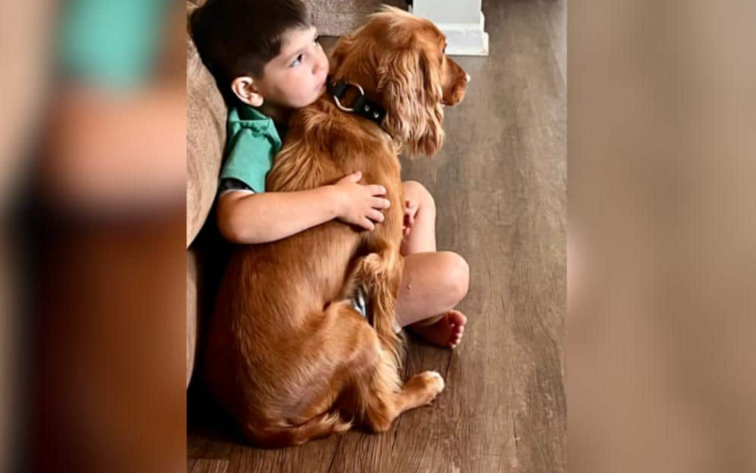
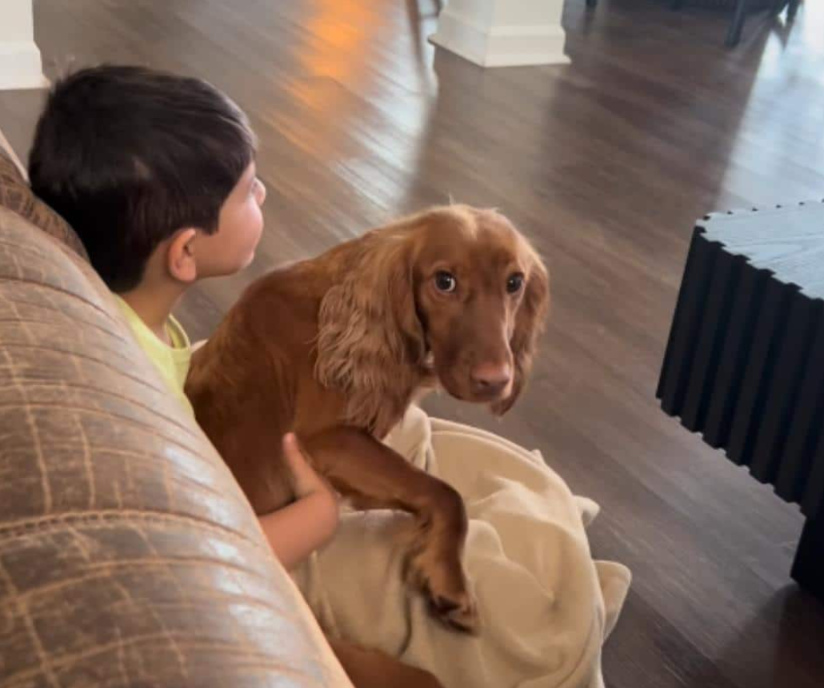
He climbed right into the child’s lap.
No commands. No training cues. Just instinct.
After doing his job — after sounding the alarm and helping save the day — he curled up beside the very person he had just protected. It was quiet, gentle, and deeply emotional. A moment of connection that didn’t need words.
Because this wasn’t just about training.
This was about love.
More Than a Service Dog
Stories like this blur the line between “working dog” and “family member.” Yes, diabetic alert dogs are trained. Yes, they follow protocols and behaviors. But what they bring into a home goes far beyond function.
They bring reassurance.
They bring vigilance.
They bring a kind of silent protection that never switches off — even when everyone else is asleep.
For families living with conditions like Type 1 diabetes, that kind of support is priceless. Blood sugar levels can change rapidly, and not every person feels the warning signs in time. A dog who can detect those changes early becomes an extra layer of safety — one that’s always present, always watching.
And sometimes, as this family experienced, that layer of safety becomes a lifesaver.
A Reminder We All Need
It’s easy to think of dogs as companions — loyal, loving, always happy to see us. But stories like this remind us that they are also something more.
They are protectors.
They are partners.
They are, in many ways, quietly heroic.
This dog didn’t wear a cape. He didn’t make a dramatic entrance. He simply did what he was trained — and what he felt — was right.
He noticed.
He acted.
He stayed.
And in the end, after everything was said and done, he did what dogs do best…
He leaned in close, rested beside his boy, and made sure he wasn’t alone.
Because sometimes, the greatest heroes don’t just save lives—
They stay to comfort them, too.