Bringing home a puppy is one of life’s happiest moments.
Tiny paws. Curious eyes. That clumsy little run across the living room that makes everyone laugh.
But along with the joy comes something else every new dog owner quickly realizes:
Puppies don’t arrive knowing the rules.
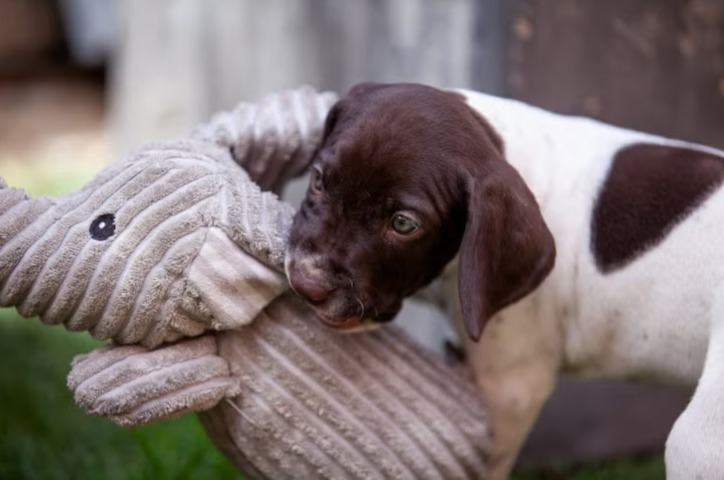
They chew things they shouldn’t.
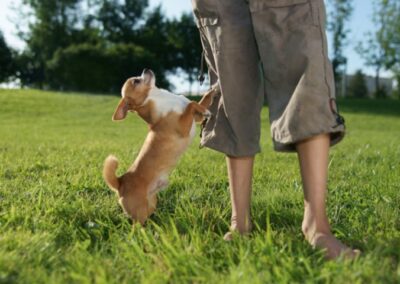
They jump when they’re excited.
They explore the world with boundless curiosity.
Training isn’t about taking the fun away from puppyhood. It’s about giving that energy direction — and building a language between you and your dog.
The good news?
You don’t need dozens of commands to start building a well-behaved, confident dog.
Just five.
These five simple commands form the foundation of communication, safety, and trust between you and your puppy.
And once they’re mastered, everything else becomes easier.
1. Sit: The First Step to Focus
“Sit” is usually the very first command puppies learn — and for good reason.
It’s simple, natural, and incredibly useful in everyday life.
A puppy who can sit on cue is already learning something important: calm behavior gets attention and rewards.
Instead of jumping up when greeting people, a puppy who sits politely gets pets faster. Instead of bouncing around during feeding time, sitting becomes the polite way to ask for dinner.
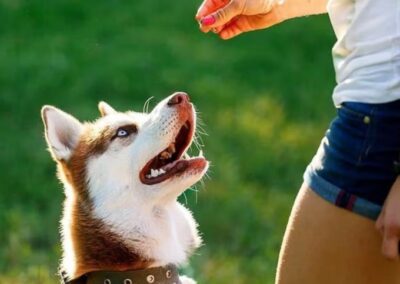
Training it is straightforward. Hold a treat close to your puppy’s nose and slowly move it upward and slightly back over their head. As their eyes follow the treat, their bottom will naturally lower to the ground.
The moment it happens, reward immediately.
Soon your puppy will connect the word “sit” with the action — and you’ll have your first reliable command.
2. Stay: Building Patience and Control
Puppies are bundles of motion.
Which is exactly why “stay” is such an important skill.
This command teaches impulse control. It helps your puppy pause instead of rushing forward, whether that’s toward food, guests, or an open door.
Start small.
Ask your puppy to sit, then say “stay” while holding your palm out in a gentle stop gesture. Take one small step back.
If your puppy remains in place, reward them immediately.
Gradually increase distance and time. A few seconds becomes ten seconds. One step becomes several.
Patience grows slowly — but the result is a dog that understands how to wait calmly.
And that’s a skill that pays off for the rest of their life.
3. Come: The Command That Keeps Them Safe
If there’s one command every dog must know, it’s this one.
“Come” can literally save your dog’s life.
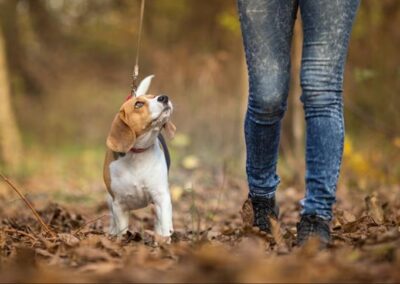
Whether they slip their leash or wander too far in a park, a reliable recall brings them back to you when it matters most.
The key to teaching it is making it the best invitation in the world.
Call your puppy in a happy voice: “Come!”
When they run toward you, celebrate. Treats, praise, play — whatever makes their tail wag hardest.
Never punish a dog after they come when called. Even if they were misbehaving moments earlier, returning to you must always feel safe and rewarding.
Because the goal is simple:
When your puppy hears that word, they run toward you without hesitation.
4. Down: Learning to Relax
While puppies love to play, they also need to learn how to settle.
The “down” command helps create calm moments during busy days.
It’s especially useful when guests visit, during meals, or when you simply want your puppy to relax beside you.
To teach it, begin with your puppy in a sitting position. Hold a treat near their nose, then slowly move it down toward the floor and slightly forward.
As they follow the treat, their body will naturally lower into a lying position.
The instant their belly touches the ground, reward them.
Over time, “down” becomes a signal that it’s okay to rest — something every energetic puppy eventually needs.
5. Leave It: The Lifesaving Skill
Puppies explore the world with their mouths.
Unfortunately, that curiosity can sometimes lead them toward things they shouldn’t touch — dropped food, household items, or even dangerous objects.
That’s where “leave it” becomes essential.
Hold a treat in one hand and close your fist around it. Let your puppy sniff and investigate, but don’t open your hand.
The moment they stop trying to get it — even briefly — reward them with a different treat from your other hand.
They quickly learn something powerful:
Ignoring something tempting can lead to an even better reward.
Eventually, the command works in real-life situations — helping your puppy walk past things they shouldn’t grab.
Training Is Really About Trust
These five commands may seem simple.
But they represent something much bigger than obedience.
They create a shared language between you and your puppy.
Every successful “sit,” every happy recall, every calm “stay” strengthens the bond you’re building together.
Training sessions don’t need to be long. In fact, short and fun sessions often work best.
Five minutes here. Ten minutes there.
A handful of treats. A lot of praise. Plenty of patience.
Because at the end of the day, the goal isn’t perfection.
The goal is connection.
And those tiny training moments — repeated day after day — slowly turn a playful puppy into a confident companion who understands you, trusts you, and wants nothing more than to stay right by your side.