
It starts small.
Maybe your dog seems a little more tired than usual. Maybe their appetite shifts. Maybe there’s a soft stomach gurgle you can’t quite explain.
Nothing dramatic. Nothing urgent.
But sometimes, the smallest signs are the ones worth paying attention to.
Intestinal worms are one of the most common — and most overlooked — health issues in dogs. They don’t always announce themselves loudly. They don’t always cause immediate distress. Yet left untreated, they can quietly affect your dog’s comfort, nutrition, and overall health.
The good news? They’re manageable. Treatable. Preventable.
But first, you have to know what you’re dealing with.
The Most Common Culprits
There are several types of intestinal parasites that commonly affect dogs:
Roundworms are especially common in puppies. They can be transmitted from mother to pup and often cause a bloated belly, poor growth, diarrhea, or vomiting.
Hookworms attach to the intestinal lining and feed on blood. In severe cases, they can lead to anemia — particularly dangerous for young dogs.
Whipworms live in the large intestine and may cause chronic diarrhea or weight loss.
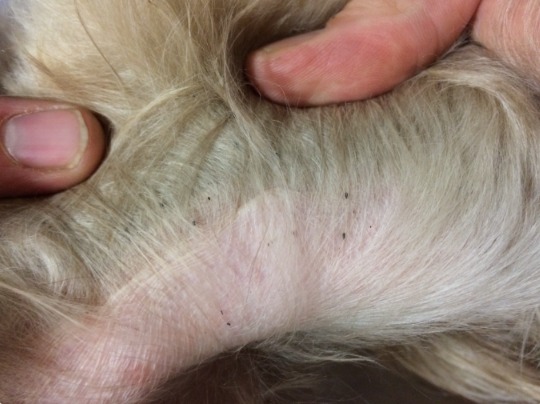
Tapeworms are often contracted through fleas. You might notice small, rice-like segments around your dog’s rear or in their bedding.
Each type behaves differently. But they share one thing in common: they live where they don’t belong.
How Dogs Get Worms
Dogs explore the world with their noses — and often their mouths.
They can pick up worm eggs from contaminated soil, feces, water, prey animals, or fleas. Even well-cared-for pets who rarely leave the backyard aren’t immune. Parasite eggs are microscopic. They can linger in the environment longer than you’d expect.
Puppies are particularly vulnerable. Their immune systems are still developing, and some worms can even pass through the placenta before birth.
It’s not about being a “bad” dog parent.
It’s about biology.
The Signs You Shouldn’t Ignore
Sometimes symptoms are obvious. Other times, they’re subtle.
Watch for:
- Diarrhea (sometimes with blood or mucus)
- Vomiting
- Weight loss despite normal appetite
- A swollen or pot-bellied appearance (especially in puppies)
- Dull coat
- Lethargy
- Scooting
- Visible worm segments
Some dogs show no symptoms at all — which is why routine fecal exams are so important. A simple stool test at your veterinarian’s office can detect parasite eggs before serious damage occurs.
Prevention is far easier than crisis management.
Why Treatment Matters
It can be tempting to dismiss mild symptoms.
But intestinal worms compete with your dog for nutrients. They irritate the intestinal lining. In severe cases, especially with hookworms, blood loss can become life-threatening.
There’s also a human health component to consider. Some intestinal parasites can be transmitted to people — particularly children — through accidental contact with contaminated soil or feces.
This isn’t meant to alarm you.
It’s meant to empower you.
Because treatment today is straightforward.

Safe, Effective Solutions
If your veterinarian diagnoses intestinal worms, they’ll prescribe a deworming medication specific to the parasite involved. Different worms require different treatments.
Many dogs also benefit from routine monthly preventatives that protect against multiple parasites at once — including heartworms, roundworms, hookworms, and sometimes whipworms.
Consistency matters.
Missing doses creates gaps in protection. And parasites take advantage of gaps.
For households with multiple pets, your veterinarian may recommend treating all animals simultaneously to prevent reinfection.
Clean up feces promptly. Maintain flea prevention. Wash hands after handling soil or waste.
Small habits. Big impact.
A Healthy Belly Means a Happier Dog
Dogs can’t tell us when their stomach feels “off.” They don’t explain subtle discomfort.
They just keep loving us. Keep playing. Keep showing up.
Our job is to notice what they can’t articulate.
Routine veterinary care, preventive medication, and awareness of symptoms protect more than just digestion. They protect energy, comfort, longevity.
And when your dog feels good inside, you see it everywhere else — in brighter eyes, steadier weight, playful bursts of energy, deeper sleep.
Intestinal worms may be common.
But suffering from them doesn’t have to be.
Because responsible care isn’t about reacting to emergencies.
It’s about staying one gentle step ahead — so your dog can keep doing what they do best:
Living fully. Loving freely. And trusting that you’ve got their back.
Related posts:
 The Heavy Truth: How Dog Obesity Silently Steals Joy (and Years)
 Dog Allergy Signals Explained: Food Allergies Compared With Seasonal Triggers
 Why Spaying and Neutering Your Pet Is One of the Most Responsible Choices You Can Make
 Decoding the “Bad Dog”: Why Your Pup’s Habits Are Actually a Cry for Connection