
We have all been there. You are walking through the park, the sun is shining, and you feel a swell of pride as your dog trots perfectly by your side. For a moment, you feel like the ultimate team—a duo perfectly in sync. Then, it happens. A leaf skitters across the pavement, a neighbor’s cat peeks from under a car, or the dreaded “S-word”—a squirrel—darts across the path.
In a heartbeat, that invisible bond of communication snaps. Your dog is no longer hearing your voice; they are miles away in their own world of instinct and adrenaline, and you are left at the other end of the leash, feeling invisible and perhaps a little bit defeated. It is a frustrating, heart-sinking moment that every dog owner knows all too well, but it is also the threshold to a deeper, more resilient kind of relationship.
Teaching a dog to ignore the world and choose you instead is a process trainers call “proofing.” At its heart, proofing isn’t just about obedience or showing off at a dinner party; it is about safety, trust, and the profound emotional connection that allows a dog to feel secure even when the environment is chaotic.
When we ask our dogs to ignore a distraction, we aren’t just asking them to “be good.” We are asking them to override thousands of years of predatory instinct and environmental curiosity in favor of a single, steady anchor: us. This journey from a reactive, distracted pup to a focused partner is built on a foundation known as the “Three D’s”—Distance, Duration, and Distraction.
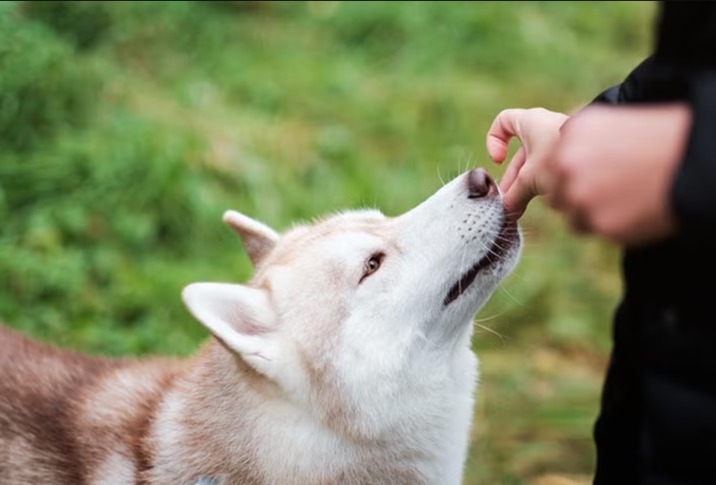
The first step in this emotional and tactical training is understanding that your dog isn’t being “bad” when they get distracted; they are simply being a dog. The world is a sensory explosion of smells, sights, and sounds that we can barely imagine. To compete with that, we have to start small. Imagine trying to learn high-level calculus in the middle of a rock concert—you would fail.
Your dog is the same. Proofing begins in the quietest corner of your living room, where the only “distraction” might be a familiar toy on the floor. Here, you build the “Duration,” teaching them that holding a command like “stay” or “watch me” provides a sense of calm and a guaranteed reward. This is where the seed of focus is planted, far away from the overwhelming stimuli of the outside world.
As that focus takes root, we introduce “Distance.” This is where the emotional stakes begin to rise. Distance is about trust. It is the practice of moving a few steps away while your dog remains steady, or practicing a recall from across the yard. Each foot of space between you is a tether made of training and love.
You are teaching your dog that even when you aren’t right next to them, the connection remains. Once they can handle the distance in a quiet space, you slowly introduce “Distraction.” You might bounce a ball nearby or have a family member walk through the room.
The goal is to set your dog up for success, never pushing them so far that they fail, but always nudging them to find their center of gravity back in your eyes.

The emotional payoff of this work is staggering. There is a specific look a dog gives you when they see a distraction—a barking dog or a tempting discarded sandwich—and then consciously turn their head away to look at you for guidance. In that split second, they have made a choice.
They have weighed the entire world and decided that you are more important, more rewarding, and more interesting than anything else. To make this choice easier, we must be fair “employers.” If we are asking for high-level focus in a high-distraction environment, the “paycheck” must match.
This is the time for the “jackpot” rewards—the tiny pieces of steak or the favorite squeaky toy that only comes out for the hardest jobs.
Ultimately, training your dog to ignore distractions is the highest form of care you can provide. It is the difference between a dog who must be kept on a tight, restrictive lead at all times and a dog who can eventually enjoy the freedom of a long line or a safe off-leash area because you know they will come back when called.
It is about preventing the tragedy of a dog bolting into a busy street because they saw a cat. By putting in the hours of repetitive, patient proofing, you are building a safety net that could one day save their life. It isn’t a fast process, and there will be days when the squirrel wins.
But with every successful “Leave It” and every focused “Watch Me,” you are weaving a bond that is stronger than any leash. You are becoming your dog’s world, just as they have already become yours.