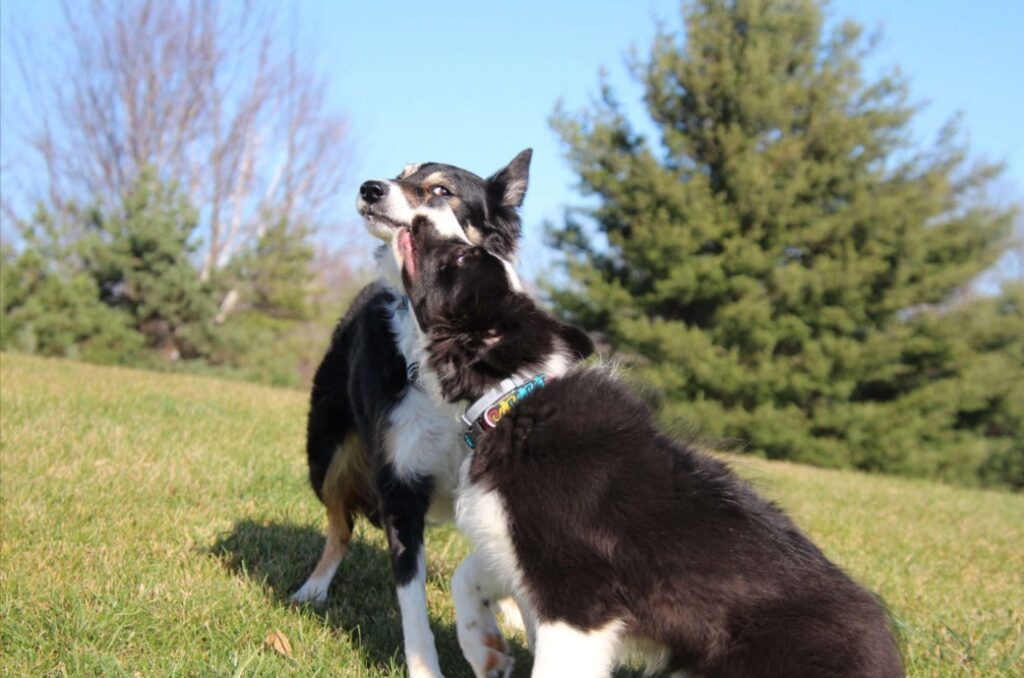
Watching two dogs romp, chase, and tumble together in the grass does more than make us smile — it can also show us something profound about communication, boundaries, and respect. But not all dog play is created equal, and understanding what makes play polite is one of the most important skills any dog owner can learn.
According to trainer and behavior expert Patricia McConnell, the key lies in honoring pauses and signals between playmates — a lesson many dogs need to be taught.
Play between dogs isn’t random chaos; it’s a nuanced conversation. Some dogs immediately grasp the rhythm of play — chase, bow, stop, restart — while others interpret it differently or miss the subtleties entirely.
When one dog begins to signal a pause — perhaps stopping suddenly, turning their body away, or looking at their partner — that’s a clear message. These signals — often called “cut‑off signals” — are how a dog politely communicates, “I’m done with this for now.”
This is where the magic — and the challenge — of polite dog play begins. A dog who honors these pause signals shows respect for the other’s limits. They stop chasing, stop roughhousing, or disengage.
That break in play gives both dogs a chance to catch their breath, reduce their emotional arousal, and decide whether they want to continue. When this rhythm is respected, play stays fun and mutual.
But when one dog ignores the other’s request to pause, play can quickly escalate into conflict — making the experience stressful rather than joyful.
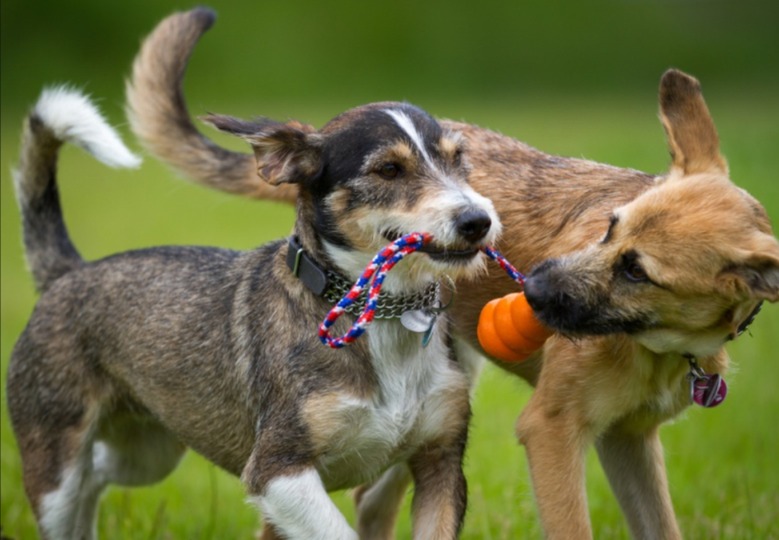
McConnell shares examples from her own dogs to illustrate how this works in real life. She tells the story of Skip and Maggie, a pair who fell in love immediately but needed guidance on how to play politely. Skip, the younger dog, didn’t naturally understand why charging at Maggie at full speed often ended play abruptly.
Through guided practice — and sometimes the help of tug toys and calm intervention — Skip learned to both give and respect space when Maggie signaled she needed a break.
Honoring another dog’s pause doesn’t just prevent rough play — it builds confidence and trust. In one example, when Maggie stopped play to investigate a stick, Willie — another companion — simply stopped and waited. That moment of respect reinforced their bond and showed them both that play doesn’t have to be relentless to be fun.
Of course, not all dogs come programmed to read subtle cues. Some pups might ignore pause signals out of excitement or immaturity, and some dogs never learned these communication skills earlier in life.
The good news is that polite play can be taught with attention, calm support, and a plan for intervention when needed. The key is to watch the dogs closely and step in before play crosses a boundary.
When play starts to get too intense — when one dog keeps crowding or chasing another — the handler’s role is to intervene calmly. Rushing in, yelling, or showing tension only escalates the dogs’ arousal.
Instead, successful interruption might involve a recall command if the dog reliably responds to it, or using a favorite treat or toy to redirect attention and pause play for a moment. Introducing distraction isn’t punishment — it’s a reset that allows both dogs to decompress and choose whether to continue.
One effective strategy McConnell recommends is having both dog owners hold treats, move them near each dog’s nose, and then walk away together once the treats are eaten.
This shifts focus and reinforces calm behavior without conflict. The idea is to encourage dogs to disengage momentarily so they can decide again whether they want to resume play on equal terms.
Perhaps the most important point in teaching polite play is attention. Too often, owners don’t notice when play has become imbalanced, or they fail to recognize subtle signals a dog is giving — such as freezing, looking away, or changing posture to avoid interaction.
Missing these cues can allow uncomfortable play to continue, simply because no one caught it early enough.
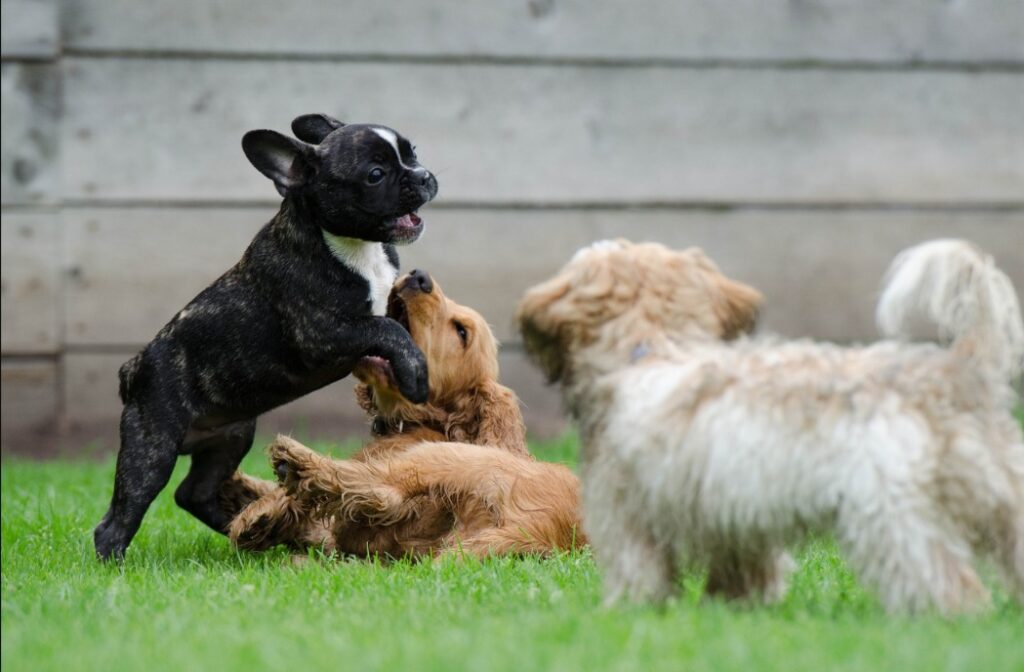
There are three common problems McConnell sees when dogs struggle with polite play:
Owners aren’t paying close attention to the dogs while they play.
One dog begins to bully or overwhelm the other without the handler intervening.
People rush in to break up play with tension or urgency, which often makes matters worse.
One trainer’s insight underscores a subtle truth: Dogs learn social play skills through repetition, calm guidance, and respect for boundaries — just like humans learn etiquette.
Dogs can be taught to pause, take turns, and avoid overwhelming their partner, but it requires an observant handler and a thoughtful plan before play begins.
Understanding polite dog play isn’t just about preventing fights at the dog park — it’s about encouraging healthy social behavior.
When dogs learn to read and respect each other’s signals, they build more confident relationships and have a better chance of thriving in social environments. Play becomes a language of joy rather than conflict.
In the end, polite dog play is not simply rough housing; it’s mutual communication, respect, and reciprocity — skills that require patience, attention, and yes, sometimes intervention.
But the payoff is worth it: dogs that can play politely are happier, better socialized, and safer companions — and that, as any dog lover will tell you, is one of the greatest joys of having a canine friend.


PHPGames31: Top Online Casino in the Philippines. Secure PHPGames31 Login & Register to play premium PHPGames31 Slot games. Download the PHPGames31 APK now for the ultimate mobile gaming experience. Join PHPGames31, the premier online casino in the Philippines. Secure PHPGames31 login & register to play top-tier PHPGames31 slot games. Download the PHPGames31 APK today for the ultimate mobile gaming experience! visit: phpgames31
[5463]Milyon888 Casino Philippines: Login & Register to Play Top Slots – Download the App for Big Wins! Join Milyon888 Casino Philippines! Milyon888 register or login to play top Milyon888 slot games. Milyon888 download the app now for big wins and premium casino fun. visit: milyon888
[3160]The Philippines’ Premier Online Casino for the Best Slots and Gaming Experience visit: jilibet004
[8670]777color Online Casino Philippines: Easy 777color Login, Register & App Download for Premium 777color Slots. Join 777color, the top Online Casino Philippines. Quick 777color login & register to play premium 777color slot games. Get the 777color app download and start winning! visit: 777color
[5093]Phcash: Best Philippines Online Slot & Casino – Easy Register, Login, Sign Up & App Download. Join PHCASH, the best Philippines online slot & casino. Experience seamless phcash login, quick phcash register, and easy phcash casino sign up. Get the phcash app download now for top-tier online slots and a premium gaming experience anytime, anywhere! visit: phcash
[9305]JL88 Official Site: Top Online Slots in the Philippines. Quick JL88 Login, Easy Register & JL88 App Download for Non-Stop Action. Join the JL88 Official Site, the top choice for online slots in the Philippines. Quick jl88 login, easy jl88 register & jl88 app download for non-stop jl88 slot action. visit: jl88
[9732]Melbet Philippines Official Site: Secure Registration, Login, App Download & Premium Casino Slots Visit the Melbet Philippines official site for secure melbet registration and login. Play premium melbet casino slots and get the melbet app download for free! visit: melbet
[5426]Taya365: Best Online Casino in Philippines | Easy Login, Register, App Download & Premium Slots Experience Taya365, the best online casino in Philippines! Quick Taya365 login & register to play premium Taya365 slots. Get the Taya365 app download for 24/7 gaming action. visit: taya365
[8670]555taya Login & Register: Play Premium 555taya Casino Slots & Official App Download Join 555taya Casino, the top choice for online gaming in the Philippines! Complete your 555taya login or register to play premium 555taya slots and win big. Get the official 555taya app download for 24/7 mobile casino action and exclusive rewards! visit: 555taya
[3413]fb777pro slots|fb777pro login|fb777pro app|fb777pro casino|fb777pro register Join fb777pro, the premier online casino in the Philippines! Register today to play top-rated fb777pro slots, download the official fb777pro app, and enjoy a seamless fb777pro login for the ultimate gaming experience and big rewards. visit: fb777pro
[6298]Hellowin: The Best Legit GCash Online Casino Philippines for Slot Games & Official Wins. Experience Hellowin, the best GCash online casino Philippines for secure and official wins. Access your Hellowin official login to enjoy legit online gambling Philippines with a massive selection of Hellowin slot games GCash. Join the top-rated Hellowin online casino Philippines today for fast payouts and the ultimate gaming experience. visit: hellowin