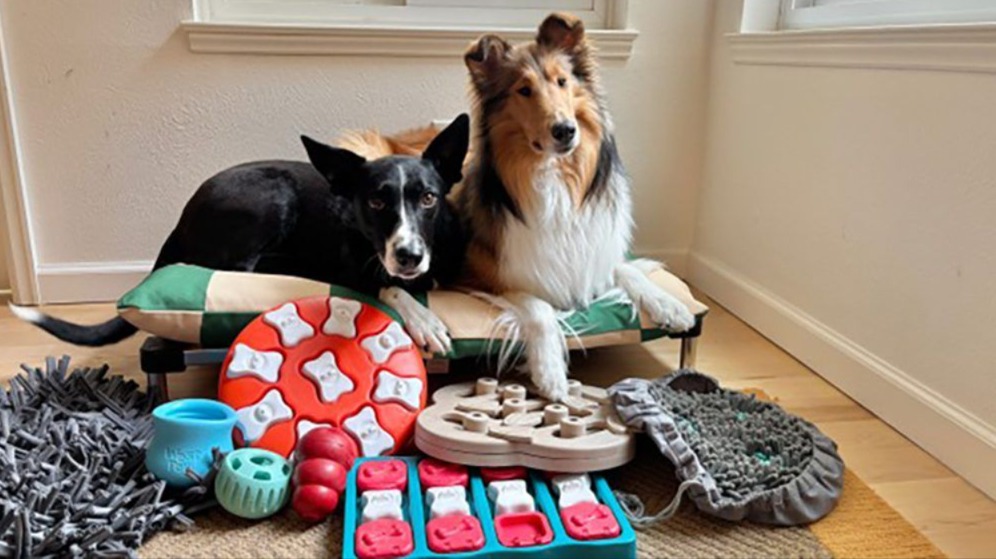
If you think feeding, walking and cuddling are the only things a dog needs to thrive, think again. Like people, dogs crave stimulation — mental challenges, physical outlets and flavorful experiences that make each day feel interesting and rewarding. At Riverview Kennels, enrichment isn’t a bonus — it’s a core part of how they help dogs stay happy, confident and emotionally balanced.
At its core, enrichment means giving your dog opportunities to think, explore and engage with their world in ways that satisfy natural instincts and curiosity. Done right, enrichment reduces stress, prevents boredom‑related behaviors like chewing or excessive barking, and can even slow cognitive decline in senior dogs.
Mind Matters: Mental Stimulation
Dogs are intelligent animals. In the absence of mental challenges, they can become bored and anxious — often expressing that unrest through unwanted behaviors. That’s where enrichment activities like puzzle toys, scent games and obedience challenges come in.
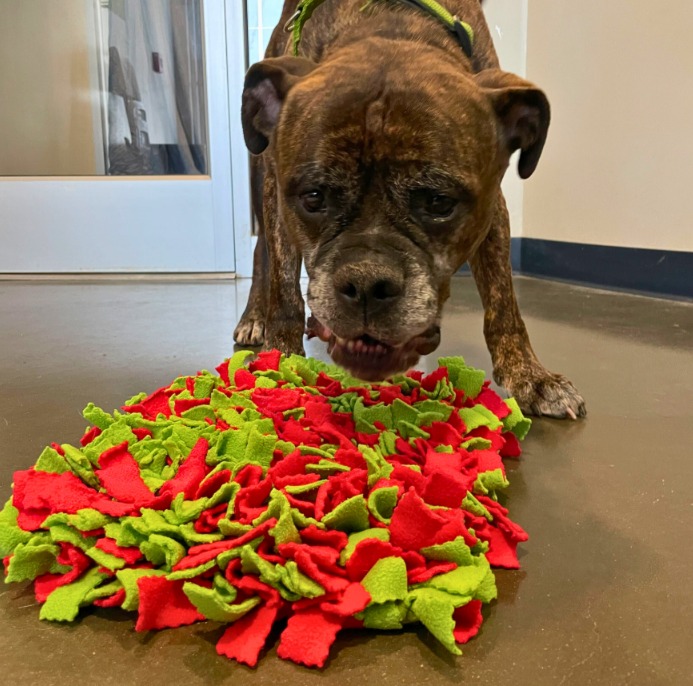
Puzzle toys and snuffle mats encourage problem‑solving. These activities make dogs work for their rewards, which satisfies their instinctive hunting and foraging drives. Whether it’s navigating a snuffle mat to sniff out hidden treats or solving a puzzle to unlock a tasty reward, these exercises give their brains a workout that’s just as tiring as a long walk.
Lick mats, frozen Kongs and slow feeders add another layer of enrichment. They ask dogs to focus and persist — actions that naturally calm many dogs and help them burn mental energy. These tools are especially beneficial when you want to reduce stress or help a dog relax after a busy day.
Mental stimulation isn’t just fun — it builds confidence. Dogs that feel successful solving a puzzle or completing a task often show more independence and less anxiety overall.
Body in Motion: Physical Enrichment
Physical activity isn’t just about exercise. It’s about purposeful movement that satisfies instincts and strengthens muscles, coordination and cardiovascular health.
Activities like forest walks offer just as much sensory enrichment as they do exercise. New smells, surfaces and sights make every step a curiosity expedition for dogs who live for exploration.
Games like fetch and frisbee tap into natural chase instincts and help high‑energy breeds expend excess energy constructively. These dynamic activities release endorphins — the “feel‑good” chemicals that regulate mood and reduce stress.
Joining physical activity with mental focus — such as practicing basic obedience while out on a walk — turns a simple stroll into a full enrichment experience.
Savor the Moment: Nutritional Enrichment
Food doesn’t have to be just fuel. It can be engaging, exploratory and satisfying.
Using interactive and varied feeding strategies — like pup’sicles, lick mats or a puppaccino treat — gives dogs something to anticipate and enjoy. This sensory variety turns eating into an experience rather than a routine.
For many dogs, the act of chewing has benefits beyond just enjoyment: it can relieve stress, strengthen jaws and even support dental health. Offer appropriate chew toys or treats with texture to give dogs that satisfying gnawing reflex they’re born to use.
Transforming feeding time into a more interactive or varied activity helps reduce mealtime monotony and reinforces patience — a good lesson that carries over into daily behavior.
Enrichment Isn’t Extra — It’s Essential
The goal of enrichment is not simply to keep dogs busy, but to build emotional resilience and a stable mental state. A dog with proper enrichment is less likely to chew furniture, bark excessively, or act out from boredom or anxiety.
Dogs whose lives include meaningful activities — whether mental puzzles, outdoor exploration, or tasty sensory experiences — often show deeper confidence and calmer energy. These benefits are especially noticeable in high‑energy breeds, senior dogs, and pets that exhibit anxiety without stimulation.
Enrichment also strengthens your bond with your dog. When you participate in puzzles, play games, walk varied routes, or explore new activities together, your dog learns to trust, engage and thrive alongside you.
Starting Your Enrichment Routine
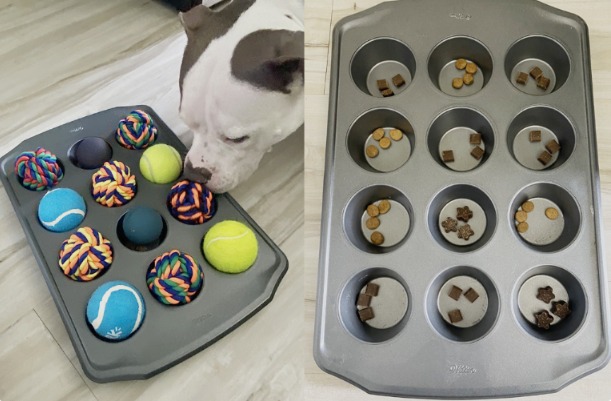
You don’t need fancy equipment. Begin with:
- Hiding treats in a snuffle mat or around the yard
- Offering food puzzles during mealtime
- Combining scent‑rich nature walks with obedience tasks
- Introducing frozen treats on warm days
Pay attention to how your dog responds, and build from there. Enrichment isn’t one‑size‑fits‑all — it evolves with your dog’s age, breed, energy level and preferences.
By blending mental challenges, physical activity and sensory food experiences, you give your dog a full life, not just a routine. In the end, enrichment is more than fun — it’s a path to a happier, healthier and more emotionally balanced companion who loves life and shares that joy with you every day.


esnxrhpjszltylumvvhiqtiwwzfmrz
gkluvxszmvytufzhhkhtwjkiedqlge
jjnkwffjlqvqytktviidzfzpqqfdqd
itwzduojhqpstedrixhzvnssjphjwy