You’re loading up the car. Bags, snacks, phone charger, maybe sunglasses. The breeze is calling. The open road lies ahead. And right there beside you… your dog.
But wait. Before you crank the engine, you’ve got to treat this like more than a quick spin.
Traveling with a dog means some real planning — because unlike humans, they can’t tell you when they’re thirsty, hot, or sore.
Here’s what you need to do before you even pull out of the driveway.
Gear Up: The Must-Have Safety Kit
- Crash-tested harness or travel crate + seatbelt anchor — A regular collar won’t do. In a sudden stop or accident, an unrestrained dog can become a projectile, risking serious injuries to them and you. A good harness (or well-secured crate) keeps them safe.
- Size-appropriate crate — If using a crate: it should allow your dog to stand up, turn around, and lie down comfortably. It should be ventilated and leak-proof on the bottom.
- Backup leash and collar — Keep extra leash/collar in the car. Useful if one gets lost, dirty, or tangled.
- Water + bowls (and maybe a frozen bottle in hot weather) — Bring fresh water and collapsible bowl(s). If the weather is hot, consider freezing water bottle(s) or bringing a cooling pad to use under your dog’s crate.
- First-aid kit and medical records — It’s smart to carry a small pet first-aid kit (bandages, antiseptic wipes, etc.) and copies of vaccination records, medical history. If something happens far from home, vets will need that info.
- Comfort items — A blanket, favorite toy, maybe a chew or interactive puzzle. Familiar items make the ride less scary and more “home-like.”
Once the gear is there, you’re not just traveling. You’re traveling responsibly.

Get Your Dog Road-Ready
Don’t just grab the harness and toss it on minutes before driving. Dogs need time to get used to travel gear.
- Start at home: Let your dog explore the harness or crate at their own pace. Leave the door open for crates; let them go in, sniff, sniff, and get curious. Reward with treats. Over days/weeks, encourage more time inside.
- For harnesses: let your dog wear them around the house first — a few minutes at a time. Once they’re comfortable, try a short ride around the block. Gradually increase time in the car so they get used to being strapped in.
- Do a “test drive” before the real long haul: maybe a quick trip to the store or park. That will show you if they get motion sickness, feel anxious, or need adjustments.
This acclimation isn’t just for comfort — it builds trust so your dog doesn’t associate car rides with stress, but with safety and adventure.
On the Road: What to Do (and What NOT to Do)
Once the trip begins, the real challenge is managing everything — temperature, comfort, breaks, and safety.
- Don’t feed right before driving — A light meal is fine a few hours ahead, but giving a big meal just before you go increases risk of motion sickness. If you must feed mid-trip, give time for their stomach to settle.
- Stop every 2–3 hours (or at least every few hours) — Let your dog stretch, relieve themselves, walk around. Use this time for a bathroom break, short walk, water refill, maybe a quick game or treat. Helps prevent stiffness, restlessness and anxiety.
- Stay cool — especially in heat — Temperature inside a parked or closed car can skyrocket in minutes. Always have air circulation, water, and avoid leaving your dog alone in a stopped car — never mind the weather.
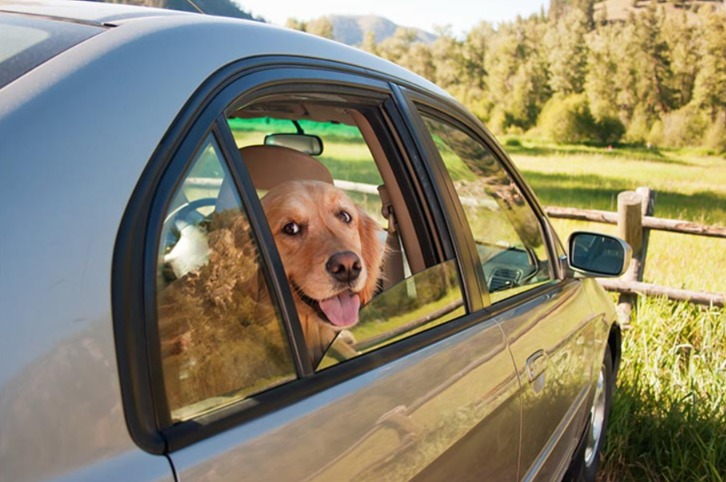
- Keep dog in the car properly restrained — No dogs roaming free, no heads sticking out windows (as fun as that looks). High speeds + debris can injure their eyes or ears, and open windows don’t protect them from sudden stops or accidents.
- If traveling far: plan accommodations & emergency stops — Research vet clinics along your route, find pet-friendly hotels or camps, know where to stop in case of emergencies. Having those mapped out ahead saves panic later.

What You Get When You Do It Right
A few hours of planning — and the right mindset — transforms any road trip into a shared adventure. Your dog travels safely, you avoid stress (and potential disaster), and both of you arrive feeling good.
Your dog? Less anxious. More confident. Maybe even excited: car trips become a habit they associate with fun — not chaos.
You? A happier driver. No distractions. No sudden scares. And above all, peace of mind that your fur buddy is safe, especially when miles separate you from home.
Final Thought
Whether it’s a short drive to the beach or a cross-country adventure, traveling with your dog doesn’t have to be risky — if you prepare. Restraints, water, rest, familiar stuff, and good sense.
Because when you treat your dog like a travel partner — not a passenger — you get more than a ride. You get loyalty, smiles, wagging tails and memories.
When the road calls again, make sure you answer with care. Your dog deserves it.