Summer feels like freedom.
Longer days. Brighter skies. More time outside with your dog.
But warmer weather changes the rules.
What worked in cool spring air won’t always work under a blazing sun. Training sessions that once felt effortless can suddenly become exhausting — even dangerous — if you don’t adjust your approach.
The good news?
Outdoor training in warm weather can be incredibly productive.
If you do it right.
Train Early. Or Train Late.
Heat is the invisible opponent.
Dogs don’t sweat like we do. They regulate temperature primarily through panting, and intense activity in high heat can escalate quickly into heat stress.
The safest windows for outdoor training are early morning and late evening — when pavement has cooled and the sun isn’t directly overhead.
Before starting, place the back of your hand on the ground for seven seconds. If it’s too hot for you, it’s too hot for paws.
Timing isn’t just convenience.
It’s protection.
Hydration Is Not Optional
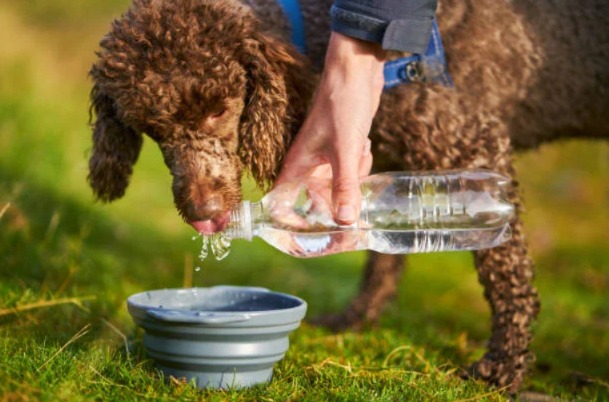
Water should be constant and accessible.
Bring fresh water to every outdoor session. Offer small, frequent breaks instead of waiting for your dog to appear thirsty.
Watch for warning signs:
- Excessive panting
- Slowing down unexpectedly
- Disorientation
- Bright red gums
Training goals never outweigh safety.
If your dog seems fatigued, stop immediately. Resume another day.
Consistency beats one “perfect” session.
Shorter Sessions. Sharper Focus.
In warm weather, less is more.
Instead of 45-minute drills, aim for 10–15 minute focused sessions. Work on one or two behaviors at a time. Keep engagement high, repetitions clean, and reward generously.
Heat accelerates mental fatigue too.
You want your dog finishing energized — not drained.
End while they’re still eager.
That’s how you build momentum.
Rethink the Surface
Grass retains less heat than asphalt. Shaded dirt trails are cooler than concrete sidewalks. Parks with trees offer natural temperature control.
Choose training environments strategically.
Also consider protective gear if needed. Some dogs benefit from lightweight booties in hotter climates — though these should be introduced gradually and positively.
Surface selection is part of training strategy.
Make It a Game
Summer training doesn’t have to be rigid.
Incorporate movement-based games that build obedience while keeping it playful:
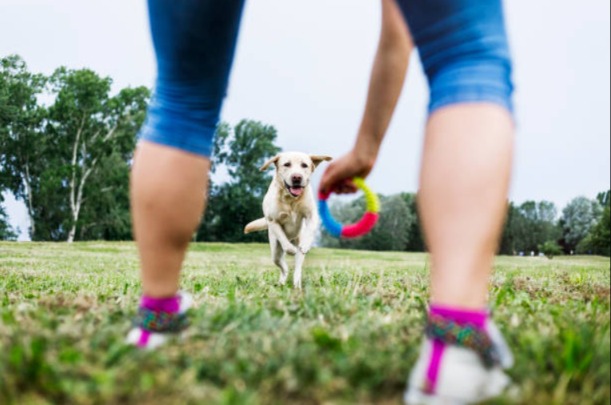
- Recall practice across shaded open fields
- Hide-and-seek with treats or favorite toys
- Controlled fetch with built-in “drop it” or “wait” commands
High-value rewards matter more outdoors. The environment is stimulating — birds, scents, people — so your reinforcement must compete.
If your dog loves frozen treats, chilled rewards can double as hydration support.
Training should feel like shared adventure.
Watch Body Language Closely
Warm weather amplifies stress signals.
If your dog’s tail lowers, ears flatten, or enthusiasm fades, pause. Subtle cues often precede overheating or frustration.
Outdoor environments also introduce distractions. Instead of fighting them, use them.
Turn passing joggers into “sit and watch calmly” opportunities. Use squirrels as impulse-control practice.
The world becomes your classroom.
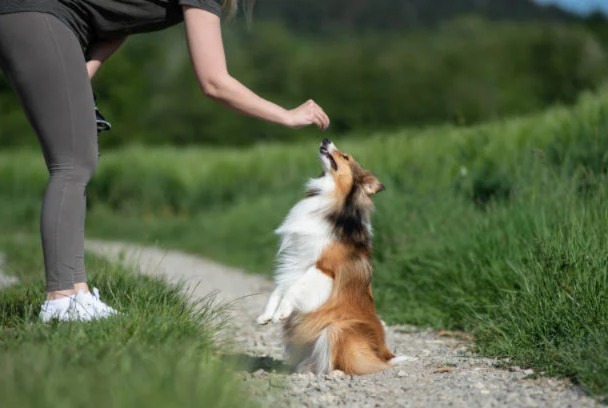
Adjust Expectations
Performance may dip slightly in higher temperatures — and that’s normal.
Your dog isn’t being stubborn.
They’re managing environmental load.
Focus on reinforcing known behaviors rather than introducing complex new skills during peak heat months. Save advanced work for cooler seasons.
Training is a marathon.
Not a summer sprint.
End on a Positive Note
Always finish with success.
A simple cue your dog executes confidently. A favorite game. A calm cooldown walk in the shade.
Let the last memory of the session be rewarding.
That’s what keeps them eager for tomorrow.
The Bigger Picture
Warm-weather training isn’t about pushing harder.
It’s about adapting smarter.
When you respect the heat, plan strategically, and prioritize your dog’s comfort, outdoor sessions become powerful bonding experiences — not endurance tests.
Because at the end of the day, training isn’t about perfection.
It’s about partnership.
And the best partnerships are built with patience… even under the sun.