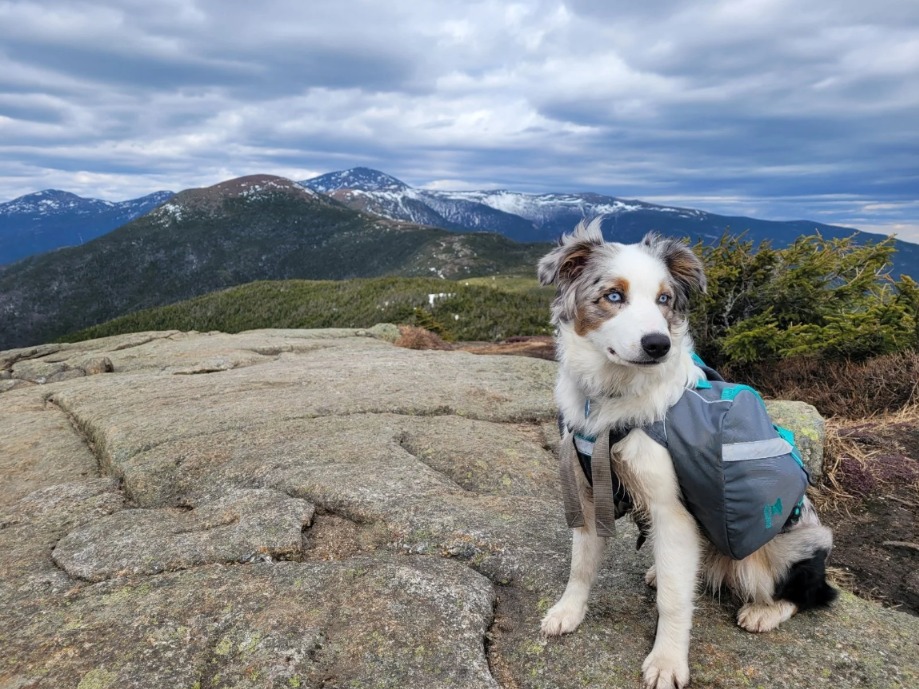
Winter hiking with your dog can be magical.
Crisp air, snow-dusted trees, and the crunch of ice under your boots make for an experience that’s as invigorating for your pup as it is for you.
But while the scenery is breathtaking, winter introduces challenges that aren’t present in spring or summer hikes.
Preparation is key to keeping your dog safe, comfortable, and happy during colder months.
Gear Up: Essential Winter Hiking Equipment
First, think about your dog’s protection. Even breeds with thick coats can get cold if they’re standing still or exposed to wind and snow for too long.
Dog jackets or sweaters designed for cold weather are more than just cute—they retain body heat and shield against wind chill.
For smaller dogs, puppies, or senior dogs, a well-fitted coat can make the difference between a comfortable walk and hypothermia risk.
Booties are another vital consideration. Snow and ice can injure paw pads, and salt or chemical deicers can cause painful burns.
Booties protect your dog’s feet while also providing traction on slippery terrain.
If your dog resists wearing them, try breaking them in at home first with short indoor sessions, gradually extending to outdoor practice.
A reflective harness or collar is essential, too, as daylight is shorter in winter and visibility can be limited.
Even if you’re hiking during daylight hours, early sunsets and heavy snowfall can quickly reduce visibility.
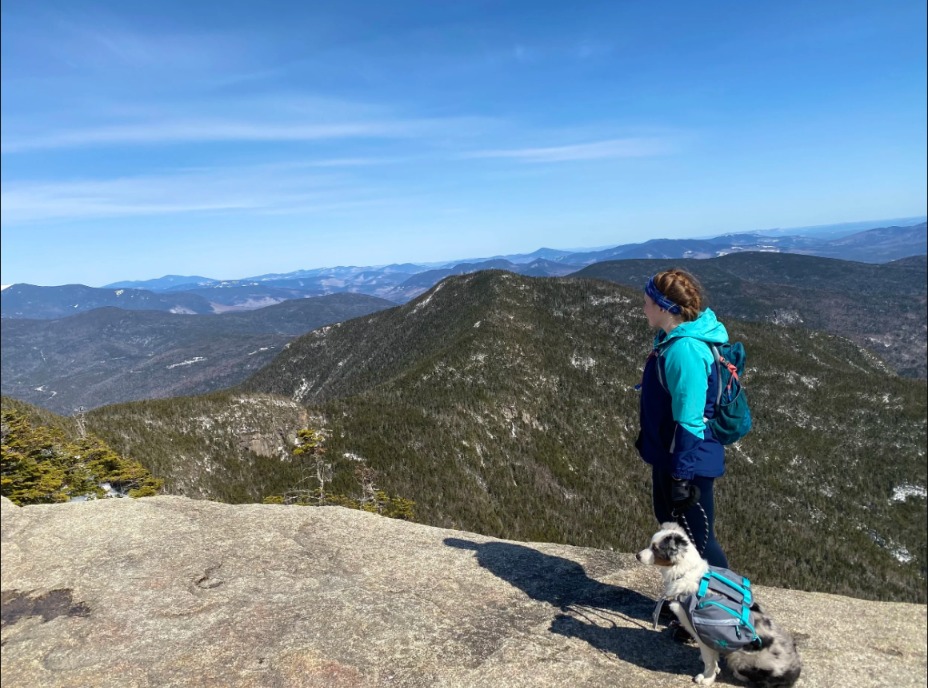
Plan Your Route and Pace
Winter trails can be deceiving. Snow can cover hazards like rocks, roots, or thin ice.
Choose trails that you know well, or that are clearly marked and maintained. Avoid trails with deep snowdrifts unless your dog is used to trudging through heavy snow.
Pay attention to your dog’s stamina. Cold weather can be deceptively tiring, especially for dogs not accustomed to extended winter activity.
Schedule breaks, and watch for signs of fatigue, shivering, or limping.
Remember that shorter, more frequent hikes are safer than a single long trek in extreme conditions.
Hydration and Nutrition
Hydration is as important in winter as in summer. Snow is not a substitute for water; dogs can get dehydrated even in freezing conditions.
Carry a collapsible water bowl and offer water regularly.
Nutrition matters too. Dogs burn more calories in cold weather to maintain body heat.
Depending on the hike’s length and your dog’s breed and size, you may need to increase their food intake slightly on hiking days.
Small, high-calorie snacks or treats during the hike can provide energy and encourage your dog to keep moving.
Protect Against Frostbite and Hypothermia
Frostbite typically affects ears, tails, and paws. Check these areas periodically during the hike. Signs of frostbite include pale, cold skin, or a bluish-gray color.
If you suspect frostbite, get your dog to a warm environment gradually and contact a veterinarian.
Hypothermia is another risk. Shivering, lethargy, and weakness are red flags.
If your dog begins to shiver excessively or shows signs of disorientation, it’s time to head back.
Bring blankets or an emergency jacket to wrap your dog if needed.
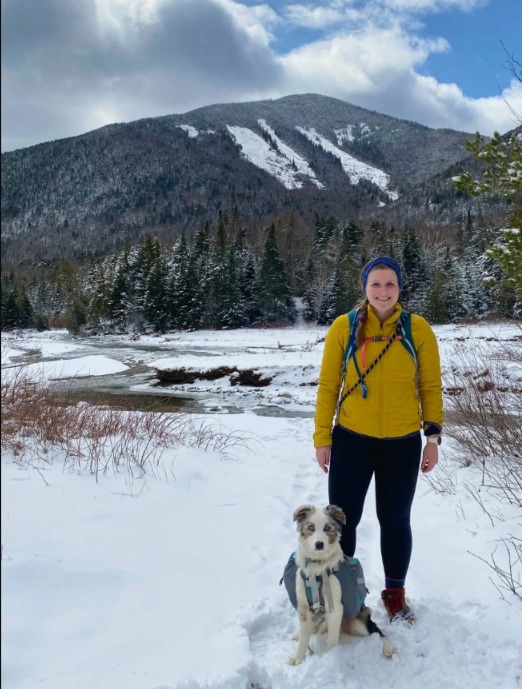
Leave No Trace and Keep Safety in Mind
Winter trails can be fragile. Stick to established paths to avoid damaging sensitive ecosystems under the snow.
Keep your dog on a leash unless you are in a safe, designated off-leash area.
Wildlife may be more vulnerable in winter, and dogs chasing or disturbing animals can cause harm.
Bring a small first aid kit that includes supplies for both humans and dogs.
Ice packs, bandages, and antiseptic wipes can help handle minor injuries on the trail.
Make It Fun
Winter hiking isn’t just about survival—it’s about enjoyment. Let your dog explore safely, sniff, and play.
Incorporate games like fetch in safe areas or practice commands to keep their mind engaged. End the hike with a warm treat and a cozy rest at home.
With preparation, winter hiking can strengthen your bond, provide excellent exercise, and offer unforgettable outdoor experiences.
Gear, planning, and awareness of your dog’s limits are essential.
When you prioritize safety and comfort, every snowy trail becomes an adventure your dog will love as much as you do.
By following these tips, you ensure that your pup’s paws stay warm, their tail keeps wagging, and both of you enjoy the beauty of winter hiking together.
Related posts:
 Stop Letting Your Dog Go Stale—Hit the Trails and Transform Your Lives
 Four Feet, Warm Hearts & Health Perks: Why Volunteering with Animals Is So Good for You
 The Hidden Dangers in Leaf Piles (and How to Make Leaf Play Safe for Dogs)
 Don’t Just Trick or Treat — Throw a Halloween Bash for Your Dog (and Survive It)