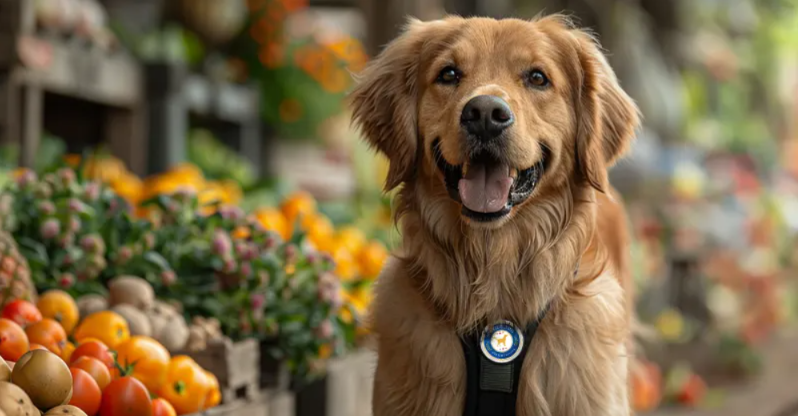
Farmers markets feel like a perfect weekend plan.
Fresh air. Local food. Friendly crowds. And for many dog owners, the best part is obvious: bringing your dog along for the walk.
But what looks like a casual outing for you can be a very different experience for your dog if you’re not prepared.
Because farmers markets are exciting… but also loud, crowded, unpredictable, and packed with smells that can overwhelm even well-behaved pets.
So the difference between a fun outing and a stressful one often comes down to a few simple habits.
First, the most important rule is not even about your dog—it’s about the market itself.
Not all farmers markets allow dogs.
Some welcome them with open arms. Others restrict them entirely due to food safety rules, space limitations, or local regulations.
Before heading out, it’s essential to check the market’s official guidelines so you’re not caught off guard at the entrance.
Once you’ve confirmed dogs are allowed, the next question becomes whether your dog is actually ready for that environment.
Because farmers markets are sensory overload.
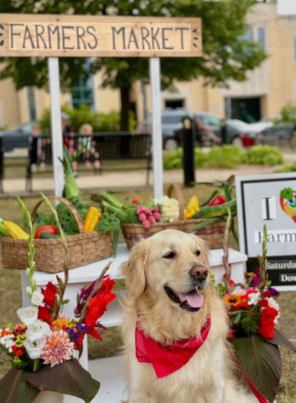
There are crowds moving in every direction, children running between stalls, food dropped on the ground, and constant new smells at every step.
Even confident dogs can become overstimulated if they’re not used to busy public spaces.
That’s why leash control is non-negotiable.
A short leash—typically four to six feet—is strongly recommended so your dog stays close and responsive in tight spaces.
Retractable leashes, despite being popular, are often discouraged in these environments because they reduce control when you need it most.
Think of it this way: at a farmers market, you’re not just walking your dog.
You’re navigating a moving crowd with food at nose level.
And that leads to another key habit: training matters more than excitement.
Basic commands like “sit,” “stay,” and especially “leave it” can make or break the experience.
Dogs who are still learning impulse control may struggle when faced with dropped food, open bins, or curious strangers offering attention.
Even well-trained dogs benefit from preparation before the visit.
A short walk beforehand can help burn off excess energy so your dog enters the market calmer and more focused.
But behavior isn’t the only factor.
Comfort plays a huge role too.
Weather conditions can turn a fun outing into a dangerous one quickly.
Hot pavement can burn paws, and crowded spaces can trap heat. On extreme weather days, it’s often better to leave your dog at home altogether.
If you do go, always watch for signs of stress: excessive panting, pulling away from crowds, or constant scanning of the environment.
Those are signals your dog may need a break.
And breaks are not optional—they’re part of responsible handling.
Step aside from the crowd, find shade, offer water, and let your dog reset before continuing.
Another overlooked detail is social behavior.
Not every dog wants to meet other dogs or strangers while surrounded by chaos. Some prefer space. Some prefer distance.
Respecting that preference is part of keeping the experience positive for everyone involved.
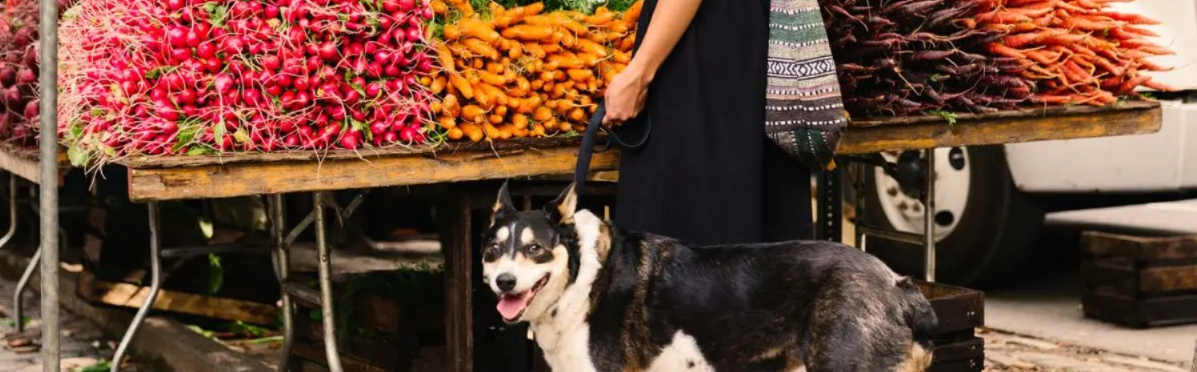
Farmers markets also come with one unspoken responsibility: cleanliness.
Always clean up after your dog immediately and keep them away from produce, food displays, and vendor tables.
Even a curious sniff can create hygiene concerns in a food-focused environment.
This isn’t just etiquette—it’s what keeps dogs welcome in these spaces.
Because many markets allow dogs only as long as owners remain fully responsible for them.
So where does that leave the experience overall?
When done right, farmers markets can be incredibly enriching for dogs.
They get fresh air, controlled social exposure, and mental stimulation from new sights and smells.
Some dogs even enjoy choosing small dog-safe treats along the way, turning the outing into a positive shared experience.
But the key idea is simple:
A farmers market is not just a walk.
It’s a training environment, a social environment, and a food environment all at once.
And your dog is relying on you to help them navigate all three.
When owners slow down, stay aware, and prioritize their dog’s comfort over convenience, the experience becomes something better than just a weekend errand.
It becomes a shared outing built on trust.
And for most dogs, that’s what they remember most—not the stalls, not the crowds, but the feeling of being safely guided through it all, side by side with you.