
A beach day with your dog should be sunshine, wagging tails, and unforgettable memories — not a trip to the emergency vet. But sand, sun, saltwater, and crowds can quickly create hazards for even the most water‑loving pups. With a few smart precautions, you can make sure your dog comes home tired, happy, and healthy every time.
Here’s a practical, dog‑centric beach safety guide that makes sense — whether you’re heading to a calm bay, a wide‑open shore, or a dog‑friendly stretch of coastline.
1. Check the Rules Before You Go
Many beaches have specific hours, leash laws, and off‑limit zones for dogs. Some allow dogs only during certain seasons or times of day. Before packing up the car, look up local beach policies so you’re not surprised by a no‑dog sign or unexpected fine.
A quick search or phone call helps you plan a fun — and compliant — day by the water.
2. Apply Pet‑Safe Sunscreen
Just like people, dogs can burn — especially those with short hair, light coloration, or exposed skin on noses and ears. Regular sunscreen can contain ingredients toxic to dogs, so choose one labeled pet‑safe and apply it to vulnerable areas before sun exposure begins.
Reapply regularly — especially after swimming.
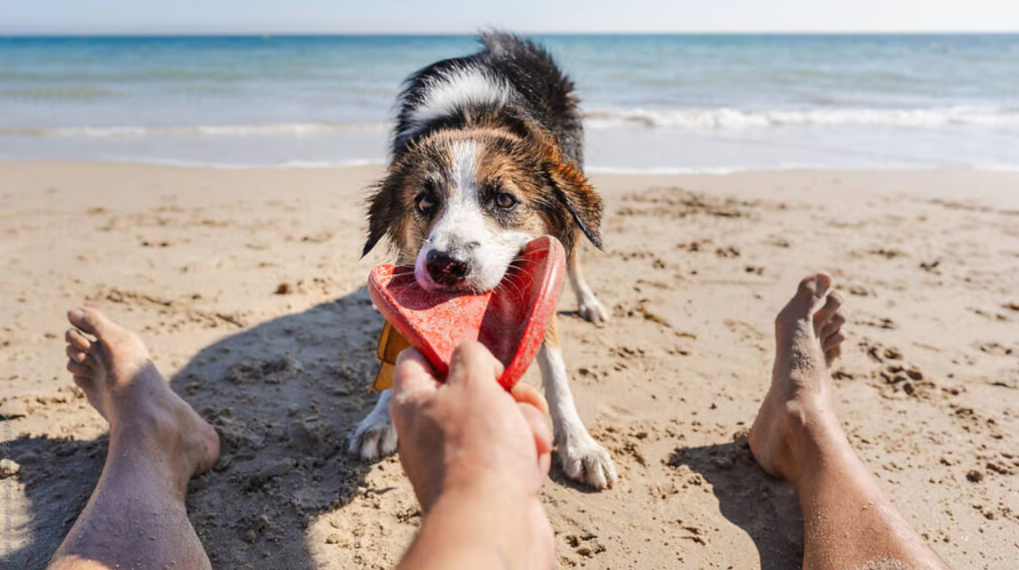
3. Stay Hydrated (Bring Fresh Water!)
Saltwater might look refreshing, but it can make dogs sick. Drinking seawater can cause vomiting, diarrhea, dehydration, or worse. Always bring clean, fresh water and a collapsible bowl so your dog can sip throughout the day.
Tip: Offer water after play sessions and every time you refill your own bottle.
4. Watch the Heat — Not All Water Time Is Good Time
Hot sand and strong sun can raise your dog’s core temperature fast. If the sand is too hot for your hand, it’s too hot for paws. Provide shade — from a beach umbrella or pop‑up tent — and limit direct sun exposure, especially between 10 a.m. and 4 p.m.
Know the signs of heat stress — heavy panting, excessive drooling, weakness, or bright red gums — and get shade and water immediately if you see them.
5. Rinse Off After Saltwater Play
Salt can dry out skin and fur, leading to irritation and itchiness. Give your dog a quick rinse with fresh water after swimming to wash off salt, sand, and any residues that can cause discomfort. A towel rubdown afterward helps prevent matting and removes grit from paws and coat.
6. Keep an Eye on the Tide and Waves
Even experienced swimmers can be taken off guard by currents or strong surf. Stay within shallow water, and never let your dog chase waves or swim out too far, especially in unfamiliar spots. If you’re unsure, keep them closer to shore or on a leash.
Not all beaches are safe for swimming — and not all dogs enjoy deep water. Respect both the ocean and your dog’s comfort level.
7. Protect Sensitive Paws
Sand and shells can cut or irritate paw pads. Broken shells, rocks, or debris hidden beneath sand can be surprisingly sharp.
Check paw pads frequently for cuts or soreness. If you see limping or unusual licking, take a break and inspect their feet. Protective booties can help sensitive dogs, but for most pups, shade breaks and hydration go a long way.
8. Prevent Sand Ingestion
Curious dogs sometimes eat sand — especially if it’s mixed with water or seaweed. Ingesting sand can lead to gastrointestinal blockages that cause vomiting or worse.
Watch closely during play and discourage eating sand or debris. If your dog shows repeated grazing behavior, direct their attention to toys or treats instead.
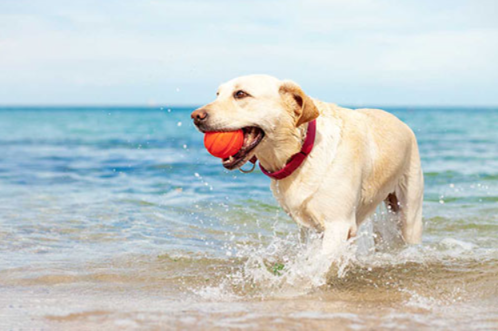
9. Use Leashes When Needed
Even well‑trained dogs can get overstimulated on the beach — chasing birds, running into crowds, or darting after boats. A leash gives you control without taking away fun. Many beaches require leashes anyway, and it’s one of the simplest ways to avoid lost‑dog scenarios.
A long line leash strikes a nice balance: freedom to explore, without losing sight of your dog.
10. Take Frequent Breaks
Sand, sun, and water are exciting — but they’re also tiring. Take plenty of rest breaks in the shade. Let your dog relax, drink water, and cool down before diving back into play.
A tired dog is a happy dog — but an overheated dog is a sick one. Pay attention to changes in behavior, and don’t push them past comfortable limits.
Make Every Beach Trip a Win
A day at the beach can be one of the best experiences you share with your dog — as long as you stay aware and prepared. By planning ahead and keeping safety top of mind, you’ll avoid common beach pitfalls and create memories that are joyful and healthy.
Your dog doesn’t just remember the sun and surf — they remember how you made the day feel.
So pack the water bowl, latch the leash, and get ready for the perfect beach day — responsibly.