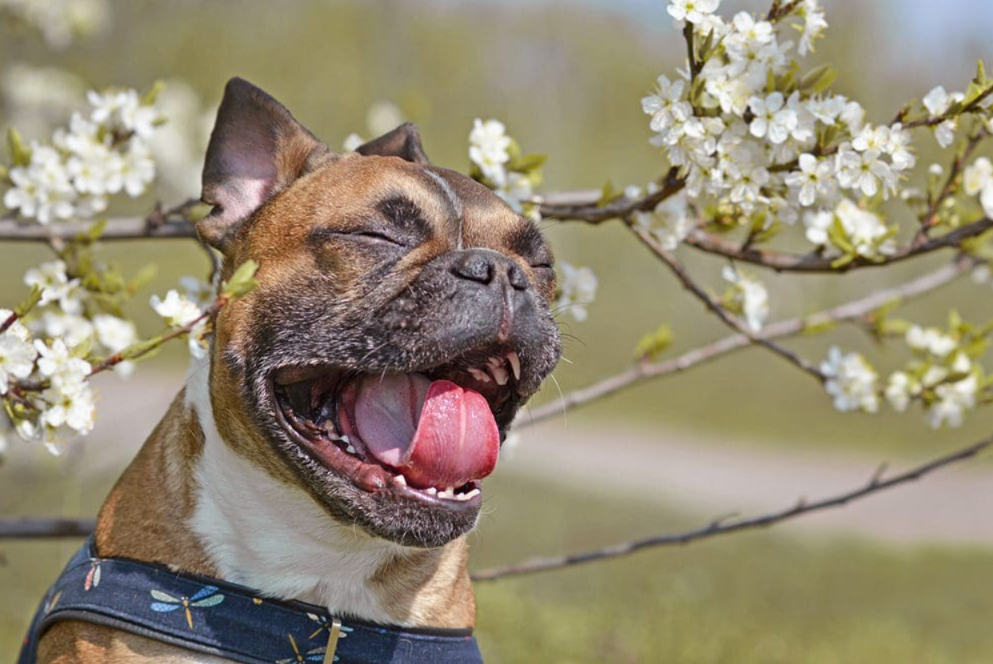
When spring flowers bloom and pollen fills the air, many people reach for allergy medication.
But humans aren’t the only ones affected by seasonal allergies.
Dogs can suffer from them too.
If you’ve noticed your dog constantly scratching, licking their paws, rubbing against furniture, or shaking their head more than usual during certain times of the year, allergies could be the culprit.
The good news is that seasonal allergies can often be managed successfully once you know what to look for.
What Causes Seasonal Allergies in Dogs?
Just like people, dogs can develop allergies to things in their environment. Instead of reacting to food or parasites, their immune system overreacts to common seasonal allergens such as:
- Tree pollen
- Grass pollen
- Weed pollen
- Mold spores
- Dust and dust mites
- Flea bites in some cases
These allergens are most common during certain times of the year, which is why many dogs experience flare-ups every spring, summer, or fall.
Common Signs Your Dog Has Seasonal Allergies
Unlike humans, who often develop sneezing and watery eyes first, dogs usually experience allergies through their skin.
Some of the most common symptoms include:
- Constant scratching
- Excessive licking or chewing, especially on the paws
- Red or irritated skin
- Recurring ear infections
- Head shaking
- Hair loss from excessive scratching
- Red, watery eyes
- Sneezing or a clear runny nose
The itching is often most noticeable around the paws, face, ears, armpits, and groin. Unfortunately, constant scratching can damage the skin and lead to painful bacterial or yeast infections if left untreated.

How Veterinarians Diagnose Seasonal Allergies
Because many skin conditions can look alike, diagnosing allergies isn’t always straightforward.
Your veterinarian will usually begin with a physical examination and review your dog’s medical history. They may also rule out other common causes of itching, such as fleas, mites, infections, or food allergies.
For dogs with persistent or severe symptoms, your veterinarian may recommend allergy testing. Intradermal skin testing, often performed by a veterinary dermatologist, is considered the most accurate way to identify environmental allergens. Blood tests may also be used in some cases.
Treatment Options
There’s no one-size-fits-all solution because every dog’s allergies are different.
Depending on the severity of your dog’s symptoms, your veterinarian may recommend one or more of the following:
Prescription medications: Modern anti-itch medications and other prescription therapies can provide significant relief for dogs with moderate to severe allergies.
Allergy immunotherapy: Dogs with confirmed environmental allergies may benefit from customized allergy injections that gradually reduce their sensitivity to specific allergens over time.
Medicated shampoos and topical treatments: These help soothe irritated skin while washing allergens off the coat.
Therapeutic diets: Some veterinary diets are formulated to support skin health and strengthen the skin’s natural protective barrier, which may help dogs with allergic skin disease.
Always consult your veterinarian before giving your dog any over-the-counter allergy medication, as many human medications are unsafe or require specific dosing for pets.

Simple Ways to Reduce Allergy Flare-Ups at Home
While you can’t eliminate pollen from the environment, you can reduce your dog’s exposure.
Here are a few simple habits that can make a noticeable difference:
- Wipe your dog’s paws, legs, and belly with a damp cloth or pet-safe wipe after every walk.
- Bathe your dog regularly using a veterinarian-recommended shampoo to remove allergens from the coat.
- Wash bedding frequently to reduce pollen and dust buildup.
- Vacuum your home regularly during allergy season.
- Keep your lawn trimmed to reduce exposure to long grasses.
- Stay on top of flea prevention, since flea allergy can worsen itching in sensitive dogs.
When It’s Time to See the Vet
Occasional scratching is completely normal.
But if your dog is scratching constantly, chewing their feet, developing red skin, getting frequent ear infections, or losing patches of fur, it’s time to schedule a veterinary appointment.
The sooner allergies are diagnosed, the sooner your dog can start feeling better.
A More Comfortable Season for Your Best Friend
Seasonal allergies can be frustrating for both dogs and their owners, but they don’t have to take the joy out of your dog’s favorite time of year.
With the right diagnosis, appropriate treatment, and a few simple changes at home, most dogs can enjoy the outdoors without spending the rest of the day scratching.
After all, every dog deserves to spend spring chasing tennis balls instead of chasing an itch.