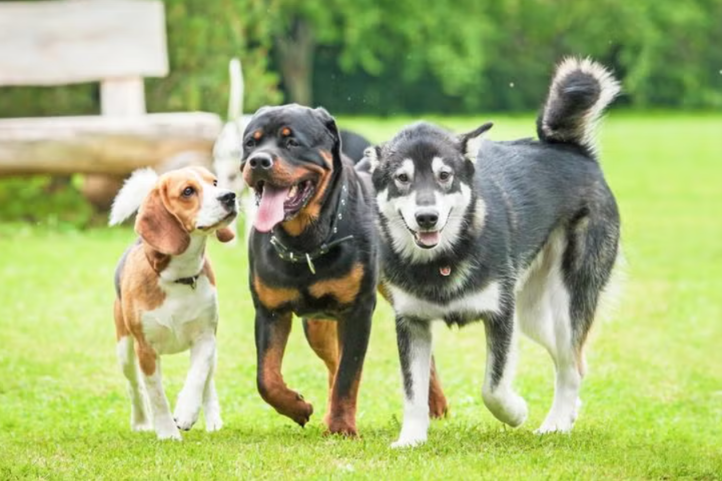
Bringing a second—or even third—dog into your home can be one of the most rewarding decisions you’ll ever make. Watching your dogs play together, keep each other company, and form lifelong bonds is something every dog lover dreams about.
But as wonderful as life with multiple dogs can be, it also comes with unique challenges.
Training one dog requires patience and consistency. Training several dogs at once requires an entirely different strategy.
The good news is that with the right approach, your dogs can learn to live together peacefully while developing good manners both individually and as a group.
One of the biggest mistakes owners make is trying to train every dog together from the very beginning.
While group sessions may seem more efficient, they’re often filled with distractions. One dog may become excited, another may copy unwanted behavior, and before long, no one is paying attention.
That’s why many professional trainers recommend teaching new skills one dog at a time.
Individual sessions allow each dog to focus completely on you without competing for attention. Whether you’re working on basic commands like “sit,” “stay,” or “come,” giving each dog personal training time helps build confidence and creates a stronger bond.
Once each dog understands the commands independently, you can gradually begin practicing with them together.

Training as a group should come only after every dog has mastered the basics on their own.
Managing your dogs’ environment is just as important as teaching commands.
If toys, food bowls, or favorite resting spots tend to spark disagreements, don’t wait for problems to happen. Feed dogs separately when necessary, supervise high-value toys, and make sure every dog has a quiet place where they can relax without being disturbed.
Preventing conflict is always easier than correcting it.
Consistency is another key ingredient in a successful multi-dog household.
Every member of the family should use the same commands and reinforce the same rules. If one person allows jumping on guests while another discourages it, dogs quickly become confused about what’s expected.
Clear, predictable expectations help everyone succeed.
Equally important is making sure each dog receives individual attention every day.
When multiple dogs share a home, it’s easy to focus only on activities they can all do together. However, spending one-on-one time with each dog—whether through a short walk, a training session, or simply relaxing together—helps strengthen your relationship and prevents jealousy from developing.
Exercise also plays a major role in maintaining harmony.
Dogs with excess energy are more likely to become frustrated, overexcited, or develop unwanted behaviors. Daily walks, games of fetch, puzzle toys, scent work, and other mentally stimulating activities help keep both minds and bodies engaged.
A tired dog is often a happier, calmer companion.
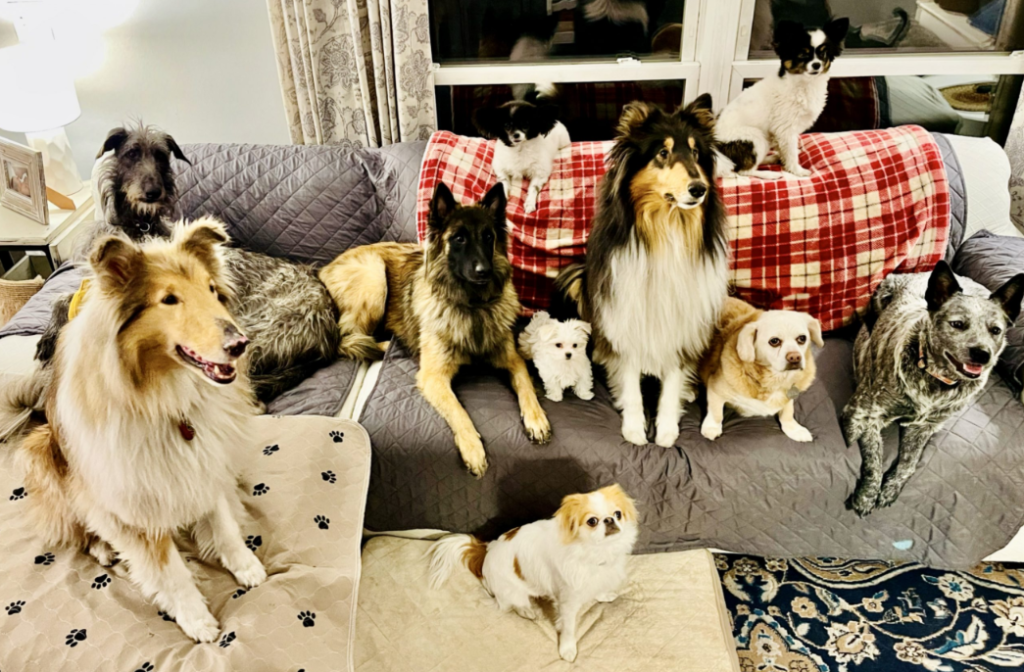
It’s also important to recognize that every dog is different.
Older dogs may prefer quiet evenings, while younger dogs are ready to wrestle for hours. Some breeds naturally enjoy constant interaction, while others appreciate more personal space.
Learning each dog’s personality allows you to meet their individual needs instead of expecting them all to behave the same way.
If disagreements do occur, avoid punishing either dog in the heat of the moment.
Instead, calmly separate them, identify what triggered the conflict, and adjust the environment to prevent similar situations in the future. Many disagreements arise over valuable resources, excitement, or misunderstandings—not because the dogs dislike one another.
Patience is especially important when introducing a new dog into the family.
Building positive relationships takes time. Allow dogs to adjust at their own pace, supervise interactions carefully, and celebrate small successes along the way. Most dogs become more comfortable with one another as they establish routines and learn what to expect.
Perhaps the most important lesson is remembering that training never truly ends.
Every walk, every meal, every play session, and every interaction is another opportunity to reinforce good behavior. Consistent routines and positive reinforcement help create lasting habits that benefit every member of the household.
Life with multiple dogs may sometimes feel a little noisy and a little chaotic, but it’s also filled with double the laughs, double the cuddles, and countless unforgettable moments.
With patience, consistency, and a little extra planning, your dogs can learn not only to coexist but to thrive together—creating a home where everyone, both two-legged and four-legged, feels happy, secure, and loved.