A routine call about suspected trespassing quickly turned into one of the most heartbreaking animal rescue cases local police had ever encountered.
When officers arrived at a property in Murrieta, California, they expected to investigate an abandoned U-Haul truck with two dogs reportedly locked inside the cab. Instead, they stumbled upon a much larger and more disturbing situation.
As they approached the truck, officers heard persistent barking coming from somewhere behind the cab.
The sounds led them to the enclosed cargo area.
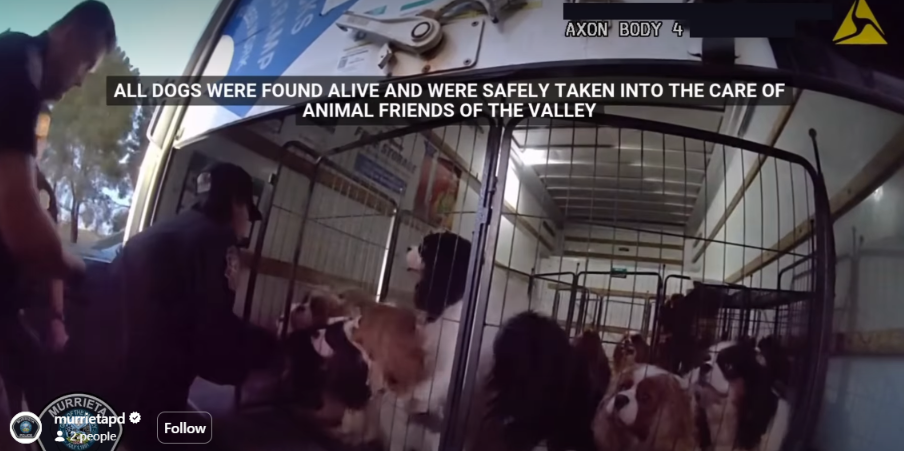
When they rolled open the back door, they were met with a heartbreaking sight.
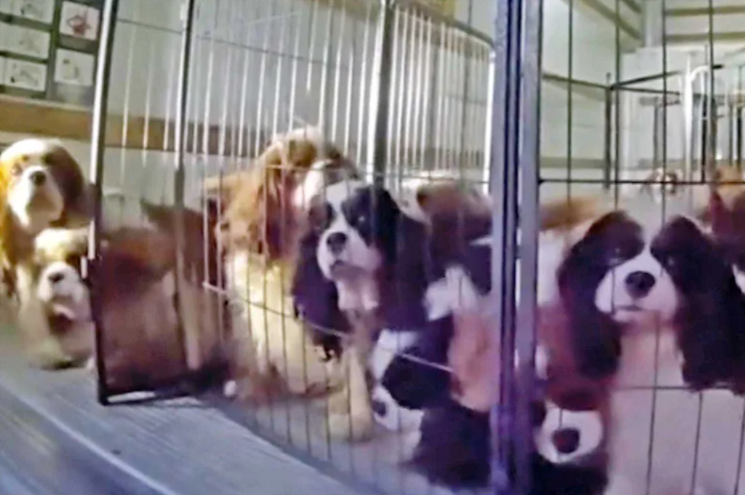
Inside the dark, unventilated cargo compartment were 21 Cavalier King Charles Spaniels, packed into the truck with little access to fresh air, food, or water.
Several of the female dogs were pregnant, and many of the animals appeared neglected, with severely matted coats and signs that they had been confined in the vehicle for hours.
The cargo area had no air conditioning or proper ventilation, creating dangerous conditions for the dogs.
Realizing the animals were in immediate need of help, officers called animal control for assistance.
Working together, they carefully removed each frightened spaniel from the truck one by one. Despite everything they had endured, the dogs remained remarkably gentle as rescuers carried them to safety.
Just when it seemed the rescue was over, another unexpected twist unfolded.
While authorities were still securing the dogs, the suspect arrived at the scene in a separate SUV.
Inside that vehicle were 12 additional dogs, bringing the total number of rescued animals to 33.
Based on what investigators discovered, the suspect was arrested at the scene on allegations related to animal cruelty, animal abandonment, and leaving animals unattended inside a vehicle.
Weeks later, prosecutors formally filed 21 felony counts of animal cruelty, along with two misdemeanor charges connected to the case.
For the rescued dogs, however, the nightmare was finally over.
All 33 spaniels were transported to Animal Friends of the Valleys, where veterinary teams immediately began evaluating and treating them.
Many of the dogs required medical care, proper nutrition, grooming, and a safe place to recover after what they had experienced.
Despite their difficult condition, shelter staff shared encouraging news.
The dogs were safe, receiving the medical attention they needed, and beginning the long process of recovery and rehabilitation. Because of the ongoing investigation, officials have remained focused on the animals’ care before discussing future adoption plans.
Cases like this serve as a painful reminder that animal cruelty often remains hidden until someone speaks up.
In this instance, what started as an unrelated report led officers to dozens of dogs that desperately needed help. Had no one called authorities, the outcome could have been far worse.
The rescue also highlights the importance of partnerships between law enforcement and animal welfare organizations.
Police officers, animal control personnel, veterinarians, and shelter staff all played vital roles in ensuring every dog was removed safely and given a chance to heal.
While the legal process continues, the focus remains on helping these spaniels recover both physically and emotionally.
Dogs that have experienced neglect often need time to rebuild trust, adjust to new surroundings, and learn that people can be kind.
With proper veterinary care, patience, and compassion, many rescued dogs go on to live happy, healthy lives with loving families.
For these 33 spaniels, the road ahead may still be long.
But unlike the frightening hours they spent trapped inside a hot, enclosed truck, their future is now filled with hope.
Instead of waiting in darkness, they’re surrounded by people committed to giving them the care, comfort, and second chance they always deserved.
Their rescue is a powerful reminder that one phone call, one observant officer, and one coordinated rescue effort can completely change the lives of animals who have no way of asking for help themselves.