Life gets busy.
Whether it’s work, vacations, bad weather, or unexpected changes to your routine, it’s not unusual for dog training to take a back seat for a while. The good news? Even if your dog seems a little rusty, it’s never too late to get back into training.
The key is to remember that both you and your dog may need a little time to get back into the groove. With patience, consistency, and plenty of positive reinforcement, you can rebuild good habits and make training enjoyable again.
Start by Assessing Where You Left Off
Before jumping into advanced tricks or challenging environments, take a moment to evaluate your dog’s current skill level.
Think about when you last trained regularly. Has your dog grown from a puppy into an adolescent? Have they become stronger, more energetic, or more easily distracted?
Spend a few minutes testing simple commands at home, such as sit, stay, come, and leave it. This will help you identify which behaviors are still solid and which ones need a refresher before moving forward.
Ease Back Into Physical Activity
If your dog has been less active during the break, don’t expect them to jump straight into long training sessions or strenuous activities.
Just like people, dogs benefit from warming up before exercise.
Simple stretches, slow walking, gentle turns, and low-impact movements can help prepare their muscles and reduce the risk of strains or injuries. Gradually increasing activity levels is much safer than doing too much too soon.
Go Back to the Basics
One of the biggest mistakes owners make is assuming their dog remembers everything.
Instead of picking up where you left off, revisit the fundamentals. Refresh familiar commands using short, positive sessions and reward your dog generously for success.
Basic skills worth reviewing include:
- Sit
- Down
- Stay or wait
- Leave it
- Loose-leash walking
- Recall (coming when called)
- Settle on a mat or bed
- Paying attention to you
- Stop cues
- Play as a reward and bonding activity
Strong foundations make learning everything else much easier.
Keep Training Sessions Short
Dogs learn best in short bursts.
Aim for sessions lasting 5 to 10 minutes, several times a day rather than one long lesson. Ending while your dog is still engaged helps keep training fun and prevents frustration.
Even practicing one or two commands during a walk or before mealtime can make a big difference over time.
Make Training Rewarding
Your dog needs a reason to participate.
For many dogs, treats are the ultimate motivator. Others are more excited by toys, praise, games, or affection.
Experiment to find what your dog loves most, then use those rewards immediately after they perform the desired behavior. Consistent positive reinforcement builds confidence and encourages your dog to repeat the behavior.
Practice Around Gradual Distractions
Once your dog is responding reliably at home, slowly increase the difficulty.
Start in your backyard.
Then try a quiet park.
Eventually work your way up to busier environments with more distractions.
The goal isn’t to trick your dog into making mistakes. Instead, you’re helping them learn that the same commands apply wherever they are. Building distractions gradually sets them up for success.
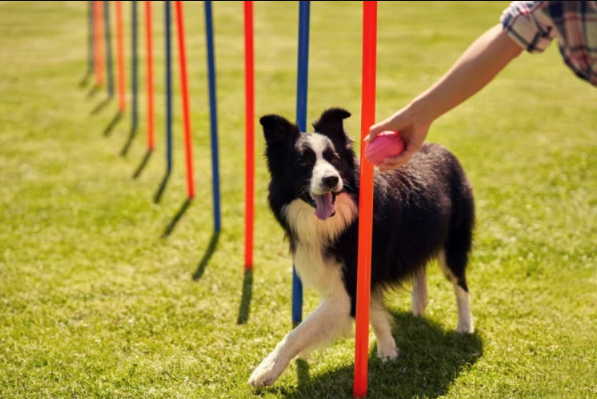
Add Mental Enrichment
Training isn’t just about obedience.
Mental stimulation is just as important for your dog’s overall well-being.
Activities like scent games, food puzzles, treasure hunts, and hide-and-seek encourage your dog to use their natural instincts while strengthening your bond. Nose work, in particular, is an excellent confidence-building activity for dogs of all ages.
Be Patient With Progress
Every dog learns at a different pace.
Some may remember their training almost immediately, while others need extra time to rebuild confidence and consistency.
Avoid becoming frustrated if your dog forgets commands or seems distracted at first. Celebrate small improvements and remember that progress often happens gradually.
Consider a Training Class
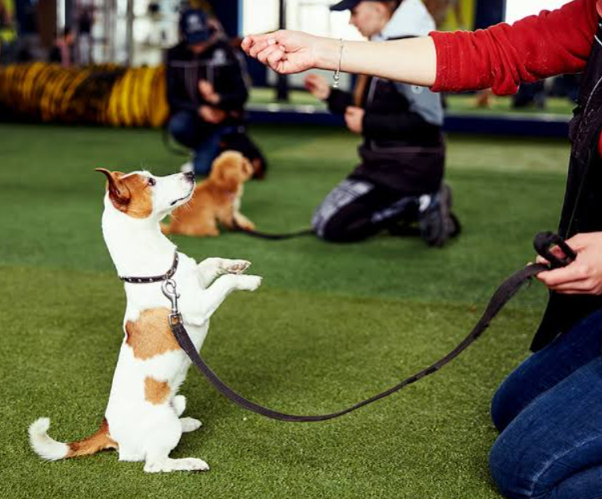
If you’re struggling to regain momentum, joining a local training class can be a great option.
Classes provide structured learning, controlled distractions, and guidance from experienced instructors. They’re also an excellent way to strengthen communication between you and your dog while reinforcing positive habits. Dogs of all ages—including rescue dogs and older dogs—can continue learning new skills.
The Journey Starts Again
Getting back into training doesn’t require perfection.
It simply requires consistency.
By revisiting the basics, keeping sessions fun, and rewarding your dog’s successes, you’ll rebuild confidence together one step at a time.
Training isn’t just about teaching commands—it’s about strengthening the bond you share. And whether your dog is a playful puppy or a seasoned senior, every training session is another opportunity to learn, grow, and enjoy time together.