Every dog owner wants the same thing—a happy, healthy companion who enjoys a long and active life.
While regular exercise, routine vet visits, and plenty of love all play an important role, one factor has an even bigger impact than many people realize: nutrition.
A balanced diet provides the fuel your dog needs to grow, stay active, maintain a healthy weight, and support everything from their immune system to their shiny coat. But with so many food choices available today, knowing what your dog actually needs can feel overwhelming.
The good news is that understanding the basics can make choosing the right diet much easier.
Why a Balanced Diet Matters
Food does far more than satisfy your dog’s appetite.
Every meal supplies essential nutrients that help build muscles, repair tissues, support healthy organs, strengthen bones, and provide energy for daily activities. A poor diet, on the other hand, can increase the risk of obesity, nutritional deficiencies, digestive problems, and chronic health conditions over time.
Feeding a complete and balanced diet is one of the simplest ways to support your dog’s long-term health.
The Essential Nutrients Every Dog Needs
A healthy canine diet contains several key nutrients that work together to keep the body functioning properly.
Water
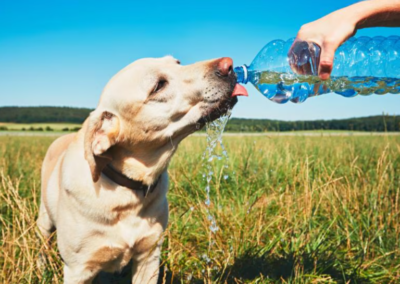
Water is the most important nutrient of all.
It helps regulate body temperature, transports nutrients throughout the body, supports digestion, and keeps organs functioning properly. Dogs should always have access to fresh, clean drinking water throughout the day.
Protein
Protein is essential for building and repairing muscles, skin, and other tissues. It also supports the immune system, hormone production, and healthy growth.
High-quality protein is especially important for puppies, active dogs, and dogs recovering from illness or injury.
Healthy Fats
Although fats sometimes get a bad reputation, they’re a vital source of energy for dogs.
Healthy fats provide essential fatty acids that support brain function, healthy skin, a glossy coat, and the absorption of certain vitamins.
Carbohydrates
Carbohydrates give dogs an additional source of energy, particularly for active lifestyles.
Ingredients such as rice, oats, wheat, and other grains can provide energy while also contributing fiber that supports healthy digestion.
Vitamins and Minerals
Vitamins and minerals help regulate hundreds of processes throughout the body.
Calcium and phosphorus strengthen bones and teeth, while minerals like iron, magnesium, and potassium support healthy muscles, nerves, and circulation. Vitamins A, D, E, and B-complex vitamins contribute to vision, immunity, metabolism, and skin health.
Nutrition Changes Throughout Life
A puppy’s nutritional needs are very different from those of an adult or senior dog.
Growing puppies require extra calories, protein, healthy fats, and carefully balanced minerals to support rapid development. Large-breed puppies, in particular, need diets formulated to promote steady growth and healthy joints.
Adult dogs generally need balanced nutrition that helps maintain an ideal weight while supporting their activity level.
Senior dogs may benefit from diets that are easier to digest, adjusted in calories, and tailored to support muscle mass and joint health as they age.
Choose Complete and Balanced Dog Food
When selecting commercial food, look for products labeled as complete and balanced.
This means the food has been formulated to provide all the essential nutrients your dog needs for their specific life stage without requiring additional supplements in most cases.
Always choose a food appropriate for your dog’s:
- Age
- Breed size
- Activity level
- Health conditions
- Reproductive status (if applicable)
If your veterinarian recommends a therapeutic diet, follow their guidance closely.
Watch Portions Carefully
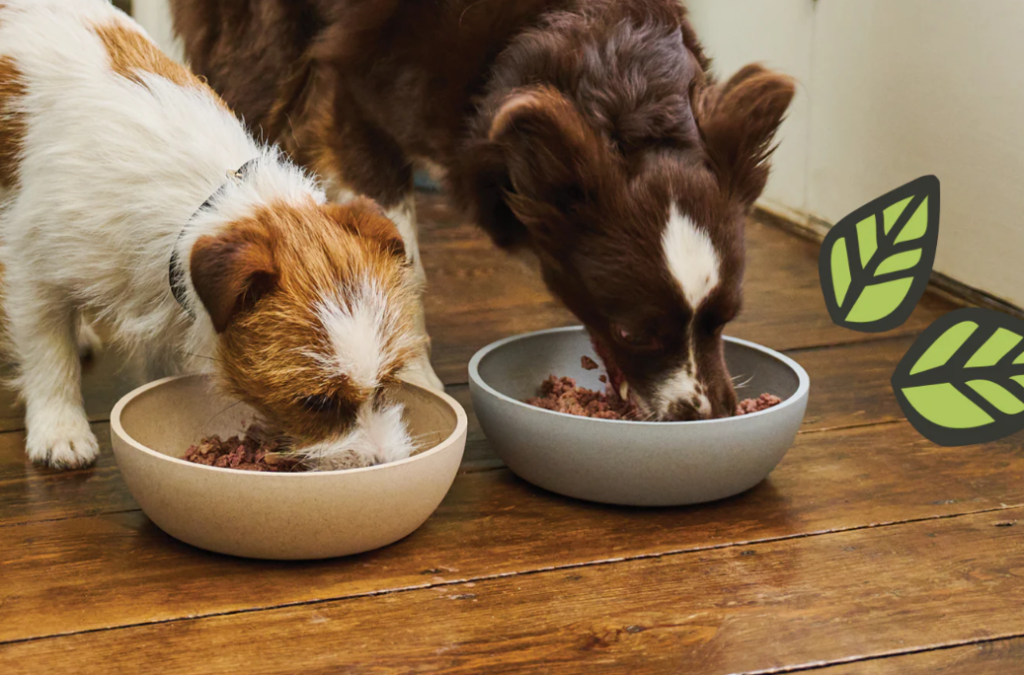
Even healthy food can become unhealthy if your dog eats too much.
Overfeeding is one of the leading causes of obesity in dogs, which increases the risk of arthritis, diabetes, heart disease, and other serious health problems.
Use the feeding guide on your dog’s food as a starting point, then adjust portions based on your dog’s body condition and your veterinarian’s recommendations. Treats should make up only a small portion of your dog’s daily calorie intake.
Be Careful With Homemade and Raw Diets
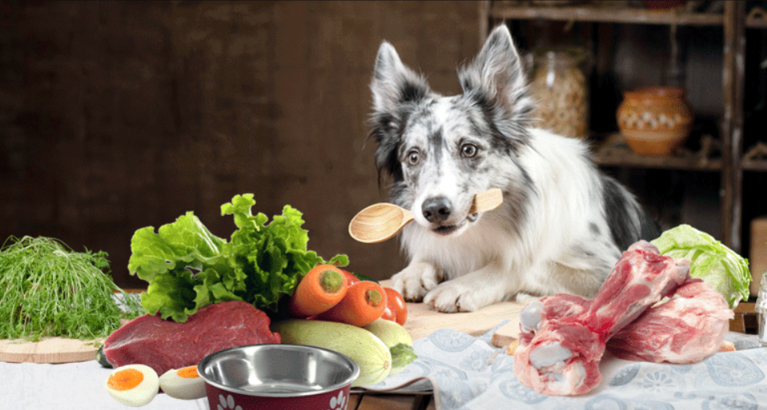
Some owners prefer preparing homemade meals or feeding raw diets. While these approaches can work in certain situations, they require careful planning to ensure dogs receive the correct balance of nutrients.
Improperly balanced homemade diets may lead to vitamin and mineral deficiencies, while raw diets can present additional risks, including bacterial contamination and nutritional imbalances. If you’re considering either option, consult your veterinarian or a board-certified veterinary nutritionist first.
Healthy Feeding Habits Matter Too
Good nutrition isn’t just about what’s in the bowl—it’s also about how you feed your dog.
Maintaining consistent mealtimes, avoiding excessive table scraps, monitoring body weight, and providing appropriate exercise all contribute to a healthier lifestyle. Healthy feeding habits can help prevent obesity and support your dog’s overall well-being.
A Healthy Life Starts at Mealtime
Every meal is an opportunity to invest in your dog’s future.
By providing fresh water, choosing a complete and balanced diet, feeding appropriate portions, and adjusting nutrition as your dog grows, you’ll help support a healthier, happier life.
After all, the best adventures begin with a dog that’s properly nourished—and every wagging tail starts with what’s in the food bowl.